Best Books About Traditional Indonesian Culture You Should Own is your gateway to exploring the rich tapestry of Indonesia's heritage. These books dive deep into the significance of traditional culture, showcasing the customs, rituals, and beliefs that define this vibrant nation. As globalization influences the landscape, understanding these traditional elements becomes increasingly important, making these recommended reads essential for anyone looking to appreciate the essence of Indonesian culture.
From the colorful festivals that bring communities together to the unique artistic expressions found in various regions, each book presents a unique lens through which to view this diverse culture. With insights from knowledgeable authors and enthralling narratives, these works illuminate how traditional practices are interwoven with modern Indonesian identity, providing a comprehensive understanding of a remarkable heritage.
Introduction to Traditional Indonesian Culture
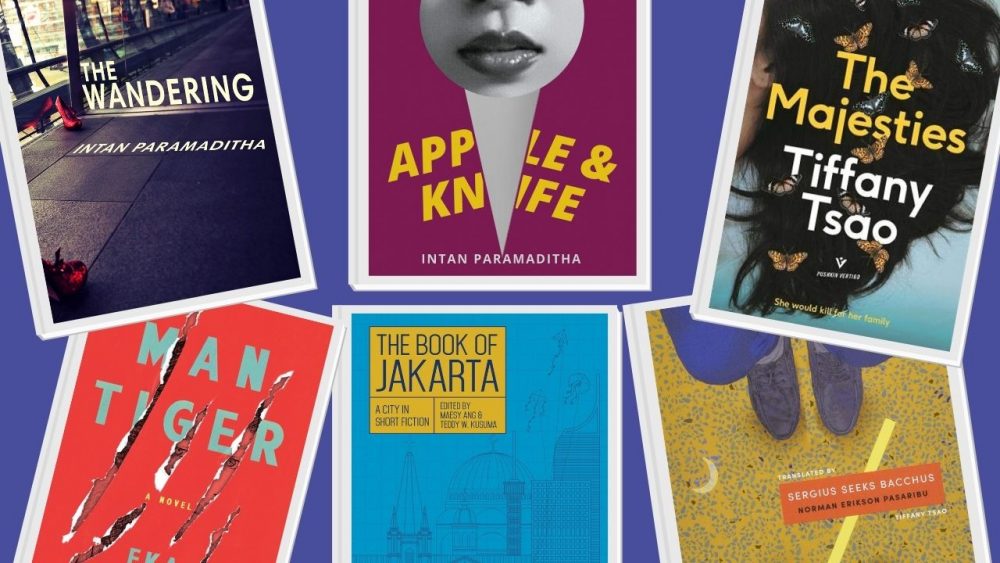
Traditional Indonesian culture is a rich tapestry woven from the diverse threads of its many ethnic groups, languages, and customs. This culture is significant not only for its artistic and aesthetic expressions but also for its deep-rooted values that shape the identity of the Indonesian people. Recognizing and owning books that showcase these cultural elements can enhance your appreciation of Indonesia's heritage, making it a vital addition to your personal library.Indonesia is home to over 17,000 islands, each boasting unique traditions, beliefs, and practices.
Customs such as Batik, a traditional cloth-making technique, and wayang kulit, the intricate art of shadow puppetry, highlight the importance of storytelling and artistry in Indonesian society. Rituals like the Balinese "Ngaben" (cremation ceremony) and the Javanese "Sekaten" festival, which celebrates the birth of the Prophet Muhammad, serve to reinforce community bonds and spiritual beliefs. However, globalization poses challenges to these traditions, introducing foreign cultures and ideologies that may overshadow local practices.
It is essential to engage with literature that reflects these dynamic interactions, fostering a deeper understanding of how traditional culture adapts and thrives in a modern world.
Key Elements of Indonesian Culture
Understanding the fundamental aspects of Indonesian culture can provide insight into the country's identity. Here are some key elements that define traditional Indonesian culture:
Customs: Various rituals and social practices, such as wedding ceremonies that differ from one region to another, showcase the diversity in customs. For example, the Sundanese "Resepsi" wedding is characterized by its colorful attire and elaborate feasting traditions.
Rituals: Spiritual ceremonies are integral to daily life in Indonesian communities. Rituals like rice planting ceremonies highlight the connection to agriculture and nature, reinforcing the respect for the environment.
Beliefs: Spirituality plays a crucial role, blending indigenous animistic beliefs with major religions such as Islam, Christianity, and Hinduism. An example is the Balinese Hindu practice that incorporates rituals honoring deities while respecting ancestral spirits.
"Indonesia’s traditional culture is not just a relic of the past; it is a living entity that evolves while retaining its core values."
Recommended Books on Traditional Indonesian Culture: Best Books About Traditional Indonesian Culture You Should Own
The richness of Indonesian culture is reflected in its literature, which offers profound insights into its traditions, art, and societal norms. These recommended books serve as gateways to understanding the diverse cultural tapestry of Indonesia, each authored by experts committed to preserving and sharing this heritage. Understanding the significance of Indonesian culture requires delving into the writings of those who have dedicated their lives to studying its myriad aspects.
Below is a curated list of essential books that illuminate the various dimensions of traditional Indonesian culture, along with insights into the authors' backgrounds and contributions to the field of Indonesian studies.
Essential Books on Traditional Indonesian Culture
The following titles are indispensable for anyone looking to deepen their understanding of Indonesia's cultural landscape. Each book captures unique facets of traditional practices, beliefs, and artistic expressions.
Indonesian Folktales: A Collection by Margaret Read MacDonald
"Folktales are the heart of a culture, encapsulating its values, morals, and historical wisdom."
This collection compiles timeless folktales from various Indonesian islands, showcasing the diversity of narratives and characters that reflect the local culture and communal wisdom. Margaret Read MacDonald, an esteemed storyteller and author, has dedicated much of her career to exploring and preserving folklore, making her an authority in this field.
Batik: Fabled Cloth of Indonesia by Michael O. Leimann
"Batik is not just a fabric; it is a symbol of identity and heritage woven into every thread."
Leimann's work delves into the art of batik, a traditional Indonesian fabric dyeing technique recognized by UNESCO as an Intangible Cultural Heritage. The book discusses the historical evolution of batik, its significance in Indonesian society, and its role as a medium of artistic expression. Michael O. Leimann is a cultural historian who specializes in textile arts and their socio-cultural implications.
Indonesian Dance in Transition by Eko Supriyanto
"Dance is a living tradition, continuously evolving while respecting its roots."
This book explores the dynamic evolution of traditional Indonesian dance forms, emphasizing the balance between tradition and modernity. Eko Supriyanto, a prominent choreographer and scholar, offers an insider’s perspective on how dance reflects social changes and cultural identities in contemporary Indonesia.
The Culture of Indonesia: A Comprehensive Overview by Robert W. Hefner
"Understanding Indonesia requires recognizing the intricate interplay of culture, politics, and religion."
Hefner presents a thorough examination of Indonesian culture through the lenses of religion, politics, and social practices. As a leading anthropologist specializing in Southeast Asia, his research provides valuable insights into the complexities that shape Indonesian identity.
Indonesian Wayang Kulit: The Shadow Play by Andrew S. C. Perng
"Wayang Kulit is more than entertainment; it is a profound expression of philosophy and morality."
Perng's exploration of traditional shadow puppetry articulates its cultural significance and its role in storytelling. Through illustrations and detailed explanations, he captures the artistry of wayang kulit and its importance in preserving moral lessons and cultural narratives. Andrew S. C. Perng is a cultural practitioner and scholar deeply invested in the preservation of traditional arts.
Themes Explored in the Literature
Books about traditional Indonesian culture are rich with themes that resonate deeply with the values and beliefs of its diverse ethnic groups. These literary works often explore spiritual dimensions, the significance of community, and the vibrant expressions of art, painting a complex picture of Indonesia's cultural tapestry. Through these themes, readers can gain insight into the soul of a nation defined by its multitude of traditions and practices.The exploration of spirituality in Indonesian literature reflects the profound connection many communities have with their beliefs, often intertwining elements of animism, Islam, and local customs.
This spiritual landscape serves as a backdrop for narratives that highlight the search for meaning and the transcendent experiences of individuals. The theme of community emerges prominently, showcasing the importance of collective identity and the bonds that unite people across Indonesia's myriad islands and cultures. Lastly, artistic expressions found within these works reveal the influence of traditional arts, such as batik, dance, and music, in shaping societal norms and personal identities.
Spirituality in Indonesian Literature
In traditional Indonesian literature, spirituality is often depicted as a guiding force, shaping the lives of individuals and communities alike. The portrayal of rituals, beliefs, and the connection with nature highlights how spirituality influences daily life. For instance, the practice of offering prayers to spirits before significant events not only reflects reverence but also showcases cultural heritage.
The Role of Community
Community plays a vital role in Indonesian storytelling, emphasizing the interconnectedness of individuals within larger social structures. Literature often illustrates communal gatherings, celebrations, and collective decision-making processes, providing a rich context for understanding how cultural values are upheld.
Artistic Expressions
The literature also celebrates the artistic diversity present within Indonesian culture. Through vivid descriptions of traditional art forms such as wayang kulit (shadow puppetry) and gamelan music, readers are transported into the heart of Indonesia's artistic traditions. These expressions are not merely for entertainment but serve as vehicles for storytelling, preserving history, and imparting moral lessons.
Portrayal of Traditional Practices, Best Books About Traditional Indonesian Culture You Should Own
The portrayal of traditional practices in literature serves as a testament to Indonesia's cultural richness. Rituals, ceremonies, and everyday customs are intricately woven into narratives, providing readers with a glimpse of the country's diverse heritage. From the vibrant festivities of Balinese ceremonies to the intricate weaving techniques of the Sasak people, literature encapsulates the essence of what it means to belong to a particular ethnic group, celebrating both uniqueness and shared values among the many communities of Indonesia.
Cultural Practices Highlighted in the Books
Indonesia's rich tapestry of culture is woven through its myriad festivals, ceremonies, and traditional crafts that reflect its diverse ethnicities and histories. The recommended books delve deep into these practices, offering a lens through which readers can appreciate the vibrancy of Indonesian life. These cultural practices not only define community identities but also serve as vital expressions of heritage passed down through generations.The literature captures the essence of these cultural observances, showcasing how they unite people and celebrate historical narratives.
From elaborate rituals that mark life transitions to the intricate artistry found in traditional crafts, these practices reveal the profound connections between the people and their environment. Below, we explore specific cultural practices highlighted in the literature and present a comparative overview of how these practices vary across different Indonesian regions.
Festivals and Ceremonies Across Regions
Festivals and ceremonies are integral to Indonesian culture, often reflecting the values and beliefs held by various communities. The recommended books provide vivid descriptions of these events, portraying not only the rituals involved but also the social and cultural significance behind them. Below is a table comparing some notable cultural practices from various regions of Indonesia:
Region Festival/Ceremony Description Cultural Significance
Bali Nyepi Day of Silence, marked by fasting and meditation. Reflects the Balinese Hindu belief in self-reflection and cleansing.
Sumatra Tabuik A vibrant ceremony honoring the martyrdom of Hussein. Demonstrates the blend of Islamic influence and local traditions.
Java Sekaten A celebration featuring traditional music and market festivities. Commemorates the birth of the Prophet Muhammad, integrating cultural heritage.
Sulawesi Rambu Solo' A death ceremony characterized by elaborate rituals and feasting. Signifies respect for ancestors and the celebration of life.
NTT (East Nusa Tenggara) Pasola A traditional war ceremony involving horseback riding and spear throwing. Symbolizes the community's strength and connection to agricultural cycles.
The literature vividly illustrates these cultural practices, often incorporating personal narratives and reflections that enhance the reader's understanding. For instance, in the book "Bali: Sekala and Niskala," the author describes the Nyepi celebration as a harmonious blend of spirituality and community, emphasizing its role in Balinese life. Through these narratives, readers can not only visualize the events but also grasp the deeper meanings behind them, ensuring a rich appreciation of Indonesia's cultural diversity.
The texts serve as invaluable resources for anyone looking to explore the vibrant traditions that shape the Indonesian archipelago.
Influence of Traditional Culture on Modern Indonesian Society
Traditional Indonesian culture plays a pivotal role in shaping the contemporary identity of Indonesia, weaving together a rich tapestry of history, beliefs, and practices that continue to resonate in daily life. The blending of ancient customs with modern influences creates a unique societal framework that reflects both pride in heritage and innovation in cultural expression.The interplay between tradition and modernity is vividly illustrated in the literature recommended for anyone interested in understanding Indonesian culture.
These works highlight how traditional values serve as a foundation upon which modern Indonesian society is built, showcasing a dynamic relationship that both enriches and challenges contemporary life. Authors explore various facets of this interaction, emphasizing the importance of preserving cultural heritage amid globalization's encroachment.
Preservation of Cultural Heritage
Efforts to preserve Indonesia's cultural heritage are paramount in the face of rapid modernization. These initiatives often reflect the community's commitment to maintaining their unique identity while adapting to new realities. The following key strategies are highlighted in the literature:
Documentation of Traditions: Many authors emphasize the importance of recording oral histories, rituals, and traditional practices to ensure they are not lost to time. This documentation serves as a resource for future generations.
Community Engagement: Local communities are actively involved in reviving traditional arts, crafts, and performances. Festivals celebrating cultural heritage bring people together, fostering a sense of belonging and identity.
Integration in Education: Schools are increasingly incorporating lessons on traditional culture, helping young people recognize the value of their heritage while equipping them to thrive in a modern world.
Promotion of Cultural Tourism: Highlighting traditional practices through tourism not only provides economic benefits but also raises awareness and appreciation for Indonesia's diverse cultures among visitors.
"The beauty of Indonesian culture lies in its ability to evolve while remaining deeply rooted in tradition."
By examining the influence of traditional culture on modern Indonesian society, we can better appreciate the delicate balance that exists between honoring the past and embracing the future. As showcased in these recommended books, this cultural dialogue enriches the national identity and fosters a vibrant societal landscape.
Visual and Artistic Representations in Literature
Traditional Indonesian literature is rich with visual and artistic representations that reflect the diverse cultural heritage of the archipelago. Through intricate storytelling, these literary works encapsulate the essence of various traditional art forms, providing readers with a vivid understanding of Indonesia's cultural landscape. The intersection of visual art and literature in these works serves not only as a medium of expression but also as a means of preserving and transmitting cultural values across generations.In recommended literature about traditional Indonesian culture, various art forms are highlighted, showcasing how these visual elements enhance the narrative and deepen the reader's connection to the stories.
Below are key art styles that feature prominently in these works, along with their contributions to cultural storytelling.
Highlighted Visual Art Styles
The following art forms are integral to the storytelling tradition in Indonesian literature, each adding a unique layer of meaning and cultural significance:
Batik: Batik is a traditional textile art known for its intricate patterns and vibrant colors, often symbolizing specific narratives or values. In literature, batik motifs can signify identity, heritage, and social status, enriching the narrative with visual context.
Wayang Kulit: This form of shadow puppetry employs intricately carved leather puppets to tell epic tales, often based on ancient Hindu and Javanese legends. Literature that references wayang kulit often evokes the storytelling tradition, where the puppets become metaphors for moral lessons and cultural teachings.
Songket: A luxurious woven fabric, often adorned with gold or silver thread, songket represents the pinnacle of craftsmanship. In literary discussions, songket symbolizes wealth and tradition, offering insights into social hierarchies and cultural practices.
Topeng: Masks used in traditional dances, topeng masks are rich in symbolism and artistry. The literature often employs topeng to explore themes of identity and transformation, mirroring characters' journeys and conflicts.
Kriya (Crafts): Various crafts, including wood carving and pottery, are depicted in literature to represent community practices and the connection between people and their environment. These crafts tell stories of daily life and cultural continuity.
The representation of these traditional art forms in literature is vital for several reasons. Each art style not only embellishes the narrative but also serves as a vehicle for cultural expression and preservation. The visual aspects help to illustrate complex themes and morals, making the stories more relatable and engaging for readers. Furthermore, they provide a gateway for understanding the significance of these art forms in contemporary society, allowing modern readers to appreciate their historical context and ongoing relevance.
"Art forms like batik and wayang kulit are not merely decorative; they are essential threads in the fabric of Indonesian storytelling that bind together history, culture, and identity."
Personal Reflections on Reading Indonesian Culture
Reading about traditional Indonesian culture offers a unique portal into a world rich with history, spirituality, and social intricacies. As one immerses in the literature, the vibrant narratives not only showcase the diverse cultural landscape of Indonesia but also ignite a deeper understanding of its people and their way of life. Every page turns into a medium of exploration, revealing the values, beliefs, and practices that shape Indonesian identity.
The emotional resonance captured in such stories often lingers long after the final chapter, prompting readers to ponder the essence of cultural heritage and its relevance in today's world.
Literature serves as a bridge that connects readers to the nuances of Indonesian culture, enhancing appreciation through vivid storytelling and authentic representations. Engaging with these texts fosters empathy and a greater appreciation for the complexities of a society that may seem distant yet is deeply relatable. These stories encourage readers to reflect on their own cultural frameworks, inviting a dialogue between the old and the new and showcasing how traditions can influence modern life.
This transformative journey through words enables a thorough examination of cultural themes, encouraging interpretations that might vary from reader to reader.
Insights from Engaging with Indonesian Literary Themes
Exploring the themes presented in Indonesian literature reveals profound insights about the country's cultural fabric. Readers often find themselves contemplating their own experiences in relation to the rich narratives that unfold. Notable themes include community, spirituality, resilience, and the harmony between nature and humanity. The following points illustrate how these themes resonate with readers:
The sense of community is profoundly portrayed, depicting relationships that extend beyond family, representing the interconnectedness of society.
Spirituality, as depicted in various texts, emphasizes the importance of beliefs and rituals that guide daily life, prompting readers to reflect on their own spiritual journeys.
Resilience in the face of adversity is a recurring motif, inspiring readers to draw parallels with their own challenges and triumphs.
The harmonious relationship between nature and humanity encourages appreciation of environmental stewardship, prompting readers to consider their role in the world.
Through these insights, literature not only enhances one's understanding of Indonesian culture but also serves as a mirror reflecting personal values and experiences, fostering a deeper connection to the narrative threads that bind humanity together. Each book acts as an invitation to delve into the intricate tapestry of cultural practices while encouraging readers to interpret and engage with these themes uniquely.
Questions Often Asked
What are the core themes in books about Indonesian culture?
Core themes include spirituality, community, and art, reflecting Indonesia's diverse ethnic backgrounds and traditions.
Why is it essential to explore traditional Indonesian culture?
Exploring traditional culture helps in understanding the complexities of Indonesian identity and the impact of globalization on these age-old practices.
How can literature enhance my appreciation of Indonesian culture?
Literature provides insights into cultural practices, rituals, and the historical context, deepening your understanding and appreciation of Indonesian traditions.
Are there specific cultural practices highlighted in these books?
Yes, the books often discuss festivals, ceremonies, and traditional crafts unique to various Indonesian regions.
Who are the authors of these recommended books?
The authors are experts in Indonesian studies, bringing unique perspectives and expertise to their exploration of the culture.