Essential Study Materials for Exploring Traditional Puppet Art invites you to embark on an enchanting journey through the vibrant world of puppetry. Discover the rich history, diverse forms, and cultural significance of this timeless art form that has captivated audiences across generations. From marionettes to shadow puppets, each style tells a unique story reflective of its cultural roots.
This exploration delves deep into the essential tools and techniques for puppet creation, offering insights into the materials that bring these characters to life. With a blend of artistry and craftsmanship, you’ll learn not only how to make puppets but also how to perform with them, creating engaging narratives that resonate with viewers.
Introduction to Traditional Puppet Art
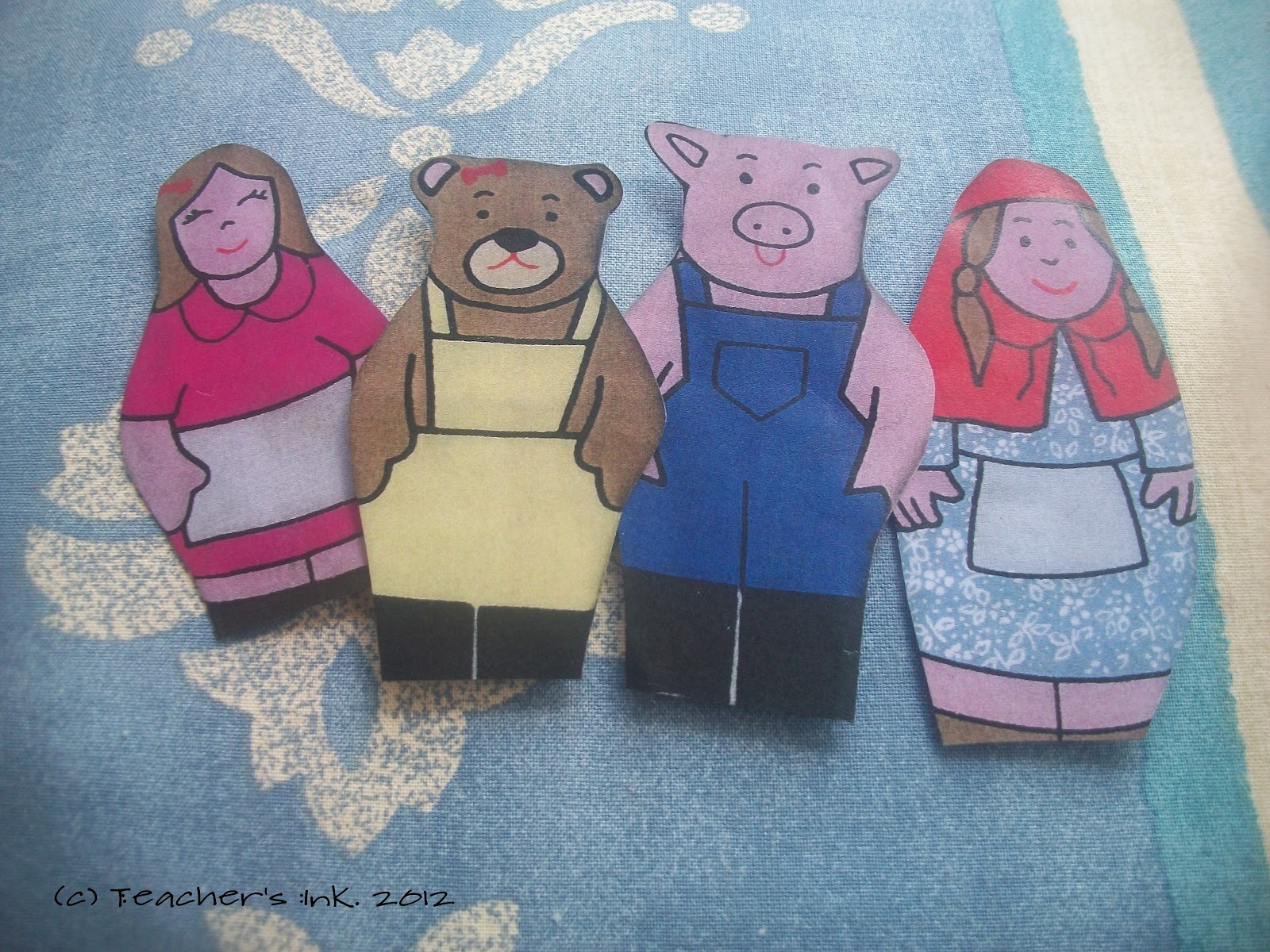
Traditional puppet art holds a rich history that spans across various cultures and continents, serving as a medium for storytelling, entertainment, and cultural expression. Originating from ancient rituals and folklore, puppetry has evolved into a diverse art form that captivates audiences of all ages. From the vibrant shadow puppets of Indonesia to the intricate marionettes of Europe, each style reflects the unique cultural narratives and social contexts from which they arise, making puppetry an important aspect of global heritage.Puppet forms vary widely, each embodying specific cultural significance and artistic techniques.
Common types include shadow puppets, marionettes, hand puppets, and table-top puppets. For instance, shadow puppetry, prevalent in countries like Turkey and India, utilizes backlit figures to create engaging visual tales, while marionettes, often seen in Western traditions, are controlled by strings to perform complex movements. The evolution of these puppet forms can be traced through historical events, social changes, and artistic innovations, showcasing how puppetry is not just a performance art but also a reflection of cultural identities and societal values across different regions.
Historical Significance of Puppet Art
The historical roots of puppet art can be traced back thousands of years, with evidence of puppetry found in ancient civilizations such as Greece, China, and India. Each culture has contributed to the evolution of this art form, adapting it to express their own stories and traditions. Notably, in ancient Greece, puppetry was closely linked to theater and often used to depict mythological tales.
In contrast, Chinese puppetry, with its intricate designs and elaborate performances, has played a vital role in traditional festivals and rituals, celebrating community values and folklore.The importance of these puppets transcends mere entertainment. They serve as a medium for conveying moral lessons, cultural heritage, and societal commentary. For example, Indonesian Wayang Kulit shadow puppets often portray tales from the Ramayana and Mahabharata, illustrating ancient wisdom while engaging the audience in moral reflections.
This rich tapestry of historical significance highlights how puppet art has continually adapted, reflecting changes in society while remaining a vital form of expression.
Types of Puppet Forms and Their Cultural Relevance
Various puppet forms have developed, each carrying distinct cultural meanings and performance styles. Here are some prominent puppet types, along with their cultural significance:
Shadow Puppets: Popular in Indonesia, Turkey, and India, these silhouettes are used in storytelling and religious ceremonies, often highlighting cultural myths and historical narratives.
Marionettes: Found in Europe and America, marionettes are often used in theatrical performances to convey complex characters and elaborate stories, showcasing intricate craftsmanship.
Hand Puppets: Common in children’s entertainment and educational contexts, these puppets are versatile and interactive, fostering engagement and creativity among young audiences.
Table-top Puppets: Often used in folk performances, they are manipulated from below a stage, presenting stories that reflect local folklore and community values.
Each of these puppet forms is unique in its execution and cultural context, providing a window into the history and values of the societies from which they originate. The craftsmanship involved in creating these puppets also speaks to the artistic skill passed down through generations, highlighting the importance of preservation and appreciation of traditional arts.
The Evolution of Puppet Art Across Cultures
Puppet art has undergone significant transformations, influenced by technological advancements and cultural exchanges. From its origins in ancient rituals to its modern-day performances, puppetry has adapted to resonate with contemporary audiences. The introduction of new materials, such as plastic and synthetic fabrics, alongside traditional resources like wood and cloth, has expanded the creative possibilities for puppeteers.In addition, globalization has encouraged the fusion of various puppet forms, resulting in innovative performances that blend traditions from different cultures.
For instance, the integration of modern storytelling techniques with traditional puppetry has led to a revival of interest among younger generations, ensuring the continuity of this art form. Communities around the world are now embracing puppetry not only as a means of artistic expression but also as a tool for education, social change, and cultural preservation.
"The evolution of puppet art is a testament to its enduring appeal, adapting to the changing tides of society while remaining a powerful medium for storytelling and cultural reflection."
Essential Tools and Materials for Puppet Creation
Creating puppets requires a variety of tools and materials, each playing a crucial role in the design and functionality of your puppet. Understanding the essentials can significantly enhance your craftsmanship and ensure a successful puppet-making experience. This section will guide you through the basic tools needed, the best materials to use, and important safety measures to consider.
Basic Tools for Puppet Making
A well-equipped puppet maker's toolkit is fundamental to bringing ideas to life. Essential tools include:
Scissors: Sharp and precise scissors are vital for cutting fabric and other materials.
Needles and Thread: Sewing needles and strong thread help to assemble and decorate puppets.
Glue Gun: A glue gun provides a quick-drying adhesive for joining materials securely.
Craft Knife: Useful for intricate cutting, especially with heavier materials like wood or foam.
Ruler and Measuring Tape: Accurate measurement tools are necessary for consistent dimensions.
Pens and Markers: For sketching designs and adding details to your puppet.
Materials Suitable for Crafting Puppets
Choosing the right materials is crucial in puppetry, as they determine the puppet's appearance, texture, and durability. Common materials include:
Fabrics: Felt, cotton, and fleece are popular for their ease of use and vibrant colors. Felt is particularly favored for its no-fray edges.
Wood: Pine and plywood are excellent choices for constructing puppet bodies due to their sturdiness.
Foam: Lightweight and versatile, foam can be used for heads and bodies, allowing for a smooth finish.
Paints: Non-toxic acrylic paints are ideal for adding colorful details and personalizing your puppets.
Paper Mache: This versatile material is great for creating customized shapes and structures.
Safety Measures and Best Practices
Working with various tools and materials necessitates adhering to safety protocols to prevent injuries and ensure a safe crafting environment. Consider the following best practices:
Use Protective Gear: Always wear safety goggles and a mask when cutting or sanding materials to protect your eyes and lungs.
Keep Tools Organized: Store tools in a designated area to avoid accidents and maintain an efficient workspace.
Handle Tools with Care: Always cut away from your body and ensure tools are sharp to minimize effort and maximize control.
Supervise Young Crafters: When children are involved, ensure an adult supervises their use of tools and materials.
Maintain Clean Work Area: Regularly clean up scraps and spills to prevent slips and ensure a tidy workspace.
"Safety is not just a practice; it's a mindset that protects your creativity."
Techniques for Puppet Construction
Creating puppets is a blend of art and engineering, where imaginative designs meet practical execution. Understanding the techniques involved in puppet construction is essential for any aspiring puppeteer. Through this exploration, you will learn the step-by-step methods for crafting various puppet types, including marionettes and shadow puppets. The construction of puppets requires careful consideration of balance, movement, and mechanisms. Each element plays a critical role in ensuring the puppet performs fluidly and effectively engages the audience.
Below, we delve into specific methods for constructing puppets, emphasizing the importance of these design principles.
Marionette Construction Techniques
To create a marionette, follow these detailed steps:
1. Design the Puppet
Sketch a detailed design that includes the puppet’s head, body, and limbs. Select materials that will allow for flexibility and durability, such as lightweight wood or strong cardboard.
2. Cut Out Puppet Parts
Using your design, carefully cut out the pieces for the head, arms, legs, and torso. Ensure that the proportions are appropriate for the size of the marionette.
3. Assemble the Body
Attach the torso to the limbs using string or thin rods. Secure the joints to allow for movement while maintaining a professional appearance.
4. Create the Control Mechanism
For marionettes, a control bar with strings is essential. Attach strings to the appropriate points on the puppet’s body, ensuring they are equally balanced. This setup facilitates fluid movement.
5. Balance and Test Movement
Once assembled, test the puppet for balance. Adjust the lengths of the strings if necessary to achieve a natural movement.
6. Add Finishing Touches
Paint and decorate your marionette to bring it to life. Use acrylic paints for durability, and consider adding fabric for clothing to enhance its character.
“The balance and movement of a marionette are crucial for its performance; mismatched strings can lead to a lifeless puppet.”
Shadow Puppet Construction Techniques
Shadow puppets offer a different approach, relying on light and silhouette. Here’s how to create them:
1. Select Materials
Use materials such as stiff paper, cardboard, or thin plastic sheets. Opt for black or dark colors to ensure visibility against light.
2. Design and Cut the Silhouettes
Create simple yet expressive shapes that define your characters. Ensure the cutouts are intricate enough to convey emotion but not too detailed to lose form in shadow.
3. Attach to Sticks
Secure each shadow puppet to a stick or rod. Use strong adhesive or tape to prevent detachment during performances.
4. Create the Light Source
Set up a light source that casts shadows on a screen. Experiment with different angles and distances to achieve the desired effect.
5. Practice Movement
Incorporate smooth motions as you handle the puppets to create a captivating performance.
“Effective shadow puppetry relies on the interplay between light and movement to tell a story.”
Incorporating Mechanisms in Puppetry
The integration of mechanisms such as pulleys and rods can dramatically enhance the performance of your puppets. Understanding how to incorporate these components is essential for advanced puppetry:
Pulleys
For more complex puppets, consider adding a pulley system. This allows for more nuanced movements. Attach the pulley to the puppet’s limbs, allowing strings to run through the pulleys for smooth motion.
Rods
Use rods to manipulate puppets from below, allowing for greater control. Attaching rods to the puppet’s body at strategic points enables varied movement while maintaining a stable form.
Counterweights
Adding counterweights can help balance heavier puppets, ensuring they remain upright during performance. This is particularly important for larger marionettes.By mastering these techniques and mechanisms, you will elevate your puppetry skills and create enchanting performances that captivate audiences.
Puppetry Performance Skills
Mastering puppetry performance skills is essential for bringing the art of puppetry to life. This segment delves into the foundations of effective performance techniques that enhance the overall impact of puppet shows. By focusing on voice modulation, character movement, and storytelling, puppeteers can capture the hearts and minds of their audiences, transforming mere objects into living characters that convey rich narratives.
Voice Modulation Techniques
Voice modulation is a critical skill in puppetry that enriches character depth and engagement. It involves varying pitch, tone, and pace to reflect the personality and emotions of each puppet. Here are effective methods to develop this essential skill:
Practice vocal exercises that enhance clarity and flexibility, such as tongue twisters and scales.
Experiment with different vocal personas for each puppet, ensuring that they resonate with the puppet's characteristics.
Record practice sessions to analyze and refine vocal delivery, identifying areas for improvement.
Character Movement and Physicality
The movement of puppets is equally vital in conveying emotions and intentions. Effective physicality breathes life into a puppet's character. To master this aspect, consider the following strategies:
Study body language and gestures, observing how emotions are communicated through physical movement.
Rehearse specific movements that match the personality traits of each puppet, such as slow, deliberate movements for a wise character or quick, erratic motions for a mischievous one.
Incorporate mirror exercises to synchronize movement and voice, ensuring a cohesive performance.
Integrating Storytelling into Puppet Shows
Storytelling is the backbone of a captivating puppet performance. A well-structured narrative weaves together characters and conflicts, drawing the audience into the world of the puppets. Consider the following techniques to enhance storytelling:
Create an Artikel of the story, highlighting key events and character arcs to maintain focus during performances.
Utilize props and backdrops that complement the narrative, providing context and setting for the audience.
Encourage audience participation through interactive storytelling, inviting them to influence character decisions or contribute to plot twists.
Rehearsing and Refining Puppet Performances
Rehearsal is crucial for a polished puppetry performance. It allows performers to refine their skills and ensure seamless execution during live shows. Here’s a structured approach to effective rehearsals:
Schedule regular practice sessions that cover different aspects of the performance, from voice work to movement.
Invite feedback from fellow puppeteers or mentors, using constructive criticism as a tool for growth.
Conduct full run-throughs in costume and with props to simulate the actual performance environment, building confidence and familiarity.
“Effective rehearsals transform a good performance into a memorable experience that resonates with audiences.”
Cultural Significance of Puppetry
Puppetry is an art form that transcends borders and cultures, weaving together rich narratives that reflect the values, traditions, and beliefs of societies around the globe. Through various forms and styles, puppetry serves as a powerful medium for storytelling, allowing communities to convey their heritage and foster connections within their culture. The cultural significance of puppetry can be seen in its diverse roles in storytelling across different regions, the traditional themes it communicates, and the vital importance of preserving these practices in today’s rapidly changing world.
Role of Puppetry in Storytelling Across Different Cultures
Puppetry has served as a storytelling technique in numerous cultures, each adopting unique styles that resonate with their historical and social contexts. The adaptability of puppetry makes it an effective means to convey complex messages and emotions.
Asia: In countries like Indonesia, Wayang Kulit, or shadow puppetry, illuminates moral lessons through intricate performances that are deeply embedded in community rituals.
Europe: Traditional European puppetry, such as Italy’s Commedia dell'Arte, utilizes character archetypes to explore themes of love, deception, and social critique, often performed in public squares to engage the community.
Africa: In many African cultures, puppetry not only entertains but also educates, conveying ancestral wisdom and social values through vibrant, colorful puppets that represent various societal roles.
Americas: Indigenous puppetry traditions often feature animal characters that represent natural elements, teaching environmental stewardship and cultural history.
Traditional Themes and Messages Conveyed Through Puppetry
Puppetry communicates essential themes that resonate with audiences, reflecting societal values and conflicts. This form of art often tackles issues such as morality, justice, and human emotions.
Morality: Many puppetry traditions emphasize moral lessons, teaching audiences right from wrong through allegorical tales that resonate across generations.
Community and Identity: Cultural narratives conveyed through puppetry often reinforce community bonds and promote a sense of shared identity, helping to maintain the uniqueness of cultural traditions.
Social Commentary: Puppetry frequently serves as a platform for social critique, allowing performers to address contemporary issues in a manner that is accessible and relatable to the audience.
Importance of Preserving Traditional Puppetry Practices
In an age where cultural homogenization threatens traditional practices, preserving puppetry is crucial for maintaining cultural heritage. The significance of traditional puppetry extends beyond mere entertainment; it embodies the history and identity of communities.
Cultural Heritage: Preserving puppetry ensures the survival of unique cultural expressions, safeguarding the narratives and practices that define communities.
Intergenerational Knowledge Transfer: Traditional puppetry serves as a medium for passing down stories and values from one generation to another, fostering a sense of belonging and continuity.
Artistic Innovation: By integrating traditional techniques with contemporary themes, puppetry can adapt to modern audiences while retaining its cultural essence, highlighting the dynamic nature of this art form.
"The art of puppetry is not just a performance; it is a vital thread in the fabric of cultural expression and identity."
Resources for Further Exploration
Exploring traditional puppet art is an enriching experience that goes beyond the basics of puppet creation and performance. To further your understanding and skills in this captivating art form, a variety of resources are available, including insightful literature, engaging documentaries, and interactive courses. Additionally, community-based resources such as workshops and puppet festivals offer invaluable hands-on learning opportunities.The following curated list provides essential resources for puppet enthusiasts at all levels.
These materials will deepen your knowledge and enhance your practical skills in traditional puppet art.
Books, Documentaries, and Online Courses
A wide range of literature and media can illuminate the world of traditional puppetry. Here are some recommended resources:
The Art of Puppetry by John Bell - A comprehensive guide covering techniques, history, and cultural significance.
Puppet: An Illustrated History by Michael D. Smith - This book offers an engaging visual journey through the history of puppetry worldwide.
Puppetry: A Reader in Theatre Practice edited by Angela M. Smith - This compilation of essays explores various aspects of puppetry as a theatrical form.
Documentary: Being a Puppet Maker
-A fascinating film that follows the life of a seasoned puppet maker, showcasing the intricacies of puppet craftsmanship.
Online Course: Introduction to Puppetry by Udemy - An interactive course designed for beginners that covers fundamental techniques and performance skills.
Community Workshops and Puppet Festivals
Participating in community resources can significantly enhance your practical skills in traditional puppet art. Engaging in workshops and attending puppet festivals can provide unique hands-on experiences. Here are a few notable events and opportunities:
Puppet Show Festival
-Held annually in various cities, this festival showcases puppetry from multiple cultures, featuring performances and workshops led by experienced artists.
Local Puppet Workshops
-Many community centers and art schools offer workshops that focus on different aspects of puppetry, from construction to performance.
Puppetry Arts Conference
-An event that gathers puppetry enthusiasts, artists, and scholars to share knowledge, techniques, and networking opportunities.
Online Forums and Groups
Networking with other puppet enthusiasts can foster support and collaboration. Online platforms provide spaces for discussion, sharing techniques, and seeking advice. Notable forums and groups include:
Puppetry Network
-A vibrant online forum where puppet artists can connect, share resources, and discuss their work.
Facebook Groups: Puppetry Enthusiasts
-Various groups dedicated to puppetry allow members to post questions, share experiences, and showcase their creations.
Puppet Builders Guild
-An online community focused on the craft of puppet building, providing resources, tips, and project ideas.
"The art of puppetry is not just about creation; it is about connection, storytelling, and the magic of bringing inanimate objects to life."
Case Studies of Renowned Puppet Artists: Essential Study Materials For Exploring Traditional Puppet Art
The realm of traditional puppet art is adorned with the brilliance of numerous artists who have dedicated their lives to this captivating craft. Each artist brings their unique flair and creativity, contributing to the rich tapestry of puppetry. By studying their works and techniques, aspiring puppeteers can glean insights that elevate their understanding and appreciation of this art form.Notable puppet artists have expanded the boundaries of traditional puppetry, employing inventive styles and techniques that have left a mark on audiences worldwide.
Their stories often inspire others to pursue their passion for puppetry. Below are some renowned puppet artists and an exploration of their contributions to the field.
Innovations and Contributions of Notable Puppet Artists
Each of the following artists has made significant contributions to the world of puppetry, showcasing unique styles that reflect their personal artistry:
Jim Henson: The mastermind behind The Muppets, Henson revolutionized puppet performance by infusing character-driven storytelling into his creations. His quote,
“Puppetry is a unique form of communication and a means of storytelling,”
highlights his belief in the emotional power of puppets.
Julie Taymor: Known for her work on the Broadway adaptation of "The Lion King," Taymor employs intricate puppetry and masks to create visually stunning performances. Her approach blends theater with visual art, emphasizing the quote,
“The puppet is a metaphor for the human condition.”
Bil Baird: An influential figure in the world of hand puppetry, Baird is celebrated for his masterful manipulation and unique puppets, which often drew from various cultural traditions. His philosophy,
“A puppet is a being that we can give life to,”
encapsulates his dedication to the art.
Peter Schumann: The founder of the Bread and Puppet Theater, Schumann uses puppetry as a medium for social commentary and political expression. His works often combine large-scale puppets with community involvement, demonstrating that
“Art must be a part of the community.”
Creating a Puppet Show
The art of puppetry comes to life in captivating performances that enthrall audiences of all ages. Crafting a puppet show requires thoughtful planning, creativity, and meticulous execution. From selecting a theme and writing an engaging script to coordinating rehearsals and marketing the final performance, each step is crucial for delivering a memorable experience.The production process of a puppet show encompasses various stages, each contributing to the overall success of the presentation.
By organizing these elements effectively, you can ensure that your show resonates with your audience and leaves a lasting impression.
Theme Selection and Script Writing
Choosing a compelling theme is the foundation of your puppet show. Themes can range from classic fairy tales to contemporary social issues, allowing flexibility in storytelling. Once the theme is selected, writing an engaging script that aligns with the chosen theme is essential. Consider the following steps:
Identify the target audience: Tailor your content to appeal to the age group and interests of your viewers.
Artikel the plot: Create a clear storyline with a beginning, middle, and end, ensuring a coherent narrative flow.
Develop characters: Design memorable characters with distinct personalities and motivations that resonate with the audience.
Incorporate dialogue: Write engaging dialogue that reflects the characters' traits and effectively advances the story.
Production Process from Rehearsals to Performance
The production phase is where the magic of puppetry transforms ideas into reality. This process involves gathering your team, rehearsing, and preparing for the performance. Key aspects include:
Assemble a creative team: Recruit puppeteers, set designers, and sound technicians to collaborate on the show.
Schedule rehearsals: Develop a comprehensive rehearsal schedule that allows for ample practice and feedback.
Refine puppetry techniques: Ensure puppeteers master their craft, focusing on movement, timing, and character expression.
Final preparations: Conduct dress rehearsals that incorporate all elements, including props, sound, and lighting, to fine-tune the performance.
Marketing and Promoting the Puppet Show, Essential Study Materials for Exploring Traditional Puppet Art
Attracting an audience to your puppet show requires strategic marketing efforts. To effectively promote your event, consider the following tactics:
Create eye-catching promotional materials: Design posters, flyers, and social media graphics that showcase the essence of your show.
Leverage social media: Use platforms like Facebook, Instagram, and Twitter to share behind-the-scenes content, build excitement, and engage with potential viewers.
Network with local community groups: Reach out to schools, libraries, and community centers that may promote your show to their audiences.
Consider ticket incentives: Offer early bird discounts or group rates to encourage ticket sales and increase attendance.
General Inquiries
What are the main types of puppets?
The main types of puppets include marionettes, shadow puppets, hand puppets, and rod puppets, each with unique characteristics and performance styles.
What materials are commonly used for puppet making?
Common materials include wood, fabric, foam, and paint, allowing for diverse textures and designs in puppet creation.
How can I improve my puppetry performance?
Practice voice modulation, character movement, and storytelling techniques to enhance your puppetry performance and engage your audience.
Where can I find resources for learning about puppetry?
Books, online courses, and community workshops are great resources for learning about puppetry and connecting with fellow enthusiasts.
Why is puppetry important in cultural storytelling?
Puppetry serves as a powerful medium for conveying cultural narratives and values, preserving traditions and engaging audiences in meaningful ways.