Must-Have Books on Wayang Kulit Stories and Philosophy invites you into the enchanting world of Indonesian shadow puppetry, where ancient tales come to life through intricate storytelling and vibrant performances. Discover the origins of Wayang Kulit, a cultural gem steeped in tradition, and learn how its unique elements captivate audiences across generations.
This collection of essential books delves into the rich narratives and profound philosophies that shape Wayang Kulit, offering insights into its storytelling techniques and character archetypes. Whether you're an ardent admirer of traditional arts or a curious newcomer, these must-have titles will deepen your understanding of this exquisite cultural heritage.
Introduction to Wayang Kulit
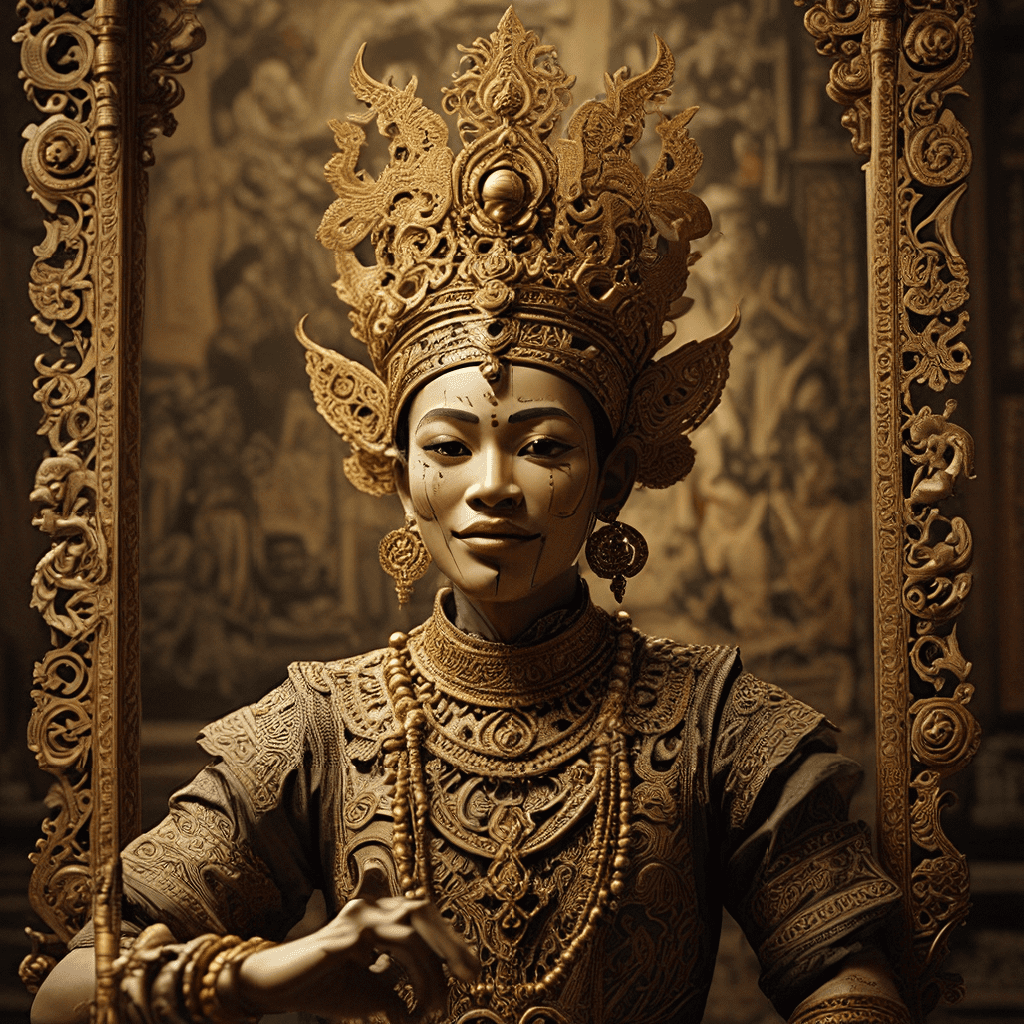
Wayang Kulit, a remarkable form of shadow puppetry, has its roots deeply embedded in the cultural fabric of Indonesia. Originating centuries ago, this art form has evolved into a captivating medium for storytelling, reflecting the rich history and diverse traditions of the archipelago. Celebrated for its intricate performances and philosophical depth, Wayang Kulit serves as a vital vehicle of cultural expression, ensuring that age-old tales and moral teachings continue to resonate with contemporary audiences.The uniqueness of Wayang Kulit lies in its combination of artistic craftsmanship, storytelling, and spiritual significance.
Crafted from animal hides, these puppets are meticulously designed and painted, showcasing elaborate details that bring characters to life. Performances are typically accompanied by traditional gamelan music, creating an enchanting atmosphere that immerses the audience. What sets Wayang Kulit apart from other traditional arts is its dual role as both entertainment and a medium for imparting moral lessons, drawing from Hindu epics like the Ramayana and Mahabharata, as well as local folklore.
Storytelling Techniques in Wayang Kulit Performances, Must-Have Books on Wayang Kulit Stories and Philosophy
The storytelling techniques utilized in Wayang Kulit are characterized by a rich blend of narrative styles, character development, and audience interaction. These performances are not only visual spectacles but also profound reflections on human nature and ethics.The key storytelling techniques include:
Narrative Structure: Each performance follows a structured plot that often includes a moral dilemma, character conflicts, and resolutions that resonate with universal themes.
Characterization: Puppets are crafted to embody specific traits, with distinguishing features that symbolize virtues or vices. This allows the audience to easily identify with the characters' journeys.
Dialogue and Monologue: The scripts are often rich in poetic language, allowing for expressive dialogue that enhances character development and engages the audience emotionally.
Music and Sound Effects: The accompaniment of gamelan music and live narration serves to heighten the emotional impact, guiding the audience through the narrative arc.
Audience Engagement: Performances often include call-and-response elements, inviting audience participation and fostering a communal experience that deepens the connection to the story.
"The true beauty of Wayang Kulit lies in its ability to convey timeless wisdom through the art of storytelling."
Essential Books on Wayang Kulit
Wayang Kulit, the traditional Indonesian shadow puppet theater, is a cultural treasure that encapsulates rich storytelling and deep philosophical themes. A library of literature has emerged around this art form, providing insights into its practices, narratives, and symbolism. Here are five must-have books that stand out for their significant contributions to the understanding and appreciation of Wayang Kulit.
Notable Works on Wayang Kulit
The following essential readings delve into various aspects of Wayang Kulit, from its historical roots to its philosophical underpinnings. Each book is a gem that offers unique perspectives and enriches the reader's knowledge of this captivating form of art.
Wayang Kulit: The Indonesian Shadow Play by Richard Schechner - This comprehensive guide explores the genesis and evolution of Wayang Kulit, showcasing its significance in Indonesian culture. Richard Schechner, a renowned performance studies scholar, highlights the intricate relationship between puppetry and ritual, drawing on his extensive fieldwork in Indonesia.
The World of Shadow Puppetry by Barbara H. Smith - This book provides an in-depth analysis of shadow puppetry across various cultures, including a rich section dedicated to Wayang Kulit. Barbara H. Smith, an anthropologist, offers comparative insights that illuminate the universal themes found in this art form, making it essential for understanding its global context.
Mythical Stories in Wayang Kulit by Ki Nartosabdho - A prominent figure in Wayang Kulit performances, Ki Nartosabdho compiles and retells classic tales central to this tradition. His firsthand experience as a puppeteer offers authentic narratives that resonate with cultural significance, enriching readers’ appreciation of the stories that shape Wayang Kulit.
Philosophy and Performance in Wayang Kulit by Hadi Soesanto - This book examines the philosophical dimensions of Wayang Kulit, drawing connections between its narratives and Indonesian ideology. Hadi Soesanto, a philosophy scholar, provides a thoughtful analysis of how the performances reflect societal values and ethical dilemmas, inviting deeper contemplation for audiences.
Wayang Kulit: A Cultural Heritage by Iwan Santosa - A vibrant exploration of the artistry involved in creating Wayang Kulit puppets, this book combines aesthetics with cultural history. Iwan Santosa, a craftsman and historian, takes readers on a journey through the techniques and materials used in puppet-making, showcasing the dedication required to keep the tradition alive.
The themes presented in these texts collectively enrich the understanding of Wayang Kulit by bridging cultural narratives with philosophical reflections. They emphasize the importance of storytelling in preserving heritage and articulating moral lessons, ensuring that this timeless tradition continues to inspire and educate future generations.
Philosophy in Wayang Kulit Stories
Wayang Kulit, the traditional Indonesian shadow puppet theatre, is not just an art form but a profound medium that conveys deep philosophical insights. The narratives often intertwine moral dilemmas, ethical principles, and existential themes, reflecting the core values of Indonesian culture. Through vibrant storytelling and symbolic puppetry, these performances encapsulate the complexity of human experience and the philosophical inquiries that accompany it.The philosophical themes embedded in Wayang Kulit narratives are as diverse as the stories themselves.
They explore concepts of good versus evil, the nature of justice, the importance of duty, and the pursuit of wisdom. These themes often serve to guide audiences in their moral and ethical decision-making while resonating with broader cultural values that define Indonesian society.
Moral Lessons in Wayang Kulit Stories
The moral lessons derived from Wayang Kulit stories are pivotal in shaping societal values and individual character. These lessons often emerge from the trials faced by characters, conveying essential truths that resonate across generations. Here are some key moral teachings illustrated in various narratives:
Patience and Endurance:
Characters like Arjuna exemplify the virtue of patience in the face of adversity, emphasizing the importance of perseverance in achieving one's goals.
Justice and Fairness:
The narratives often portray the struggle for justice, where protagonists confront tyranny and corruption, highlighting the necessity of fairness in governance and personal conduct.
Respect for Elders:
Many stories underscore the cultural value of respecting elders, with characters often seeking wisdom from parental figures, reinforcing the significance of intergenerational knowledge.
The Balance of Nature:
Themes of harmony with nature and the consequences of disrupting ecological balance are prevalent, reminding audiences of their duty to protect the environment.
Self-Discovery and Identity:
Protagonists embark on journeys of self-discovery, reflecting the philosophical quest for personal identity and understanding one's place in the universe.
The philosophical themes presented in Wayang Kulit not only enrich the narratives but also resonate deeply with the cultural fabric of Indonesian society. They act as mirrors reflecting the values, beliefs, and collective consciousness of the people, making these tales timeless lessons on morality and ethics. Through the lens of Wayang Kulit, audiences are invited to engage with these profound philosophical inquiries, fostering a deeper appreciation for the richness of Indonesian heritage.
Analyzing Character Archetypes in Wayang Kulit
Character archetypes in Wayang Kulit serve as foundational elements that shape narratives and convey philosophical insights. These archetypes not only resonate with audiences but also symbolize broader human experiences and cultural values. By examining these recurring character types, audiences gain a deeper understanding of the stories and their inherent meanings.The richness of character archetypes in Wayang Kulit is profound, as they encapsulate universal themes and moral lessons.
Each character's behavior and attributes reflect specific archetypes that contribute to the overarching narrative. These archetypes can be categorized into heroes, villains, mentors, and tricksters, among others, each serving a distinct purpose within the tales.
Common Character Archetypes
The exploration of archetypes in Wayang Kulit reveals several common character types that recur across various stories. Each archetype carries its unique symbolic meaning, representing different facets of human nature and societal roles.
Hero: Often portrayed as noble and courageous, the hero embodies the virtues of bravery and integrity. An example is Arjuna, who represents the ideal warrior and seeker of truth.
Villain: The antagonist typically symbolizes chaos and moral corruption. For instance, Durga, a powerful demoness, challenges the hero and represents the darker aspects of human desire.
Mentor: This archetype offers wisdom and guidance. Gurukula, often depicted as the sage or teacher, plays a crucial role in mentoring the hero and providing them with the tools to succeed.
Trickster: The trickster archetype introduces humor and unpredictability. Characters like Semar cleverly manipulate situations to teach important lessons, often challenging social norms.
To further illustrate the significance of these archetypes, the following table compares the traits of notable characters across different Wayang Kulit stories, revealing archetypical patterns that resonate with audiences.
Character Archetype Story Key Traits
Arjuna Hero Mahabharata Courageous, noble, skilled
Durga Villain Ramayana Powerful, cunning, chaotic
Gurukula Mentor Various Wise, supportive, knowledgeable
Semar Trickster Various Witty, clever, unconventional
These archetypes not only enhance the storytelling experience but also offer insights into the culture and philosophy embedded within Wayang Kulit. By understanding the roles and symbolic meanings of these characters, audiences can appreciate the depth and complexity of these traditional narratives, reflecting the rich tapestry of Indonesian cultural heritage.
The Role of Music and Sound in Wayang Kulit
Music and sound play a pivotal role in Wayang Kulit performances, elevating the storytelling experience and creating an immersive atmosphere for the audience. The harmonious blend of traditional gamelan music and sound effects not only enhances the emotional depth of the narrative but also complements the visual artistry of the shadow puppetry. This auditory dimension is crucial as it sets the tone, builds tension, and guides the audience through the unfolding drama of each tale.The significance of gamelan music in Wayang Kulit performances cannot be overstated.
Its intricate melodies and rhythms are essential in underscoring the action on stage, providing cues for both the puppeteers and the audience. Gamelan ensembles typically consist of a variety of instruments, each contributing uniquely to the overall soundscape of the performance.
Instruments in Gamelan Music
A deeper understanding of the instruments used in gamelan music reveals their cultural relevance and importance in Wayang Kulit. The following instruments are integral to the gamelan ensemble:
Gong: A large, deep-sounding instrument that marks significant moments in the performance, creating a dramatic impact.
Gender: A metallophone with resonant bars that produces bright, shimmering sounds, often used for melodic lines.
Rebab: A two-stringed bowed instrument that adds expressive melodies, enhancing emotional undertones in the narrative.
Kettledrums (Gendang): Played in pairs, these drums control the tempo and dynamics, guiding the flow of the story.
Bonang: A set of small gongs played with mallets, providing harmonic support and rhythmic complexity.
Sound effects in Wayang Kulit storytelling are equally vital. They serve to evoke various atmospheres and emphasize actions within the performance. For instance, the sound of wind or thunder can heighten tension during a climactic moment, while gentle rain sounds might create a serene backdrop for a love story. Each effect is meticulously crafted to resonate with the audience, amplifying their emotional connection to the unfolding events.
"Music and sound not only elevate the narrative but also bridge the emotional and cultural gaps between the characters and the audience."
The integration of music and sound in Wayang Kulit performances not only enriches the storytelling but also preserves and celebrates Indonesian cultural heritage. Through this auditory experience, audiences are drawn into a world where every note and sound effect enhances the magical realm of shadow puppetry, making the performance an unforgettable journey into the heart of tradition and art.
Contemporary Interpretations of Wayang Kulit: Must-Have Books On Wayang Kulit Stories And Philosophy
As the world evolves, so too does the art of Wayang Kulit, Indonesia's cherished shadow puppetry tradition. Modern interpretations are bridging the gap between age-old stories and contemporary themes, making this ancient art form relevant to today's audiences. Artists are infusing new life into the classic narratives while maintaining the core values and philosophies that define Wayang Kulit.Contemporary artists are employing various methods to adapt Wayang Kulit for modern sensibilities.
This includes integrating technology, collaborating with other art forms, and addressing current social issues within the performances. The following initiatives reflect the growing global interest in Wayang Kulit and its adaptation to contemporary contexts.
Modern Adaptations and Global Initiatives
Several noteworthy initiatives are championing the evolution of Wayang Kulit in the global arts scene. These projects not only preserve the traditional elements but also embrace innovation, ensuring the art form remains vibrant and engaging. Some key developments include:
Fusion Performances: Artists are blending Wayang Kulit with modern dance, theater, and multimedia presentations. These collaborations create a rich, multisensory experience that attracts a diverse audience.
Digital Platforms: Virtual performances and online workshops have emerged, expanding access to Wayang Kulit. Modern technology allows performers to reach international audiences, transcending geographical limitations.
Thematic Reinterpretations: Contemporary issues such as environmental concerns, gender equality, and cultural identity are being woven into traditional stories. This approach resonates with younger generations and encourages dialogue on pressing societal topics.
Global Collaborations: Artists worldwide are partnering with Indonesian puppeteers to create cross-cultural performances. These collaborations bring fresh perspectives and new audiences to Wayang Kulit, showcasing its adaptability and relevance.
The evolution of storytelling in Wayang Kulit is evident when comparing traditional performances with modern adaptations. Traditional performances primarily focused on moral lessons and spiritual values, employing intricate puppetry and established narratives. In contrast, contemporary adaptations often incorporate innovative storytelling techniques, such as multimedia elements and audience interaction, allowing for a more dynamic and engaging experience.
"Wayang Kulit is no longer confined to its historical roots; it is a living art form that continues to grow and inspire."
Through these contemporary interpretations, Wayang Kulit is thriving in the global arts ecosystem, proving that this remarkable tradition can evolve without losing its essence. As modern artists continue to explore new creative avenues, Wayang Kulit remains a powerful medium for storytelling, cultural expression, and philosophical reflection.
The Educational Value of Wayang Kulit
Wayang Kulit, the traditional Indonesian shadow puppet theatre, serves not only as an entertainment medium but also as a significant educational tool in cultural education. Its intricate storytelling, rich symbolism, and artistic expression make it a powerful resource for engaging learners in various subjects, including literature, history, philosophy, and the arts. By immersing students in the narratives and traditions of Wayang Kulit, educators can foster cultural appreciation and enhance critical thinking skills.Incorporating Wayang Kulit into educational programs allows students to explore themes such as morality, heroism, and societal values through creative expression.
Workshops focusing on Wayang Kulit storytelling techniques provide hands-on experiences that deepen the understanding of the narratives while promoting collaboration and creativity among participants.
Educational Programs and Workshops
Various educational programs and workshops aim to teach the techniques and cultural significance of Wayang Kulit storytelling. These initiatives are designed to inspire students and educators alike. Notable examples include:
Wayang Kulit Workshops: These hands-on workshops guide students through the process of creating puppets and scripting stories, allowing them to perform their own versions of classic tales.
University Courses: Some universities offer courses focused on Wayang Kulit, where students learn about its history, cultural impact, and performance techniques, often culminating in a live performance.
Community Outreach Programs: Local cultural organizations often host outreach programs that bring Wayang Kulit to schools, engaging students through performances that highlight the art form's cultural relevance.
Practical Activities for Student Engagement
Engaging with the themes of Wayang Kulit can be made interactive through various activities that encourage creativity and cultural understanding. Below are practical activities that can help students connect with the stories and lessons of Wayang Kulit:
Puppet Making: Students create their own Wayang Kulit puppets using traditional materials, learning about the symbolism and characters while developing their artistic skills.
Story Adaptation: Encourage students to adapt a classic Wayang Kulit story into a modern context, fostering creativity and critical thinking as they explore the relevance of traditional themes in contemporary society.
Performance Projects: Organize group performances where students can enact stories, utilizing their puppets and incorporating music and sound effects, enhancing their understanding of the narrative structure and performance arts.
Cultural Research: Assign projects where students research the origins and variations of Wayang Kulit, presenting their findings to the class, which promotes cultural literacy and appreciation.
"Wayang Kulit not only entertains but educates, serving as a bridge between generations and cultures."
Preservation Efforts for Wayang Kulit
The art of Wayang Kulit, a traditional Indonesian shadow puppet theater, faces numerous challenges in the modern world. Yet, there are dedicated efforts underway to preserve this unique cultural heritage. These initiatives aim to ensure that the stories, philosophies, and artistry of Wayang Kulit are not only maintained but also revitalized for future generations.Various organizations and individuals play a pivotal role in advocating for the preservation of Wayang Kulit.
Their efforts encompass a wide range of activities, from educational programs to community performances, thereby fostering a deeper appreciation for this cultural treasure. Some prominent entities and initiatives include:
Key Organizations and Initiatives
The commitment to preserving Wayang Kulit manifests through several influential organizations and key individuals who actively work to safeguard this art form. Their efforts are crucial in promoting awareness, education, and engagement with the community.
The Indonesian Ministry of Education and Culture: This government body champions cultural preservation, offering funding and resources for programs that promote Wayang Kulit performances in schools and communities.
UNESCO: Recognizing the cultural significance of Wayang Kulit, UNESCO has supported initiatives aimed at safeguarding this intangible cultural heritage, including training programs for new puppeteers and storytellers.
Puppet Masters (Dalang): Prominent Dalang, such as Ki Manteb Soedharsono, actively engage in workshops and performances, passing on traditional skills to younger generations and ensuring the continuation of storytelling practices.
Cultural Festivals: Events like the Wayang Kulit Festival held annually in various parts of Indonesia serve as platforms to celebrate and share this art form, attracting both local and international audiences.
Non-Governmental Organizations (NGOs): Groups like Yayasan Sanggar Cerita focus on grassroots efforts, providing training and resources to local communities to keep the tradition alive.
Challenges persist in maintaining the authenticity of Wayang Kulit amidst contemporary influences. As modern entertainment options expand, traditional arts face competition for audiences. This shift poses a threat to the traditional practices and narratives that have defined Wayang Kulit for centuries. Moreover, the adaptation of stories to meet contemporary tastes can sometimes dilute the cultural essence, making it imperative for preservation advocates to strike a balance between innovation and tradition.
“Preservation is not just about keeping the past alive; it’s about ensuring that future generations have the opportunity to experience and learn from it.”
Through collective efforts, the resilience of Wayang Kulit continues to shine, ensuring that this remarkable cultural heritage endures for years to come.
FAQ Resource
What is Wayang Kulit?
Wayang Kulit is a traditional Indonesian shadow puppet theater that combines storytelling, music, and visual art to convey moral and cultural narratives.
Why are these books essential?
These books provide cultural insights, storytelling techniques, and philosophical reflections that enhance understanding and appreciation of Wayang Kulit.
Who are the authors of these must-have books?
The authors are experts in Indonesian culture, puppetry, and literature, often having backgrounds in cultural studies or performing arts.
How do the books compare in themes?
Each book addresses various aspects of Wayang Kulit, from cultural significance and moral teachings to character analysis and contemporary interpretations.
Can Wayang Kulit be used in education?
Yes, Wayang Kulit is a valuable educational tool for teaching cultural heritage, storytelling, and ethical lessons in a creative manner.