Best Headphones for Listening to Traditional Music with Clear Sound is your gateway to experiencing the soulful melodies and intricate rhythms of traditional genres like never before. The clarity of sound is paramount when it comes to appreciating the unique timbres of a variety of instruments, allowing you to fully immerse in the rich cultural heritage that traditional music embodies.
Whether it's the gentle strumming of a lute or the powerful beats of a djembe, the right headphones can elevate your listening experience to new heights.
Sound quality can transform your perception, revealing subtle nuances that are often lost. Key features such as frequency response, acoustic design, and headphone type play a crucial role in how you perceive traditional music. By choosing headphones that emphasize clarity and depth, you ensure that every note resonates beautifully, creating an enriching auditory journey.
Importance of Sound Quality in Traditional Music
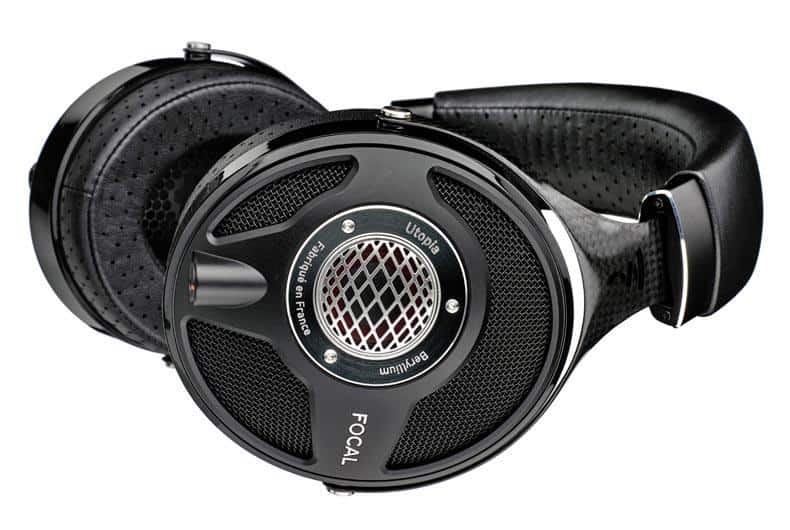
In the world of traditional music, sound quality is not just an accessory; it is the essence that brings the art form to life. The crispness and clarity of sound enhance the listener's connection to the culture and history embedded within each note. When traditional music is played through high-quality headphones, it allows the nuances of various instruments to emerge, making the listening experience profound and immersive.The impact of sound quality on traditional music cannot be overstated.
Each instrument, whether it’s a sitar, flute, or djembe, has its unique voice that conveys emotions and stories. Poor sound quality can mask these subtleties, leading to a diminished appreciation of the music. It is essential to hear the delicate strumming of strings, the breathy notes of wind instruments, and the resonant tones of percussion to fully experience the richness of traditional genres.
Acoustic Elements Enhancing Listening Experience
Acoustics play a pivotal role in how traditional music is perceived. The right headphones can replicate the acoustical environment, transporting listeners to the original settings where the music thrives. Understanding these elements is crucial for an enhanced auditory experience. Here are key acoustic features to consider:
Frequency Response: A wide frequency range allows headphones to capture low bass notes and high treble, enabling the full spectrum of sounds from traditional instruments to resonate clearly.
Soundstage: High-quality headphones create a soundstage that mimics the spatial distribution of instruments. This gives depth and dimension to the listening experience, making you feel as though you are in a live performance.
Clarity and Detail: Clear sound reproduction is essential to distinguish between different instruments and their intricate melodies. Good headphones reveal subtle details that tell stories through music.
Isolation and Comfort: Effective noise isolation enables listeners to focus solely on the music without external distractions. Comfortable fit is essential for extended listening sessions, especially when immersing in long traditional performances.
"The magic of traditional music lies in its ability to tell stories across generations; clear sound quality is the key to unlocking these narratives."
When the acoustic elements are optimized, traditional music transcends mere listening. It becomes an emotional journey that connects the listener to the cultural roots and historical contexts of the sounds being played. The importance of sound quality in traditional music is undeniable, as it transforms the experience into something truly unforgettable.
Features to Look for in Headphones
Listening to traditional music requires a unique set of features in headphones to ensure that the rich tones, intricate rhythms, and melodic nuances are faithfully reproduced. When selecting the perfect headphones for this genre, it’s vital to understand which characteristics contribute most significantly to a high-quality audio experience.One of the most critical aspects to consider is the frequency response of the headphones.
This refers to the range of frequencies that the headphones can reproduce, which is essential for accurately capturing the broad spectrum of sounds present in traditional music. Traditional music often features a wide variety of instruments, each producing a unique set of frequencies. To truly appreciate the depth and detail of these performances, headphones must be capable of delivering a balanced frequency response.
Importance of Frequency Response
Frequency response is a vital specification that defines how well headphones can reproduce sounds across the auditory spectrum. Ideally, headphones designed for traditional music should have a frequency response that ranges from 20 Hz to 20 kHz, ensuring that both the deep bass notes of a drum and the high-pitched tones of string instruments are clearly audible. Traditional music frequently includes rich low tones from instruments like the cello or bassoon, as well as bright, high notes from flutes and violins.
To provide a compelling listening experience, the headphones should:
Deliver crisp, clear highs that capture the intricate melodies.
Provide a warm, resonant bass to enhance the depth of the music.
Offer a balanced mid-range for vocals and harmonic accompaniments.
The ability to accurately reproduce these frequencies allows listeners to fully immerse themselves in the cultural context of the music, enhancing emotional responses and overall enjoyment.
Open-Back vs Closed-Back Headphones
The design of headphones plays a significant role in sound clarity, particularly when listening to traditional music. Open-back and closed-back headphones offer distinct advantages and disadvantages, which can affect the listening experience.Open-back headphones feature a design that allows air and sound to pass through the ear cup, creating a more natural soundstage. This design enables listeners to perceive the music as if it were being played in a live setting, allowing the nuances of traditional music to shine through.
The main benefits include:
A wider soundstage, providing an immersive experience.
Enhanced clarity and detail, especially in acoustic performances.
Natural sounding dynamics that replicate live performances.
In contrast, closed-back headphones have a solid ear cup design that isolates sound, which can be beneficial in noisy environments. However, they tend to create a more confined soundstage. Key points to consider include:
Excellent noise isolation, allowing for focused listening without distractions.
Stronger bass response, which can enhance certain traditional genres.
Less sound leakage, making them suitable for private listening sessions.
Choosing between open-back and closed-back headphones ultimately depends on personal preference and the listening environment. Open-back headphones are ideal for enjoying the subtleties of traditional music in a quiet setting, while closed-back options may be preferable for use in more dynamic locations.
Recommended Headphone Brands and Models: Best Headphones For Listening To Traditional Music With Clear Sound
Discovering the right headphones for traditional music is essential for truly appreciating the nuances and depth of this rich genre. The clarity of sound can elevate your listening experience, making it vital to select headphones from reputable brands known for their audio fidelity.Many brands have gained a reputation for crafting headphones that excel in sound quality, particularly when it comes to traditional music.
These brands focus on delivering a balanced sound profile that highlights instruments and vocals, allowing listeners to immerse themselves in the intricate details of the music.
Top Headphone Brands Known for Clarity in Sound
Here are some brands that stand out in the market for their exceptional headphone models, tailored for traditional music enthusiasts:
Sennheiser
-Renowned for their precision audio technology, Sennheiser headphones are celebrated for their clear and natural sound reproduction. Models like the HD 600 provide an open-back design that enhances soundstage and detail.
Beyerdynamic
-Known for their high-quality studio headphones, Beyerdynamic offers models like the DT 990 Pro, which delivers a warm sound signature ideal for traditional music.
Audeze
-Recognized for their planar magnetic technology, Audeze headphones, such as the LCD-1, offer unparalleled clarity and depth, making them a top choice for serious audiophiles.
Audio-Technica
-The ATH-M50x is a popular choice among musicians and audio professionals, praised for its accurate sound reproduction, making it suitable for enjoying traditional tunes.
Specifications and Features of Selected Models
When choosing headphones specifically for traditional music, consider the following models that have garnered excellent reviews for their performance:
Model Type Frequency Response Impedance Special Features
Sennheiser HD 600 Open-back 12 - 39,000 Hz 300 ohms Replaceable cable, lightweight design
Beyerdynamic DT 990 Pro Open-back 5 - 35,000 Hz 250 ohms Soft padded ear cups, durable build
Audeze LCD-1 Open-back 10 - 50,000 Hz 16 ohms Lightweight design, high efficiency
Audio-Technica ATH-M50x Closed-back 15 - 28,000 Hz 38 ohms Swiveling ear cups, collapsible design
User Reviews Highlighting Performance
Users consistently praise these headphone models for their exceptional sound quality when listening to traditional music. For instance, a review of the Sennheiser HD 600 notes,
"The clarity and separation of instruments are astounding, allowing me to hear every detail in my favorite folk tunes."
Similarly, a user testimonial for the Audeze LCD-1 mentions,
"These headphones bring the warmth of traditional music alive, with a sound that feels immersive and natural."
Listeners who have chosen the Beyerdynamic DT 990 Pro also express satisfaction, stating,
"The soundstage is expansive, making it feel like I’m right there in the middle of a live performance."
These insights reflect the consensus among audiophiles and casual listeners alike: investing in quality headphones significantly enhances the traditional music experience.
Budget Considerations
When selecting headphones specifically for listening to traditional music, budget considerations play a significant role in ensuring you receive the best sound quality without overspending. Traditional music often requires headphones that can faithfully reproduce the nuances of instruments and vocals, making it essential to find options that cater to your needs without straining your wallet.The market for headphones offers a wide range of price points, catering to both casual listeners and audiophiles alike.
It is important to understand that higher price tags do not always guarantee superior sound. Many budget-friendly options provide exceptional audio quality, making them suitable for enjoying traditional music. Here we explore various price ranges and highlight some excellent choices across the spectrum.
Price Ranges for Headphones
Understanding the price ranges available helps in making informed purchasing decisions. Below is a breakdown of various categories based on price, detailing budget-friendly options that maintain sound quality.
Price Range Features Recommended Models
Under $50 Basic sound quality, lightweight and portable Audio-Technica ATH-M20x, Sony MDR-7506
$50 - $150 Improved soundstage, better bass response AKG Y50, Sennheiser HD 558
$150 - $300 High-quality audio, comfortable design, noise isolation Beyerdynamic DT 990 Pro, Bose QuietComfort 35 II
Above $300 Top-tier sound reproduction, premium materials Sony WH-1000XM4, Sennheiser HD 800 S
For those on a tighter budget, the under $50 category houses several models that provide surprisingly good sound for traditional music. These headphones, like the Audio-Technica ATH-M20x, are lightweight and portable, making them perfect for on-the-go listening. In the $50 to $150 range, headphones such as the AKG Y50 deliver a more robust soundstage, allowing listeners to appreciate the intricate details of traditional music.
The models in this segment offer a balance of performance and affordability, ensuring that music enthusiasts can enjoy their favorite tracks without breaking the bank.Those willing to invest between $150 and $300 will find headphones like the Beyerdynamic DT 990 Pro that offer high-quality audio and comfort for extended listening sessions, ensuring you don’t miss any of the subtle nuances in traditional performances.
For audiophiles, the premium options above $300, such as the Sennheiser HD 800 S, deliver unparalleled sound reproduction, but it’s crucial to assess whether such an investment aligns with your listening habits.
Finding the right headphones is an investment in the listening experience, especially when it comes to the rich tones of traditional music.
How to Properly Use Headphones for Traditional Music
Listening to traditional music through headphones involves not only selecting the right model but also using it effectively to enhance your auditory experience. Optimal settings and proper headphone usage can significantly elevate how you appreciate the intricate melodies and harmonies of traditional music genres. This guide covers essential practices to get the best sound quality from your headphones while immersing yourself in the beauty of traditional sounds.
Optimal Settings and Devices for Listening
To maximize your listening experience of traditional music, it's crucial to configure your audio settings correctly. Here are key factors to consider:
Source Device: Use high-quality digital audio players, smartphones, or computers that support high-resolution audio files. Streaming services that offer lossless formats can present a clearer sound.
Equalizer Settings: Adjust EQ settings to enhance midrange frequencies, which are often vital in traditional music. A slight boost in these frequencies can bring out the richness of instruments.
Volume Levels: Set your volume to a comfortable level. Overly high volumes can lead to distortion, while too low may obscure the details in the music.
Audio Format: Opt for high-fidelity formats such as FLAC or WAV. These formats retain the nuances of traditional music, making them preferable over compressed formats.
Impact of Headphone Placement and Fit
Correct placement and fitting of your headphones play a significant role in sound quality. Here’s why:
Ear Cup Position: Ensure that the ear cups align properly with your ears. Poor alignment can result in muffled sound or unequal audio distribution.
Seal and Isolation: A good seal around your ears enhances bass response and keeps external noise at bay. Over-ear headphones typically provide better isolation than on-ear models.
Comfort and Adjustability: Choose headphones with adjustable headbands and cushioned ear pads for a comfortable fit. This not only affects sound quality but also allows for longer listening sessions without discomfort.
Maintenance Tips for Longevity and Sound Performance
Proper maintenance of your headphones ensures they remain in optimal condition, preserving sound quality over time. Here are some recommended practices:
Regular Cleaning: Wipe down ear pads and headbands with a soft, dry cloth to remove sweat and dirt. For deeper cleaning, use a slightly damp cloth, avoiding any liquid that could seep into the electronics.
Safe Storage: Store your headphones in a protective case when not in use to prevent damage from dust, moisture, or accidental drops.
Cable Care: Avoid yanking or twisting the headphone cables. Consider using a cable organizer to prevent tangles and wear.
Battery Management: For wireless headphones, keep the battery charged but avoid leaving them plugged in constantly, which can degrade the battery over time.
Listening Environment
Creating the right listening environment is crucial when it comes to fully enjoying traditional music. The ambiance of your surroundings can significantly impact how sound is perceived, making it essential to curate a space that enhances the listening experience. A well-designed environment not only elevates the clarity and richness of the music but also immerses the listener in the historical and cultural context of the compositions.To achieve an optimal listening experience, consider several key factors that contribute to an ideal space for headphone listening.
The arrangement of furniture, choice of materials, and level of background noise can all play vital roles in how traditional music resonates.
Creating an Ideal Listening Space, Best Headphones for Listening to Traditional Music with Clear Sound
An ideal listening space should be designed with intentionality. Here are essential aspects to focus on for enhancing your traditional music experience:
Soundproofing: Use thick curtains, carpets, or acoustic panels to minimize external sounds. This helps in creating a controlled acoustic environment where the nuances of traditional music can be appreciated without distraction.
Comfortable Seating: Invest in comfortable chairs or cushions that support long listening sessions. A cozy environment invites you to lose yourself in the music.
Lighting: Soft, warm lighting can enhance the mood when listening. Dimmable lights or lamps with warm-toned bulbs create a peaceful atmosphere conducive to relaxation.
Organized Space: Keep your listening area free of clutter. A tidy space promotes mental clarity, allowing you to focus entirely on the music.
Temperature Control: Ensure that your listening environment is at a comfortable temperature, avoiding extremes that could distract or detract from the experience.
Background noise can significantly influence how traditional music is experienced. To achieve an immersive listening session, it is advisable to take measures to reduce or eliminate distractions.
"Creating an environment that minimizes background noise can transform a good listening experience into an extraordinary one."
Some effective strategies for minimizing background noise include:
Choosing the Right Time: Select times for listening when the surrounding noise is at its lowest, such as early mornings or late evenings.
Using Noise-Canceling Headphones: Invest in quality noise-canceling headphones that can help block out ambient sounds, allowing you to focus solely on the intricate sounds of traditional music.
Turning Off Devices: Silence phones and other electronic devices that may cause interruptions during your listening session.
Listening with Intent: Engage with the music actively by eliminating multitasking. Focus solely on the audio experience.
By thoughtfully considering your environment and taking steps to create an ideal listening space, you can enhance the beauty and clarity of traditional music, making each listening session a deeply enriching experience.
The Future of Headphone Technology and Traditional Music
As technology continues to evolve, the way we experience traditional music is also transforming. Upcoming innovations in headphone technology promise to enhance sound quality, comfort, and user interactivity, making traditional music more accessible and enjoyable than ever before. With a growing demand for immersive listening experiences, manufacturers are focusing on developing headphones that cater to the unique needs of traditional music enthusiasts.Emerging technologies are set to revolutionize how we immerse ourselves in traditional music.
Innovations such as adaptive sound algorithms, improved noise cancellation, and augmented reality audio integration are making waves in the headphone industry. These advancements will allow listeners to enjoy traditional music with a clarity and depth that was previously unimaginable. For instance, adaptive sound algorithms can adjust audio settings based on the genre or even the specific track being played, ensuring that every note resonates perfectly.
Trends in Headphone Design for Traditional Music
The design of headphones specifically tailored for traditional music is evolving to meet the preferences of audiophiles. These trends include lightweight materials for comfort during long listening sessions, retro designs that pay homage to traditional musical aesthetics, and customizable audio profiles that allow users to enhance certain frequencies typical in traditional instruments.
Lightweight Materials: Headphones are increasingly being made from breathable materials that reduce fatigue, perfect for extended listening of traditional music.
Retro Aesthetics: Designers are drawing inspiration from the visual elements of traditional cultures, creating headphones that not only sound great but also look authentic.
Customizable Audio Profiles: Users can modify sound settings to highlight specific instruments, such as the sitar or flute, enriching the listening experience.
Insights into the future of headphone technology suggest that these advancements will not only enhance sound quality but also deepen the appreciation of traditional music. As headphones integrate features like spatial audio, listeners can experience the true ambiance of a live performance, placing them in the midst of an orchestra or ensemble.
"The evolution of headphone technology is about to transform traditional music appreciation, bringing listeners closer to the cultural essence embedded in each note."
Ultimately, the fusion of technology and traditional music paves the way for a future where every listener can enjoy a personalized, immersive experience. With brands leading the charge in innovation, the possibilities for experiencing traditional music are limitless, promising richer, more engaging auditory journeys ahead.
FAQ Resource
What are the key features to consider in headphones for traditional music?
Key features include frequency response, sound isolation, and the type of headphones (open-back or closed-back) to enhance clarity and depth.
Are open-back headphones better for traditional music?
Yes, open-back headphones often provide a more natural and spacious sound, which can enhance the listening experience for traditional music.
Can budget headphones deliver quality sound for traditional music?
Absolutely! Many budget options are designed to provide excellent sound quality without a high price tag, perfect for traditional music lovers.
How important is the listening environment when using headphones?
The listening environment is crucial, as minimizing background noise and creating an ideal space can significantly enhance your experience.
What maintenance tips can I apply to prolong headphone life?
Regularly clean the ear pads, store them in a protective case, and avoid exposing them to extreme temperatures to ensure longevity and sound performance.