How to create a sustainable stationery collection is more than just a trend; it's a commitment to the environment and a step towards a greener future. As consumers become increasingly aware of their ecological footprint, the demand for sustainable products has surged, particularly in the stationery industry. This guide will take you through the essential steps to curate a collection that not only looks good but also does good, ensuring that your stationery choices contribute positively to the planet.
From understanding the principles of sustainability to selecting eco-friendly materials, designing innovative products, sourcing ethically, and marketing your collection effectively, you'll discover how each aspect plays a crucial role in creating a sustainable stationery line that resonates with environmentally-conscious consumers.
Understanding Sustainability in Stationery
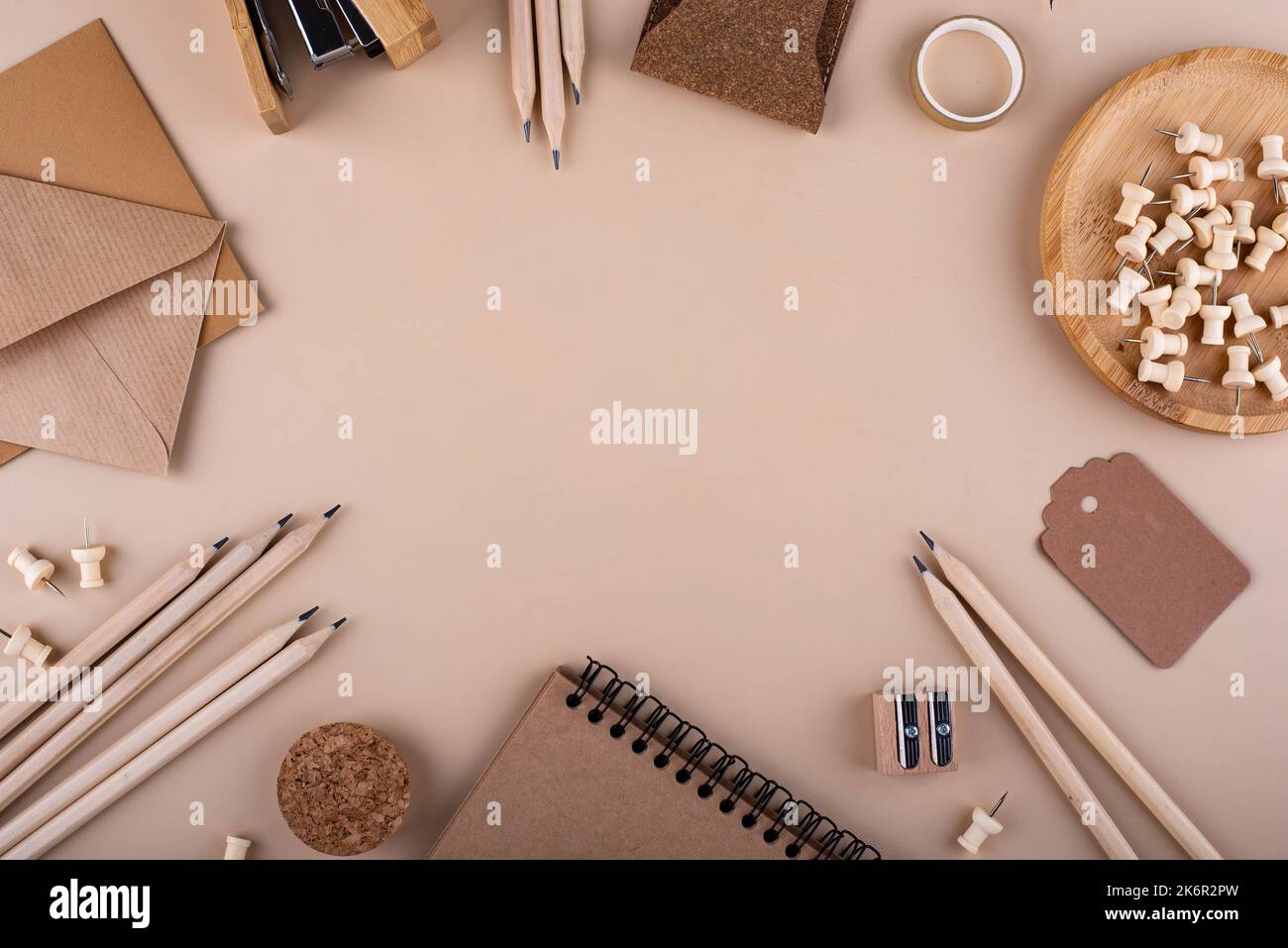
The concept of sustainability in stationery revolves around creating products that minimize environmental harm while promoting responsible consumption. As individuals and businesses become more aware of their ecological footprint, the demand for sustainable stationery options has surged, leading to innovative materials and practices that encourage a greener lifestyle.Traditional stationery products often rely on materials that contribute significantly to environmental degradation.
For example, conventional paper is typically made from virgin wood pulp, leading to deforestation, habitat destruction, and increased carbon emissions. Furthermore, the production of plastic stationery items, such as pens and binders, contributes to pollution and an ever-growing landfill crisis. Recognizing these impacts is crucial for consumers and manufacturers alike as they seek to transition toward sustainable alternatives.
Key Sustainable Materials for Stationery Production
When selecting materials for sustainable stationery, it is important to prioritize options that not only reduce environmental impact but also ensure functionality and aesthetic appeal. Below are several sustainable materials that are transforming the stationery landscape:
Recycled Paper: Made from post-consumer waste, recycled paper reduces the need for virgin fibers and lowers energy consumption during production. It retains the quality and versatility of traditional paper, making it a popular choice for notebooks, cards, and stationery sets.
Bamboo: As one of the fastest-growing plants on Earth, bamboo is a highly sustainable resource. Its use in stationery items like journals and pens not only reduces deforestation but also promotes a biodegradable alternative to plastic.
Organic Cotton: Utilizing organic cotton for items such as fabric notebooks or pouches eliminates the use of harmful pesticides and chemicals. This natural material is not only durable but also biodegradable, reducing waste in landfills.
Plant-Based Plastics: Derived from renewable materials like corn starch or sugarcane, plant-based plastics offer a more sustainable option for products like binders and pencil cases. They can be composted, further minimizing their environmental footprint.
Stone Paper: Made from crushed stone and non-toxic resins, stone paper is water-resistant and recyclable. It requires no trees or water in its production, making it a remarkable alternative for printing and writing products.
“Choosing sustainable materials for stationery not only benefits the environment but also promotes a culture of responsibility and mindfulness in consumers.”
Making informed choices about the materials used in stationery products empowers consumers to support sustainability initiatives. By selecting items crafted from these eco-friendly materials, individuals can contribute to a more sustainable future while enjoying functional and stylish stationery items.
Selecting Sustainable Materials
Creating a sustainable stationery collection begins with the careful selection of materials, as they play a pivotal role in reducing environmental impact. By choosing eco-friendly materials, you can ensure that your stationery items contribute positively to the planet while maintaining quality and aesthetics.Sustainable materials not only reduce waste but also promote responsible consumption. Here are some notable eco-friendly options for your stationery collection:
Eco-Friendly Materials for Stationery
Incorporating eco-friendly materials is essential for minimizing environmental harm. The following list highlights several sustainable materials that are ideal for creating stationery:
Recycled Paper: Made from post-consumer waste, recycled paper reduces the need for virgin pulp and lowers energy and water consumption.
Biodegradable Plastics: Derived from renewable sources, these plastics break down naturally over time, minimizing landfill waste.
Plant-Based Inks: These inks are made from natural materials, ensuring that the printing process is less harmful to the environment.
Hemp Paper: Hemp grows quickly, requires less water, and can be used to create durable paper products.
Bamboo: A highly renewable resource, bamboo can be used for pens and other stationery items, offering a robust and eco-friendly alternative.
Benefits of Recycled Paper and Biodegradable Plastics
Utilizing recycled paper and biodegradable plastics offers numerous advantages for both the environment and consumers. Recycled paper helps conserve forests, reduces pollution, and saves energy compared to producing new paper. It also supports the recycling industry, creating jobs and contributing to a circular economy.Biodegradable plastics are another excellent choice, as they reduce the burden on landfills and decrease pollution. They break down into natural substances over a shorter period compared to traditional plastics, thus mitigating the long-lasting environmental impact associated with plastic waste.
Sustainable Alternatives to Common Stationery Materials, How to create a sustainable stationery collection
When creating a sustainable stationery line, it's crucial to identify eco-friendly alternatives to widely used materials that are often harmful to the environment. Below is a comparison of common materials and their sustainable counterparts:
Common Material Sustainable Alternative Benefits of Alternative
Virgin Paper Recycled Paper Reduces deforestation and energy consumption.
Conventional Plastic Biodegradable Plastics Breaks down naturally and reduces landfill waste.
Petroleum-Based Inks Plant-Based Inks Less harmful chemicals and better air quality.
Plastic Binding Natural Cotton or Hemp Twine Biodegradable and renewable resources.
The transition to sustainable materials not only enhances the environmental footprint of your stationery but also resonates with eco-conscious consumers.
Designing a Sustainable Collection
Creating a sustainable stationery collection involves more than just choosing eco-friendly materials. It requires a thoughtful approach that balances functionality, aesthetics, and environmental responsibility. By considering each step of the design process carefully, you can produce stationery that not only looks good but also contributes to a greener planet.The design of eco-friendly stationery products necessitates a series of intentional decisions that prioritize sustainability at every stage.
Below are key steps to consider when designing a collection that minimizes waste and enhances usability.
Steps to Design Eco-Friendly Stationery Products
The journey to creating sustainable stationery starts with the following steps:
Research and Conceptualization: Begin by studying current trends in sustainable materials and consumer preferences. Develop concepts that merge aesthetics with ecological mindfulness.
Material Selection: Choose materials that are biodegradable, recycled, or sustainably sourced. For example, consider using paper made from agricultural waste or non-toxic inks derived from vegetable sources.
Prototyping: Create prototypes using your selected materials. This step allows for testing the durability and functionality of the designs while ensuring they adhere to sustainability standards.
User Testing and Feedback: Gather feedback from potential users on the prototypes. This will provide insight into the functionality and appeal of your designs.
Final Adjustments: Refine the designs based on feedback and ensure that they meet both aesthetic and sustainable criteria before moving into production.
Examples of Sustainable Designs That Minimize Waste
Sustainable designs often prioritize minimalism and utility, which can significantly reduce waste. Here are a few innovative examples:
Seed Paper Notebooks: Notebooks made from seed-infused paper can be planted after use, returning to nature and creating new life.
Recycled Material Pens: Pens crafted from recycled plastics or metals not only reduce waste but also promote a circular economy.
Modular Stationery Sets: Design stationery sets where components can be replaced separately, extending the life of the products and minimizing landfill waste.
Incorporating Functionality and Aesthetics in Sustainable Stationery
Balancing functionality with aesthetic appeal is essential in sustainable design. The following tips can help achieve this harmony:
Embrace Minimalism: Simplistic designs often use fewer materials while maintaining elegance. Focus on clean lines and simple forms that are visually appealing.
Versatile Designs: Create products that serve multiple functions, such as a planner that doubles as a sketchbook, reducing the need for additional items.
Thoughtful Color Schemes: Use natural dyes and colors that resonate with the eco-friendly message, ensuring that the visual aspect aligns with sustainability.
“Sustainable design is not just about materials; it is about creating a connection between the product and the user, fostering a sense of responsibility and care for the planet.”
By following these steps and examples, designers can forge a path toward a stationery collection that embodies sustainability without compromising on style or functionality.
Sourcing Ethically
Sourcing ethically is a cornerstone of creating a sustainable stationery collection. It involves partnering with suppliers and manufacturers who prioritize environmental responsibility and fair labor practices. By choosing ethical suppliers, you not only enhance your brand's integrity but also contribute to a sustainable future.Identifying ethical suppliers requires a keen understanding of what constitutes ethical practices in the stationery industry. Transparency is paramount; it allows consumers to make informed choices about the products they purchase.
When suppliers are open about their sourcing and manufacturing processes, it builds trust and accountability. Crucial to this process is the evaluation of sustainability practices among potential suppliers.
Criteria for Evaluating Sustainability Practices of Suppliers
To ensure your stationery collection is genuinely sustainable, you should establish criteria to assess potential suppliers. This evaluation process should focus on several key areas:
Material Sourcing: Look for suppliers who use responsibly sourced materials, such as FSC-certified paper and eco-friendly inks. These materials should be renewable or recyclable.
Manufacturing Processes: Evaluate how products are manufactured. Suppliers should employ processes that reduce waste and energy consumption, possibly utilizing renewable energy sources.
Labor Practices: Ethical suppliers must adhere to fair labor practices, ensuring safe working conditions, fair wages, and no child labor.
Transparency and Reporting: Suppliers should provide clear reporting on their sustainability practices, including any certifications, audits, or assessments by third parties.
Community Impact: Consider suppliers that engage in community development, supporting local economies and investing in social initiatives.
"Choosing ethical suppliers is not just good for business; it's a commitment to a sustainable future."
By carefully considering these criteria, you can select suppliers who align with your vision for a sustainable stationery collection. This commitment not only enhances your product's appeal but also fosters a more responsible industry.
Marketing Your Sustainable Collection
In today's eco-conscious market, effectively marketing your sustainable stationery collection is essential to attract like-minded consumers. A well-crafted marketing strategy not only highlights the green credentials of your products but also engages customers on a deeper level, fostering brand loyalty and trust. It's about more than just selling products; it's about sharing a vision for a more sustainable future.
Creating a Marketing Strategy for Sustainability
A comprehensive marketing strategy that emphasizes sustainability involves multiple approaches. Consider the following key elements that can enhance the visibility and appeal of your products:
Social Media Engagement: Use platforms like Instagram and Pinterest to showcase your collection visually. High-quality images of your recyclable notebooks and biodegradable pens can capture attention and drive conversations around sustainability.
Content Marketing: Share blog posts and articles that educate consumers on the importance of sustainable stationery, detailing your commitment to the environment. This establishes your brand as a thought leader in the eco-friendly sector.
Partnerships with Influencers: Collaborate with eco-conscious influencers who share your brand’s values. Their endorsements can significantly expand your reach and credibility among target audiences.
Community Involvement: Participate in local environmental initiatives or sponsor tree-planting events. Showcasing your active role in sustainability can resonate with consumers who value community involvement.
The Role of Storytelling in Promoting Eco-Friendly Products
Storytelling is a powerful tool in marketing, particularly for sustainable products. Sharing the story behind your stationery collection can create a meaningful connection with consumers. Here’s how to implement effective storytelling:
Brand Origin Story: Narrate how your journey toward creating sustainable stationery began. Describe your passion for the environment and the challenges you faced in sourcing sustainable materials.
Product Journey: Highlight the life cycle of your products, from responsibly sourced materials to eco-friendly production processes. This transparency builds trust and encourages customers to support your brand.
Customer Testimonials: Showcase stories from satisfied customers who have chosen your sustainable stationery. Their experiences can inspire others to make similar choices, reinforcing the impact of your products.
Visual Narratives: Use videos and infographics to tell your brand story compellingly. Illustrating your sustainability practices visually can engage audiences more effectively than text alone.
Examples of Successful Sustainable Stationery Brands
Several brands have successfully executed marketing strategies centered around sustainability. Their innovative approaches can provide valuable insights:
PaperMate: By launching their "Earth Write" collection, they emphasize their commitment to sustainability through social media campaigns and partnerships that highlight the use of recycled materials.
Sakura: Known for their eco-friendly inks and packaging, Sakura leverages storytelling in their marketing by sharing the environmental benefits of their products through engaging content on their website and social channels.
Ecojot: This brand focuses on using 100% post-consumer recycled paper. Their marketing strategy includes strong visual branding and community-driven events that connect with customers passionate about sustainability.
Engaging Customers in Sustainability
In today's environmentally conscious world, engaging customers in sustainability is a pivotal step for brands looking to make a positive impact. By fostering awareness and encouraging responsible practices, brands can build a loyal customer base that values sustainability. This section delves into innovative strategies to educate customers about sustainable stationery and ways to inspire them to recycle and upcycle their products.
Educating Customers About Sustainable Stationery
Educating customers about the importance of sustainable stationery is essential for cultivating a knowledgeable consumer base. By providing clear information on sustainable practices and materials, brands can help customers understand their purchasing choices. Here are effective methods to implement:
Workshops and Webinars: Host interactive workshops and webinars that focus on the benefits of sustainable stationery, covering topics like eco-friendly materials and the environmental impact of traditional stationery products.
Informative Content: Create blog posts, videos, and infographics that Artikel the importance of sustainability in stationery. Highlight statistics, such as the amount of paper waste generated each year, to emphasize the need for change.
Social Media Campaigns: Utilize social media platforms to share informative posts, infographics, and success stories related to sustainable stationery practices, creating a community around sustainability.
Encouraging Recycling and Upcycling
Encouraging customers to recycle or upcycle stationery products not only reduces waste but also fosters creativity and resourcefulness. Here are strategies to motivate customers to adopt these practices:
Recycling Programs: Implement a take-back program that incentivizes customers to return their used stationery for recycling, offering discounts on future purchases as a reward.
Upcycling Challenges: Launch a creative upcycling challenge that invites customers to share their innovative uses for old stationery items. Feature the best submissions on your website and social media to inspire others.
DIY Guides: Provide downloadable guides with step-by-step instructions for upcycling stationery products into useful items, such as bookmarks, gift wrap, or notepads.
Interactive Engagement Ideas
Interactive engagement is key to deepening customer loyalty and commitment to sustainable practices. Here are engaging ideas to connect customers with sustainability initiatives:
Virtual Green Events: Organize virtual events where customers can participate in eco-friendly crafts or learn about sustainable practices related to stationery.
Feedback and Surveys: Create polls and surveys to gather customer opinions on sustainable initiatives, allowing them to feel involved in shaping your brand's sustainability strategies.
Community Initiatives: Collaborate with local organizations on community clean-up days or tree planting events, encouraging customers to join and make a tangible impact.
"When customers are engaged and informed, they become advocates for sustainability, driving demand for eco-friendly products."
Engaging customers in sustainability is not just about selling products; it’s about creating a movement that encourages responsible consumption and empowers individuals to make impactful choices for the environment.
Measuring Success and Impact: How To Create A Sustainable Stationery Collection
Understanding the effectiveness of your sustainability initiatives is crucial for continual improvement and market competitiveness. Measuring success and impact is not merely about numbers; it reflects your commitment to creating a positive change in the stationery industry. By adopting a structured approach to evaluating your efforts, you can ensure that your sustainable stationery collection not only meets business goals but also contributes meaningfully to environmental preservation.To effectively track the environmental impact of your stationery collection, several metrics and methodologies can be employed.
Establishing a robust framework for assessment enables you to quantify both your achievements and areas requiring enhancement.
Tracking Environmental Impact
Assessing the environmental impact of your collection involves meticulous data collection and analysis. Consider implementing the following metrics:
Carbon Footprint: Calculate the total greenhouse gas emissions associated with the production, distribution, and disposal of your stationery items. For example, a company could utilize life cycle assessment (LCA) tools to measure emissions throughout the product lifecycle.
Material Usage: Track the types and quantities of sustainable materials used in your products. Keeping a log of renewable resources versus conventional materials will help illustrate your commitment to sustainability.
Waste Reduction: Measure the reduction in waste generated by your operations, including production scraps and packaging waste. Aim for a zero-waste strategy and monitor progress over time.
Water Consumption: Assess water usage in the manufacturing process. Reducing water consumption is vital for sustainable practices, especially in regions experiencing water scarcity.
Product End-of-Life Impact: Evaluate how your products are disposed of or recycled. Aim for a higher rate of recyclable materials in your stationery collection.
Evaluating Success of Sustainability Efforts
Identifying key performance indicators (KPIs) can help you measure the success of your sustainability efforts. The following metrics serve as reliable indicators:
Sales Growth: Analyze trends in sales of your sustainable products compared to non-sustainable counterparts. Increasing sales of eco-friendly items suggest effective market penetration.
Customer Engagement: Use surveys and feedback loops to gauge customer awareness and appreciation of your sustainability initiatives. High engagement rates often correlate with brand loyalty.
Certification Achievements: Track the number of recognized sustainability certifications obtained (e.g., FSC, Green Seal). Each certification can enhance credibility and consumer trust.
Social Media Impact: Monitor social media interactions regarding your sustainable initiatives. Positive engagement can indicate customer support and brand reputation.
Future Goals for Enhancing Sustainability
Establishing future goals is essential to maintaining momentum in your sustainability journey. Here are some aspirational objectives you might consider:
100% Sustainable Materials: Aim for all products to be made from sustainable or recycled materials within a set timeframe, enhancing your green credentials.
Carbon Neutral Operations: Set a target to achieve carbon neutrality in your operations by a specific year, utilizing renewable energy and offsetting remaining emissions.
Enhanced Recycling Programs: Develop take-back programs that encourage customers to return used products for recycling, creating a circular economy model.
Community Engagement Initiatives: Plan to support local environmental initiatives or schools focused on sustainability education, thereby enhancing community ties and brand image.
"Measuring our impact not only shapes our business strategy but inspires our community to join us in the journey toward sustainability."
FAQ Explained
What are the benefits of using recycled paper?
Recycled paper reduces waste, conserves natural resources, and lowers energy consumption compared to producing new paper, making it an eco-friendly choice for stationery.
How can I encourage customers to recycle?
Implement programs that offer incentives for returning used products, provide educational materials on recycling, and promote the benefits of recycling through your marketing efforts.
What materials should I avoid when creating stationery?
Avoid materials like non-biodegradable plastics and paper sourced from unsustainable logging practices, as they harm the environment and contribute to waste.
How can I measure the success of my sustainable collection?
Track metrics such as sales growth, customer engagement, waste reduction, and feedback on sustainability initiatives to gauge the impact of your collection.
What are some examples of sustainable stationery brands?
Brands like Paper Chase and Green Stationery focus on eco-friendly materials and ethical sourcing, exemplifying successful sustainable stationery businesses.