Strategies for integrating technology in education systems are reshaping the landscape of learning, ushering in an era where innovation meets education. As we explore this pivotal topic, it's essential to recognize how technology not only supports teaching methodologies but also enhances student engagement and learning outcomes. A world of digital tools and resources is at educators' fingertips, ready to transform traditional classrooms into dynamic learning environments.
With statistics revealing a steady increase in technology adoption across schools, the need for effective integration strategies has never been more critical. From advanced hardware to immersive software applications, the variety of technologies available presents opportunities for personalized and engaging learning experiences. Educators are called to adapt, ensuring that their teaching practices evolve alongside these technological advancements for maximum impact.
Introduction to Technology in Education
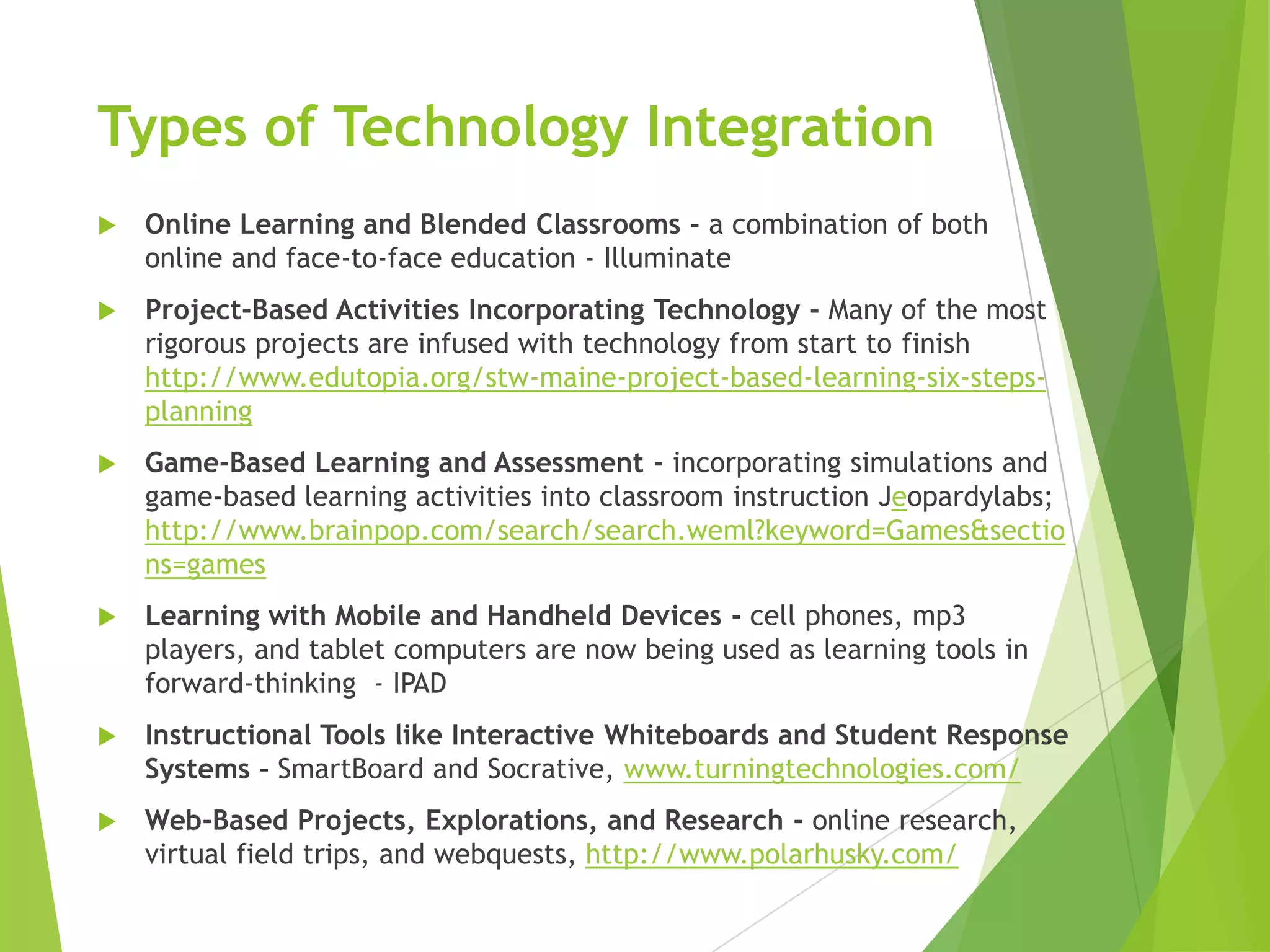
In today's rapidly evolving educational landscape, technology plays a pivotal role in shaping how students learn, engage, and interact with educational content. As classrooms increasingly transform through digital tools and resources, the integration of technology is no longer optional but essential for fostering an effective learning environment. Statistics reveal a significant uptick in technology adoption across educational institutions. According to a report by the National Center for Education Statistics, over 90% of public schools in the United States have internet connectivity, and approximately 70% of teachers use technology regularly in their teaching practices.
These figures underscore the critical importance of integrating technology to enhance learning experiences, improve access to information, and prepare students for a technology-driven world.
Impact of Technology Integration on Learning Outcomes
Integrating technology into education has a profound impact on learning outcomes. When utilized effectively, technology not only enhances students' engagement but also supports personalized learning pathways. The following points illustrate the key benefits of integrating technology in educational settings:
Accessibility to Resources: Technology provides students with immediate access to a vast array of resources, including e-books, online databases, and educational videos, enriching their learning experience.
Collaboration and Communication: Digital tools facilitate collaboration among students and teachers, allowing for real-time feedback and interaction regardless of geographical barriers.
Skill Development: Exposure to technology equips students with essential digital skills, preparing them for future careers in a technology-centric job market.
Data-Driven Insights: Educators can leverage technology to gather and analyze data on student performance, enabling targeted interventions and improved instructional strategies.
Engagement and Motivation: Interactive learning platforms and gamified educational content can significantly boost student motivation and increase participation in the learning process.
An impressive example of technology integration in education is the use of learning management systems (LMS) like Canvas and Blackboard. These platforms allow educators to create interactive course materials, monitor student progress, and foster a collaborative learning environment. Additionally, studies show that students using LMS consistently demonstrate higher engagement rates, leading to improved academic outcomes.
"The integration of technology in education is not merely about using tools; it's about enhancing the learning experience and preparing students for the demands of the future."
As schools continue to embrace technology, it becomes increasingly important to understand its role and leverage its potential to create dynamic and effective learning environments. The integration of technology in education is a powerful catalyst for change, fundamentally transforming how knowledge is imparted and absorbed in the 21st century.
Types of Technologies Used in Education
In the modern educational landscape, technology plays a pivotal role in enhancing learning experiences and increasing engagement among students. Various types of technologies are utilized in educational settings to facilitate teaching and learning. This section delves into the hardware and software tools that are transforming classrooms into dynamic learning environments.Educational technology can be categorized into two primary segments: hardware and software tools.
Each type contributes distinctively to the educational process, enhancing both teaching methodologies and learning outcomes. These tools range from traditional devices to cutting-edge innovations, all aimed at fostering an interactive and effective learning atmosphere.
Hardware Tools in Education
Hardware tools are essential components that provide the physical resources needed for learning. The following list highlights various hardware technologies employed in classrooms:
Interactive Whiteboards: These digital boards enable teachers to deliver lessons more interactively. By integrating various media types, they enhance student participation and engagement.
Tablets and Laptops: Personal devices allow for personalized learning experiences. Students can access e-books, educational apps, and online resources tailored to their learning pace.
Projectors: Increasing visibility in classrooms, projectors facilitate the display of instructional materials, making lessons more captivating.
Virtual Reality Headsets: VR technology immerses students in interactive environments, fostering deeper understanding of complex subjects like science and history.
Software Tools in Education
Software tools complement hardware by providing educational content and platforms for communication and collaboration. Important categories of software tools include:
Learning Management Systems (LMS): Platforms like Moodle and Canvas allow educators to manage course materials, track student progress, and facilitate communication.
Assessment Tools: Software such as Kahoot! and Quizlet enables teachers to create engaging quizzes and assessments, fostering a fun learning atmosphere.
Educational Apps: From language learning to math problem-solving, apps like Duolingo and Photomath enhance learning through interactive methods.
Collaboration Tools: Tools such as Google Workspace facilitate teamwork among students, allowing them to work on projects collectively, regardless of location.
Impact of Virtual Reality and Gamification
The integration of virtual reality (VR) and gamification in educational settings has dramatically transformed traditional learning approaches. VR offers immersive experiences that can transport students to historical events or distant planets, effectively enriching their understanding through experiential learning.Gamification, on the other hand, incorporates game elements into the learning process. This technique has been shown to increase motivation and engagement among students.
By introducing competitive elements, rewards, and interactive challenges, educators can create a more stimulating learning environment that encourages participation and retention of knowledge.
“The future of education lies in the seamless integration of technology, creating a learning experience that is both engaging and effective.”
Strategies for Effective Integration
The integration of technology into education systems is not just about bringing new devices into classrooms; it's about transforming teaching and learning experiences for the better. A well-crafted technology integration plan is essential for ensuring that these tools are utilized effectively, enhancing the educational process and ultimately benefiting students. The following strategies Artikel a detailed approach to developing a technology integration plan, the important role of teacher training, and best practices for successful technology adoption in education settings.
Development of a Technology Integration Plan
Creating a robust technology integration plan involves several key steps, ensuring that technology serves educational goals effectively. The process should include:
1. Assessing Needs and Goals
Evaluate current technological capabilities and identify specific educational objectives that technology can help achieve.
2. Stakeholder Involvement
Engage teachers, administrators, students, and parents in the planning phase to gather diverse insights and foster support for the initiative.
3. Resource Allocation
Determine the budget and resources required, including hardware, software, and ongoing maintenance.
4. Infrastructure Planning
Ensure that the necessary infrastructure, such as internet connectivity and technical support, is in place to support technology use.
5. Pilot Programs
Implement technology in a controlled setting to test its effectiveness, gather feedback, and make necessary adjustments before wider rollout.
6. Evaluation and Refinement
Regularly assess the integration efforts and adapt the plan based on feedback and changing educational needs.
Role of Teacher Training in Successful Technology Adoption
Teacher training is a cornerstone of effective technology integration in education. Comprehensive training programs empower educators to utilize technology confidently and innovatively in their classrooms. Key aspects of teacher training include:
Professional Development
Regular workshops and training sessions should be conducted to keep teachers updated on the latest technologies and pedagogical strategies.
Peer Collaboration
Encourage collaboration among teachers to share best practices and foster a community of learning and support.
Ongoing Support
Provide continuous technical support and resources for teachers, helping them navigate new tools and troubleshoot issues as they arise.
Integration Techniques
Focus on integrating technology in ways that enhance teaching methods, such as using interactive software for student engagement or data analytics to track student progress.
Best Practices for Educators Integrating Technology, Strategies for integrating technology in education systems
To maximize the benefits of technology in the classroom, educators should adopt specific best practices. These practices not only facilitate smoother integration but also create a more engaging learning environment. Key best practices include:
Aligning Technology with Learning Objectives
Ensure that any technological tools employed directly support the curriculum and enhance learning outcomes.
Encouraging Student-Centered Learning
Facilitate an environment where students can use technology to explore, create, and collaborate on projects, fostering independence and critical thinking.
Incorporating Varied Learning Tools
Use a mix of technologies—such as tablets, educational apps, and online resources—to cater to different learning styles and preferences.
Emphasizing Digital Literacy
Teach students essential skills for navigating digital environments safely and responsibly, preparing them for future academic and career challenges.
Regular Feedback and Assessment
Implement methods for students to provide feedback on their technological experiences, allowing for continuous improvement and adaptation of teaching methods.
“Effective technology integration is not about technology itself, but about the pedagogical practices that accompany it.”
Overcoming Challenges
Integrating technology in education comes with its set of challenges that educators and institutions must navigate. Identifying these obstacles is crucial for implementing effective strategies that foster a seamless transition to tech-enhanced learning environments. By understanding the common hurdles, stakeholders can collaboratively work towards solutions that not only benefit students but also empower educators.Resistance to technology integration can arise from both educators and students.
Several factors contribute to this reluctance, including fear of the unknown, lack of confidence in using new tools, and concerns about the effectiveness of technology in enhancing learning outcomes. Addressing these challenges requires a multifaceted approach that involves training, support, and communication.
Identifying Common Obstacles
Several key challenges frequently hinder the integration of technology in educational settings. Recognizing these issues allows institutions to develop targeted solutions. Some of the most common obstacles include:
Inadequate Training: Many educators feel unprepared to incorporate new technologies due to a lack of professional development opportunities.
Limited Access to Resources: Financial constraints can limit the availability of essential hardware and software required for effective integration.
Resistance to Change: Some educators and students may be hesitant to adopt new teaching methods or tools, preferring traditional approaches.
Technological Infrastructure Issues: Insufficient internet connectivity and outdated equipment can pose significant barriers to effective technology use.
Strategies for Addressing Resistance
To successfully mitigate resistance from educators and students, institutions must implement strategies that foster an open mindset towards technology. Here are effective methods to encourage acceptance:
Professional Development Programs: Offering ongoing training and workshops can enhance educators' confidence and skills in using technology.
Peer Mentoring: Establishing a mentoring system allows experienced teachers to support their colleagues in navigating new technologies.
Student Engagement: Involving students in the decision-making process for technology adoption can increase buy-in and enthusiasm for new tools.
Showcasing Success Stories: Highlighting successful cases of technology integration within the institution can inspire others to embrace change.
Securing Funding and Resources
Access to adequate funding is essential for supporting technology initiatives in education. Institutions can explore various avenues to secure necessary resources. Effective strategies include:
Grant Applications: Many organizations offer grants specifically for educational technology; applying for these can provide significant financial support.
Community Partnerships: Collaborating with local businesses and organizations can lead to sponsorships and resource sharing.
Fundraising Campaigns: Engaging the community through fundraising efforts can mobilize support for technology purchases and enhancements.
Government Programs: Taking advantage of federal and state initiatives aimed at improving educational technology can provide additional funding opportunities.
Case Studies of Successful Integration
In the quest to enhance educational outcomes through technology, several schools and districts have emerged as exceptional models of successful integration. These case studies showcase innovative approaches that have not only improved teaching methods but have also significantly impacted student engagement and learning outcomes. One noteworthy aspect of these case studies is the variety of strategies employed, each tailored to meet the unique needs of their respective environments.
By examining these examples, educators and administrators can glean valuable insights into effective technology integration.
Successful School Districts and Their Strategies
To illustrate the effectiveness of technology in education, we can look at specific districts that have implemented innovative programs:
School/District Technology Implemented Strategies Used Outcomes Achieved
Phoenix Union High School District 1:1 Device Program Professional Development, Student-Centered Learning Increased student engagement and higher test scores in STEM subjects.
Los Angeles Unified School District Digital Learning Platforms Integration of Google Classroom, Teacher Training Improvement in student collaboration and communication skills.
Mooresville Graded School District Digital Textbooks and Online Resources Flipped Classroom Model, Continuous Assessment Enhanced critical thinking skills and higher graduation rates.
The Phoenix Union High School District exemplifies the impact of a 1:1 device program, where each student is provided with a personal device. This initiative was paired with extensive professional development for educators, enabling them to incorporate technology into their teaching effectively. As a result, the district reported a notable increase in student engagement and performance in STEM subjects.In contrast, the Los Angeles Unified School District focused on digital learning platforms, particularly Google Classroom, to enhance communication and collaboration among students.
By investing in ongoing teacher training, the district saw a marked improvement in students’ ability to work together on projects, fostering a more interactive learning environment.Meanwhile, Mooresville Graded School District has made headlines for its innovative use of digital textbooks and online resources. Adopting a flipped classroom model where students engage with materials at home and participate in discussions in class has led to significant gains in critical thinking skills and an impressive increase in graduation rates.
These case studies demonstrate that successful technology integration is not merely about tools but about creating a culture of innovation in education.
Measuring the Impact of Technology Integration
Measuring the impact of technology integration in education is essential for understanding its effectiveness and ensuring continuous improvement. By employing various evaluation methods, educators can gain insights into how technology influences student learning, engagement, and overall academic performance. This evaluation process not only helps in refining teaching strategies but also in justifying investments in educational technology.Effective evaluation of technology integration encompasses multiple methodologies and frameworks designed to assess different aspects of student performance.
Utilizing a combination of qualitative and quantitative measures can provide a comprehensive view of technology's impact. Educators can use tools and metrics to track progress, engagement levels, and learning outcomes, facilitating data-driven decisions.
Evaluation Methods
A variety of evaluation methods can be employed to assess the effectiveness of technology in education. Each of these methods provides unique insights into different aspects of learning.
Surveys and Questionnaires: Collecting feedback from students and teachers through surveys can gauge satisfaction levels and perceived effectiveness of the technology used.
Performance Assessments: Implementing assessments before and after technology integration can demonstrate changes in student performance and understanding of concepts.
Observational Studies: Direct observation of classroom interactions can reveal how technology influences student engagement and collaboration.
Frameworks for Assessment
Several frameworks exist to systematically assess the impact of technology on learning outcomes and student engagement. These frameworks often include specific metrics to evaluate various dimensions of technology use.
TPACK (Technological Pedagogical Content Knowledge): This framework helps educators understand the relationships between technology, pedagogy, and content, guiding effective technology integration.
SAMR Model: The Substitution, Augmentation, Modification, and Redefinition model helps educators evaluate the level of technology integration and its impact on learning by categorizing tasks.
Bloom's Digital Taxonomy: This updated version of Bloom's Taxonomy incorporates technology and helps teachers assess higher-order thinking skills through digital tools.
Metrics for Measuring Success
Establishing clear metrics is vital for quantifying the success of technology integration in educational settings. These metrics can range from academic performance indicators to engagement metrics.
Standardized Test Scores: Comparing students' scores before and after technology integration can provide direct evidence of improvements in learning outcomes.
Engagement Analytics: Tools that track student interaction with educational platforms can measure engagement levels, such as time spent on tasks and participation rates.
Retention Rates: Monitoring student retention in courses utilizing technology compared to traditional methods can indicate the effectiveness of technology in fostering a supportive learning environment.
"Effective measurement of technology integration fosters continuous improvement, ensuring that educational practices evolve alongside technological advancements."
Future Trends in Educational Technology: Strategies For Integrating Technology In Education Systems
The landscape of educational technology is rapidly evolving, driven by emerging technologies that promise to reshape the learning experience for students and educators alike. As we look towards the future, it is crucial to understand the innovations on the horizon and their potential impact on education systems worldwide.Artificial intelligence (AI) stands at the forefront of this transformation, enabling a more personalized and engaging learning environment.
By leveraging machine learning and data analytics, AI can tailor educational experiences to meet the unique needs of each student. This adaptability not only enhances student engagement but also promotes better academic outcomes.
Emerging Technologies in Education
Several emerging technologies are set to revolutionize education, enhancing the way knowledge is delivered and absorbed. Here are some key technologies to watch:
Virtual Reality (VR): Immersive experiences allow students to explore historical sites or complex scientific phenomena firsthand, creating a deeper understanding of the subject matter.
Augmented Reality (AR): AR applications can overlay digital information onto real-world environments, providing interactive and engaging learning experiences.
Blockchain: This technology offers secure and verifiable records of academic achievements, streamlining the credentialing process and enhancing transparency.
Internet of Things (IoT): IoT devices can facilitate a more connected learning environment, allowing for real-time data collection and analysis on student performance and engagement.
Enhancing Learning Experiences with AI
Artificial intelligence is poised to further enhance learning experiences in several ways. By analyzing vast amounts of data, AI can identify patterns of learning and predict student outcomes, enabling educators to intervene when necessary. Key applications include:
Adaptive Learning Systems: These systems adjust content and pacing according to individual student needs, providing a tailored learning path that can significantly improve engagement and retention.
Intelligent Tutoring Systems: AI-powered tutors can offer personalized assistance, helping students navigate challenging concepts and providing instant feedback.
Automated Grading: AI can streamline the grading process, allowing teachers to focus more on instruction and less on administrative tasks, thus improving overall educational efficiency.
Personalized Learning through Technology
The potential for personalized learning through technology is vast, allowing students to learn at their own pace and style. By utilizing data-driven insights, educators can create customized learning experiences that cater to various learning preferences. Key aspects of personalized learning include:
Learning Analytics: By analyzing student data, educators can identify strengths and weaknesses, adjusting their teaching strategies accordingly to optimize learning outcomes.
Custom Learning Paths: Technology enables educators to design unique learning journeys for students, incorporating varied resources and activities that align with individual interests and goals.
Student Agency: Technology empowers students to take ownership of their learning, providing them with the tools and resources to explore subjects that resonate with them.
The future of educational technology lies in its ability to create more engaging, personalized, and effective learning environments that cater to the diverse needs of students.
Role of Policy in Technology Integration
The integration of technology in education is a multifaceted endeavor that requires robust policies to create a conducive learning environment. Educational policies serve as the backbone for effective technology use, providing guidelines that not only shape the direction of technology integration but also ensure equitable access and effective implementation. These policies are essential in fostering an educational landscape where technology can thrive and enhance learning outcomes for all students.A solid framework of educational policy can significantly influence the effectiveness of technology integration in schools and educational institutions.
Policies that prioritize digital literacy, funding for infrastructure, and professional development for educators can create an ecosystem that supports innovation in teaching and learning. As technology continues to evolve, so too must the policies that govern its use in education.
Key Educational Policies Supporting Technology Integration
Implementing specific educational policies can nurture an environment that embraces and effectively utilizes technology. Below are examples of policies that can provide support for technology integration across educational systems:
Digital Equity Policies: Ensuring all students have equal access to technology resources, including devices and high-speed internet, particularly in underserved communities.
Professional Development Mandates: Requiring ongoing training for educators on the latest technologies and innovative teaching methods that leverage these tools.
Curriculum Standards for Digital Literacy: Establishing clear standards that define the necessary skills for students to navigate a digital world effectively.
Funding and Grant Opportunities: Allocating resources and grants specifically targeted at schools for the purchase of technological tools and the development of technology-enhanced learning environments.
Data Privacy Regulations: Implementing policies to protect student data and ensure that technology use complies with privacy laws.
Technology Integration Frameworks: Developing comprehensive frameworks that guide schools in selecting and implementing technology solutions that align with educational goals.
The recommended policies above are crucial in creating a technology-friendly environment that supports educators and enhances student learning. Policymakers must consider these elements to develop effective strategies for technology use in education.
Recommendations for Policymakers Regarding Technology in Education
To further bolster the integration of technology in education, policymakers are encouraged to consider the following recommendations:
Conduct regular assessments of technology needs in schools to align resources with the demands of modern education.
Encourage collaboration between educational institutions, technology providers, and community stakeholders to ensure that policies reflect real-world needs.
Promote pilot programs that can serve as models for successful technology integration before broad implementation.
Support research on the impact of technology in education to inform future policy decisions and funding priorities.
Facilitate partnerships with tech companies to provide students with access to cutting-edge tools and experiences.
Establish clear accountability measures to ensure that technology investments lead to measurable educational outcomes.
By implementing these recommendations, policymakers can play a pivotal role in creating an educational landscape that not only embraces technology but also prepares students for success in a digital future.
The success of technology integration in education hinges on strong, supportive policies that prioritize equity, professional development, and effective resource allocation.
Top FAQs
What are the key benefits of integrating technology in education?
Integrating technology enhances engagement, personalizes learning, and equips students with essential skills for the modern workforce.
How can educators overcome resistance to technology?
Providing comprehensive training, demonstrating the benefits, and involving educators in the decision-making process can help mitigate resistance.
What types of technologies are most effective in classrooms?
Interactive software, virtual reality tools, and collaborative platforms are among the most effective technologies for enhancing classroom experiences.
How is the success of technology integration measured?
Success can be measured through student engagement metrics, academic performance data, and feedback from both students and teachers.
What role do policies play in technology integration?
Educational policies can create supportive frameworks that encourage technology use, ensuring that schools receive necessary resources and training.