Discover the world of Affordable Technology Devices With Premium Features And Secure Checkout, where cutting-edge innovation meets budget-friendly pricing. In today’s fast-paced digital landscape, technology doesn't have to break the bank. With brands leading the charge, consumers can access devices that blend premium features with affordability, making high-end technology accessible to everyone.
From sleek smartphones to powerful laptops, affordable technology devices are redefining expectations. As market trends shift, more consumers are seeking gadgets that deliver quality without the hefty price tag. This exciting realm not only focuses on performance but also prioritizes security, ensuring peace of mind with every purchase.
Understanding Affordable Technology Devices
Affordable technology devices have become increasingly significant in today's market, catering to a wide spectrum of consumers seeking quality without breaking the bank. 'Affordable' typically refers to gadgets and devices that provide essential features and functionality at a lower price point, often below the average market rate for similar products. The importance of affordability lies not just in the price but in the value and performance these devices deliver, ensuring that users can access modern technology without financial strain.Market trends play a crucial role in shaping the pricing of technology gadgets.
Factors such as the rapid pace of innovation, increased competition among manufacturers, and consumer demand for budget-friendly options are driving prices down. Tech giants are now compelled to offer premium features at lower prices to attract a broader audience. Additionally, the shift towards online sales and direct-to-consumer models has disrupted traditional retail pricing, further promoting affordability in the tech sector.
Key Brands Offering Affordable Devices
Several brands have established themselves as leaders in the affordable technology market by providing devices packed with features typically found in high-end products. These brands focus on maintaining quality while lowering costs, making them a popular choice for budget-conscious consumers. Here are some notable players in the affordable tech space:
- Xiaomi: Known for its extensive range of smartphones and smart home devices, Xiaomi consistently offers high-quality products at competitive prices, making technology accessible to millions.
- Huawei: With a focus on innovation, Huawei provides smartphones and tablets that combine cutting-edge features with affordability, appealing to both tech enthusiasts and everyday users.
- Samsung: While known for its flagship devices, Samsung's Galaxy A series demonstrates the company's commitment to affordability without sacrificing essential features like camera quality and performance.
- OnePlus: Originally positioned as a flagship killer, OnePlus has expanded its offerings to include mid-range devices that maintain high performance and premium features at lower price points.
- Lenovo: From laptops to tablets, Lenovo provides a variety of technology solutions that prioritize affordability while ensuring users do not compromise on functionality or quality.
Premium Features in Budget Devices
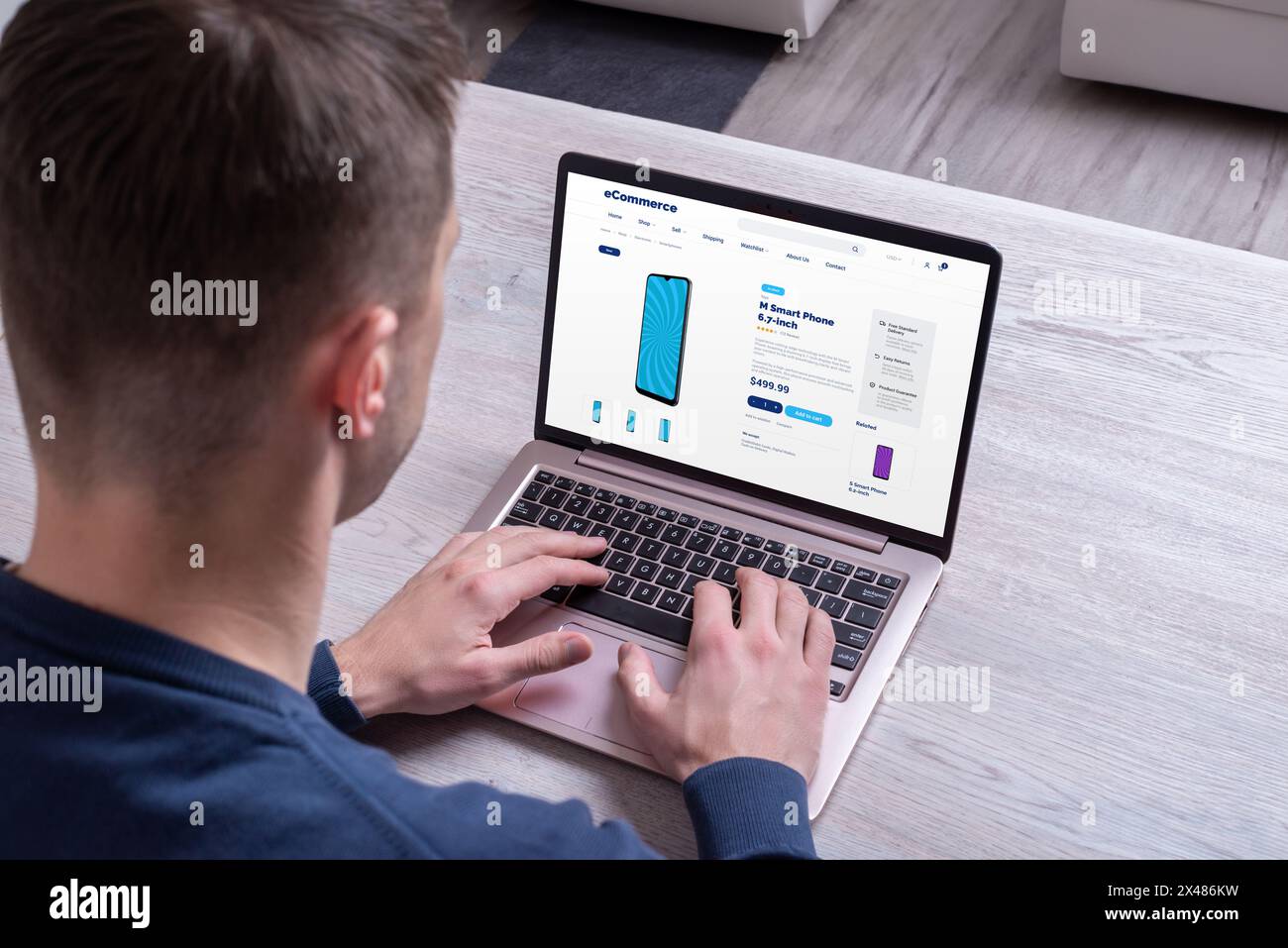
Affordable technology devices have made significant strides in recent years, incorporating premium features that were once exclusive to high-end models. This transformation allows consumers to enjoy advanced capabilities without straining their budgets. As technology progresses, manufacturers focus on providing more value in their budget offerings, ensuring that users do not have to compromise on essential features and performance.
The integration of premium features in budget devices often includes high-resolution displays, quality cameras, and powerful processors. These advancements allow users to experience capabilities that rival more expensive alternatives, making technology accessible to a broader audience. The performance specifications of budget devices are increasingly comparable to high-end models, offering a compelling reason to consider more economical choices.
High-Quality Displays and Durability
One of the standout features found in budget devices is the inclusion of high-quality displays. Many affordable smartphones and tablets now feature Full HD or even Quad HD resolution screens, providing vibrant colors and sharp images. This trend is vital for users who engage in multimedia consumption or gaming. Additionally, several budget devices incorporate durable materials such as Gorilla Glass, ensuring longevity and resistance to scratches.
Examples of budget devices that excel in this area include:
- Samsung Galaxy A52: This mid-range smartphone offers a stunning Super AMOLED display with a 90Hz refresh rate, ensuring smooth scrolling and vivid visuals at a fraction of the cost of flagship models.
- Xiaomi Redmi Note 10 Pro: Featuring a 108MP camera and an AMOLED display, this device provides premium photographic capabilities and an immersive viewing experience.
Advanced Camera Capabilities
The camera technology in budget devices has dramatically improved, bringing features like multiple lenses, night modes, and AI enhancements within reach of the average consumer. These advancements allow users to capture stunning photos and videos without investing in premium models.
Highlighted examples include:
- Google Pixel 5a: Known for its exceptional photography capabilities, the Pixel 5a includes a 12.2MP dual-pixel sensor paired with Google’s sophisticated software algorithms, allowing for outstanding low-light performance.
- OnePlus Nord N200 5G: This budget device stands out with its triple-camera setup, featuring a 13MP main sensor that captures clear and vibrant images.
Powerful Processors and Performance
Budget devices are increasingly equipped with powerful processors that deliver performance comparable to higher-priced options. This means users can enjoy seamless multitasking, gaming, and demanding applications without noticeable lag.
Key examples of budget devices with impressive processing power include:
- Motorola Moto G Power (2021): Equipped with a Snapdragon 662 processor, this device provides a smooth user experience and excellent battery life, making it ideal for everyday tasks.
- Realme 8: Featuring a MediaTek Helio G95 chipset, this smartphone is designed for gamers, offering robust performance and efficient power management.
Budget devices today combine high-quality features, powerful performance, and impressive durability, making them a smart choice for tech-savvy consumers.
Importance of Secure Checkout in E-commerce
In the rapidly evolving landscape of online shopping, secure checkout processes have become a cornerstone of consumer confidence and safety. As more shoppers turn to the internet for their purchasing needs, the implementation of robust security measures during financial transactions is not just beneficial but essential. A secure checkout process protects sensitive information, ensuring that consumers can shop with peace of mind.The significance of secure checkout processes lies in their ability to safeguard consumer data from various online threats, such as identity theft and credit card fraud.
By utilizing advanced encryption technologies and secure payment gateways, e-commerce platforms can provide a safe environment for transactions. These technologies not only protect the consumer’s personal information but also enhance the overall trust in the brand. For instance, businesses using SSL (Secure Sockets Layer) certificates ensure that the data transmitted between the consumer and the site is encrypted, preventing unauthorized access.
Technologies Ensuring Secure Online Transactions
Several technologies play a pivotal role in facilitating secure online transactions. Understanding these technologies can empower consumers to make informed decisions when shopping online. Notably, the following technologies are essential in providing secure checkout experiences:
- SSL Certificates: SSL encrypts the data exchanged between the customer and the website, ensuring that sensitive information remains confidential.
- Tokenization: This technology replaces sensitive data with unique identification symbols, or tokens, that retain essential information without compromising security.
- Two-Factor Authentication (2FA): By requiring a second form of verification, such as a text message code or authentication app, 2FA adds an extra layer of security to online transactions.
- Secure Payment Gateways: These gateways process credit card transactions securely, protecting customers' financial information from potential threats.
- Fraud Detection and Prevention Systems: Advanced analytics tools monitor transactions for suspicious activity, helping to identify and mitigate potential fraud before it affects customers.
The combination of these technologies provides a robust defense against cyber threats, making online shopping a safer experience for consumers.
Best Practices for Protecting Personal Information
Consumers also play a vital role in ensuring their own safety during online transactions. By adopting best practices, shoppers can significantly reduce the risk of their personal information being compromised. The following strategies are crucial for protecting oneself while making purchases online:
- Use Strong Passwords: Create complex passwords that mix uppercase, lowercase, numbers, and special characters, and change them regularly.
- Shop on Secure Websites: Look for URLs that begin with "https://" and include a padlock symbol in the address bar before entering personal information.
- Regularly Monitor Financial Statements: Keep an eye on bank and credit card statements for unauthorized transactions to address issues promptly.
- Avoid Public Wi-Fi for Transactions: Refrain from conducting financial transactions over unsecured public Wi-Fi networks, as they are vulnerable to interception.
- Be Wary of Phishing Scams: Always verify the source of emails and messages that request personal information or prompt you to click on links.
By following these best practices, consumers can enhance their security and maintain greater control over their personal information during online purchases.
Evaluating Consumer Preferences
In the current landscape of technology, consumers are increasingly discerning when it comes to selecting their devices. With a plethora of options available at various price points, understanding how consumers prioritize price, features, and security can provide valuable insights for brands and retailers alike. When it comes to affordable technology devices, consumers often seek a balance between cost and functionality.
Price-sensitive buyers are drawn to devices that offer premium features without breaking the bank. Research indicates that around 70% of consumers consider both the price and the features equally important when making a purchasing decision. This trend suggests a shift towards smart choices, where consumers are not only looking for the lowest price but also for the best value.
Consumer Prioritization of Security in Online Shopping
The importance of security in e-commerce cannot be overstated, as consumers are becoming more aware of the risks associated with online transactions. A recent survey revealed that 85% of shoppers prioritize security features such as encryption and secure payment options when selecting online retailers. Factors contributing to the emphasis on security include:
- Data Protection: Customers are increasingly concerned about the safety of their personal information, leading them to prefer retailers that provide transparent data handling practices.
- Brand Trust: Trust in a brand significantly influences purchasing decisions. Secure checkout processes enhance consumer confidence and encourage repeat business.
- Payment Options: A variety of secure payment methods (e.g., PayPal, credit cards with fraud protection) are preferred, as they provide an additional layer of security for consumers.
Surveys have shown that consumers are willing to pay a premium for products from brands that are perceived as secure. For instance, a study found that 65% of respondents chose to shop with brands that offer clear privacy policies and robust security measures, even if cheaper options existed elsewhere.
"Security features can be the deciding factor for 4 out of 5 online consumers when making a purchase."
Understanding these consumer preferences is vital for brands aiming to capture market share in the affordable technology segment. By focusing on delivering high-quality features at competitive prices while ensuring secure transactions, companies can enhance customer satisfaction and loyalty.
Enhancing User Experience with Affordable Devices

In today's fast-paced world, user experience is paramount, even in budget technology devices. Consumers are increasingly looking for gadgets that not only fit their financial constraints but also deliver seamless and satisfying interactions. Manufacturers are recognizing this demand and innovating ways to enhance user experience without escalating costs, making advanced technology accessible to all.User experience can be significantly enhanced in affordable devices through the incorporation of user-friendly features that prioritize ease of use and comfort.
These enhancements do not necessarily require a substantial increase in production costs, making them an ideal solution for budget-conscious consumers.
Incorporating User-Friendly Features
Innovation in budget devices can manifest through various user-friendly features that cater to a diverse audience. A few examples include:
- Intuitive User Interfaces: Simple and straightforward menu layouts enable users to navigate devices easily, reducing frustration and increasing satisfaction.
- Quick Access Buttons: Dedicated buttons for frequently used functions streamline tasks, allowing users to accomplish their goals faster.
- Customizable Settings: Allowing users to personalize their device settings promotes a more engaging and tailored experience.
- Voice Control: Integrating voice recognition technology assists users with accessibility needs, making devices easier to operate without physical interaction.
Ergonomic design plays a crucial role in ensuring comfort and usability in affordable devices. When devices are designed with the user's physical interaction in mind, it leads to prolonged usage without discomfort.
Importance of Ergonomic Design
An ergonomic approach not only improves user experience but also enhances the overall functionality of budget devices. Here are several factors that illustrate the significance of ergonomic design:
- Comfortable Grip: Devices with shapes and textures that fit comfortably in the user's hand minimize strain during extended use.
- Screen Positioning: Adjustable screen angles reduce glare and neck strain, making it easier for users to view content for longer periods.
- Lightweight Materials: Utilizing lightweight yet durable materials can make devices easier to carry and handle, enhancing portability for users.
- Optimized Button Layout: Strategically placed buttons can enhance usability, allowing for smoother interaction and less chance of accidental presses.
"Ergonomic design is not just about aesthetics; it’s about creating a connection between the user and the technology that feels natural and intuitive."
By integrating these features and focusing on ergonomic design, manufacturers successfully improve the user experience of affordable technology devices, ensuring that consumers enjoy premium experiences without overspending.
Strategies for Buying Affordable Technology Devices
In the ever-evolving world of technology, finding affordable devices that don't compromise on quality and features can seem like a daunting task. However, with the right strategies, consumers can navigate the marketplace effectively and uncover great deals without breaking the bank. These strategies not only help in identifying cost-effective options but also enhance the overall purchasing experience. One of the key aspects of acquiring affordable technology devices involves understanding how to assess quality against price.
By employing a systematic approach, consumers can ensure they're making informed choices.
Tips for Finding the Best Deals
Finding the best deals on technology devices requires a combination of research, timing, and resourcefulness. Here are some essential tips to guide consumers in their search for affordable technology:
- Research Online: Utilize price comparison websites to identify the best prices across various retailers.
- Sign Up for Newsletters: Many retailers offer exclusive discounts and promotions to their subscribers.
- Follow Social Media: Brands often announce flash sales and discounts on their social media platforms.
- Check Refurbished Options: Certified refurbished devices can offer significant savings while maintaining quality.
- Utilize Cashback Programs: Take advantage of cashback websites or credit card offers to get a percentage back on purchases.
Checklist for Assessing Device Quality Against Price
When considering a technology device, it is crucial to evaluate its quality in relation to its price. A well-structured checklist can help consumers make sound decisions:
- Brand Reputation: Research the manufacturer's reputation for quality and customer service.
- User Reviews: Look for genuine user feedback and ratings to gauge overall satisfaction.
- Warranty and Support: Ensure the device comes with a warranty and reliable customer support.
- Specifications: Compare specifications with competitor devices to assess value for money.
- Build Quality: Inspect the materials used in the device to determine its durability.
Timing Purchases to Maximize Savings
Knowing when to make a purchase can greatly influence the amount spent on technology devices. Key periods for maximizing savings include:
- Black Friday and Cyber Monday: Major sales events where devices often see significant discounts.
- End of Season Sales: Retailers often discount older models to make way for new stock.
- Back-to-School Sales: Ideal for students, these promotions often include laptops and other gadgets.
- Holiday Sales: Take advantage of holiday promotions, especially during festive seasons.
- New Model Releases: Prices on previous models drop when new versions are launched.
"Timing and thorough research are crucial in the quest for affordable technology without sacrificing quality."
Future Trends in Affordable Technology
The landscape of affordable technology is continually evolving, driven by innovations that enhance features while maintaining cost-effectiveness. As consumer demand for budget-friendly devices grows, manufacturers are focusing on producing high-quality gadgets that do not compromise on performance or security. This section explores the anticipated trends in affordable technology devices, considering sustainability, innovation, and their impact on future affordability.
Predicted Trends Affecting Affordability
The future of affordable technology devices is likely to be influenced by several key trends, which include advancements in manufacturing processes, the rise of competitive markets, and an increased focus on user-centric design. These factors are expected to result in lower production costs and enhanced device capabilities.
- Increasing Competition: As more companies enter the tech market, competition will drive prices down. Manufacturers like Xiaomi and Realme are already offering devices with premium features at lower price points.
- Advances in Manufacturing: Techniques such as 3D printing and automated assembly are reducing production costs, enabling companies to offer devices at more affordable prices while maintaining quality.
- Consumer Demand for Budget Devices: With a growing segment of consumers seeking affordable technology, market dynamics will push brands to innovate without significantly increasing prices.
Sustainability in Budget-Friendly Gadgets
Sustainability is becoming a pivotal aspect of technology manufacturing, and its integration into budget-friendly gadgets is essential for future trends. As consumers become more environmentally conscious, manufacturers are responding by adopting sustainable practices that also reduce costs.
- Use of Recycled Materials: Companies are increasingly sourcing materials from recycled sources, lowering environmental impact while keeping production costs in check.
- Energy-Efficient Devices: The development of energy-efficient technology not only helps in reducing the carbon footprint but also lowers operational costs for consumers, making gadgets more affordable in the long run.
- Longer Lifespans: Sustainable design focused on durability and upgradability ensures that consumers do not need to frequently replace their devices, leading to cost savings over time.
Innovations Enhancing Performance and Security
Future innovations in technology are expected to enhance both the performance and security of affordable devices. The integration of advanced technologies will play a crucial role in this aspect.
- AI and Machine Learning: The incorporation of AI can optimize device performance and personalize user experiences, making them more efficient without significantly increasing costs.
- Advanced Security Features: Innovations such as biometric authentication and end-to-end encryption are becoming more accessible, ensuring that budget devices can offer high levels of security.
- 5G Connectivity: As 5G technology becomes ubiquitous, affordable devices will benefit from faster internet speeds and improved connectivity, enhancing their functionality and user appeal.
FAQ Summary
What qualifies as an affordable technology device?
An affordable technology device typically costs less than the industry average while still delivering essential features and performance.
How can I ensure a secure checkout process while shopping online?
Look for websites that use HTTPS, check for security certifications, and consider using payment methods that offer buyer protection.
Are premium features really available in budget devices?
Yes, many manufacturers incorporate premium features such as high-resolution displays, advanced processors, and security technologies in affordable devices.
What are some tips for finding the best deals on technology devices?
Compare prices across multiple retailers, look for seasonal sales, and consider refurbished models for significant savings.
How do ergonomic designs impact user experience in budget devices?
Ergonomic designs enhance usability and comfort, ensuring users can engage with their devices for extended periods without discomfort, even at lower price points.