Buy AI Powered Technology Solutions With Automation And Predictive Analytics is the gateway to revolutionizing your business operations. In today's fast-paced digital landscape, harnessing the power of AI and automation is not just an advantage but a necessity. Discover how these cutting-edge solutions can supercharge efficiency and drive unprecedented growth in your organization. With predictive analytics at your fingertips, you can make informed decisions that propel your business forward.
As we delve deeper into the significance of AI technology, we will explore how automation enhances operational efficiency and the transformative benefits of predictive analytics. Join us in understanding the future of business technology and how you can be at the forefront of this exciting evolution.
Understanding AI Powered Technology Solutions

AI Powered Technology Solutions represent a transformative approach in the digital landscape, leveraging advanced technologies such as machine learning, natural language processing, and robotics to enhance business processes. These solutions are pivotal in enabling organizations to extract actionable insights from data, optimize operations, and drive innovation. By integrating various AI capabilities, businesses can make informed decisions, respond swiftly to market changes, and create personalized experiences for their customers.Automation serves as a cornerstone within AI powered technology solutions, significantly enhancing operational efficiency.
By automating repetitive tasks and processes, organizations can reduce human error and free up valuable resources for strategic initiatives. This integration allows for seamless workflows, where AI systems can take over mundane activities, while human talent focuses on higher-value tasks. Consequently, businesses not only save time but also experience increased productivity and improved employee morale.
Automation Integration with AI Solutions
The synergy between automation and AI solutions leads to a multitude of advantages that can revolutionize business operations. The following points highlight the significance of this integration:
- Increased Efficiency: Automation accelerates processes by handling routine tasks, enabling AI systems to analyze data and make decisions faster.
- Cost Reduction: Streamlining workflows through automation diminishes operational costs related to manual processes.
- Enhanced Accuracy: AI eliminates the risk of human error in data processing, leading to more reliable outcomes.
- Scalability: Automated AI solutions allow businesses to scale operations quickly without the need for proportional increases in human resources.
- Real-time Insights: Automation paired with AI ensures that data is processed in real-time, providing up-to-the-minute analytics for decision-making.
Benefits of Predictive Analytics
Predictive analytics is a powerful component of AI powered technology solutions, offering the ability to forecast future trends and behaviors based on historical data. Organizations can make proactive decisions that enhance competitive advantage and drive growth. The following benefits exemplify the value of predictive analytics:
- Data-Driven Decision Making: Organizations can leverage predictive models to make informed choices based on statistical data rather than intuition.
- Risk Management: By predicting potential challenges, businesses can implement strategies to mitigate risks and enhance resilience.
- Improved Customer Experience: Predictive analytics enables businesses to anticipate customer needs and personalize offerings, leading to greater satisfaction and loyalty.
- Operational Optimization: Insights from predictive models can lead to more efficient resource allocation and process improvements.
- Market Trend Identification: Organizations can stay ahead of the curve by recognizing emerging trends and adjusting strategies accordingly.
“The future belongs to those who prepare for it today.”
Leveraging AI powered technology solutions with automation and predictive analytics positions businesses not just to respond to current challenges but to anticipate future opportunities, ensuring they remain competitive in an ever-evolving marketplace.
Benefits of Automation in Technology Solutions
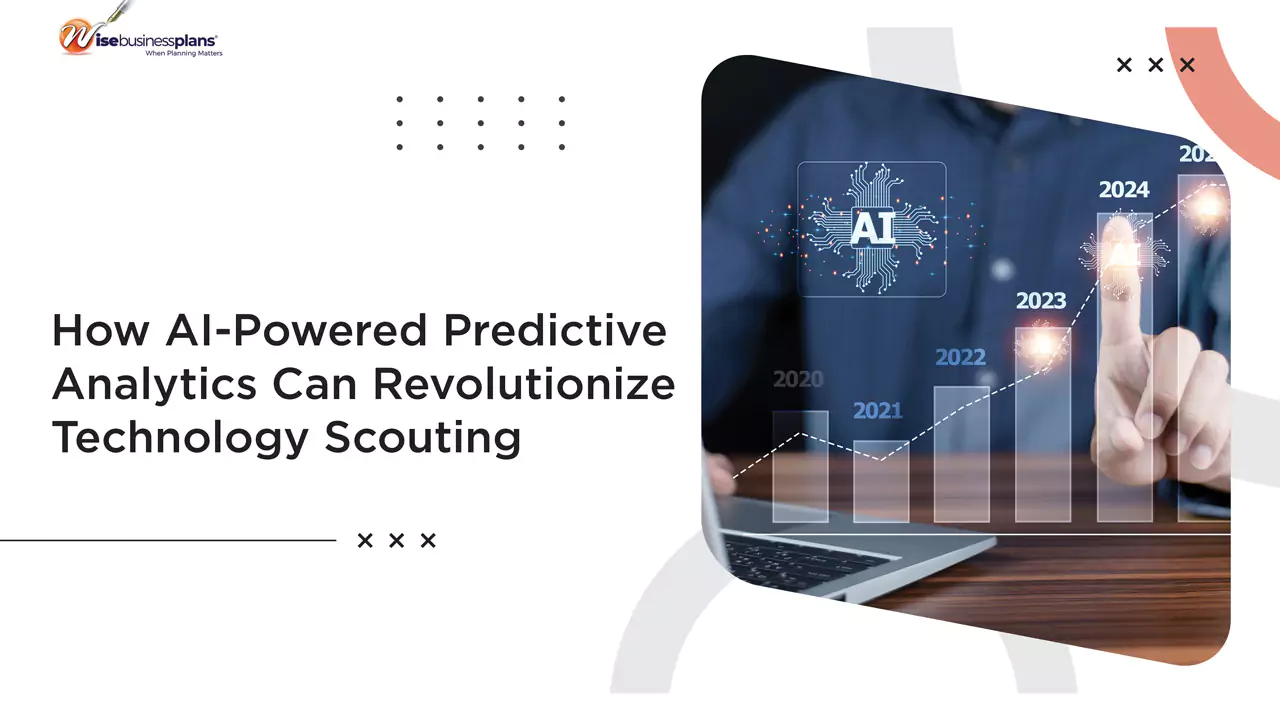
Automation has become a cornerstone of modern technology solutions, reshaping how businesses operate and compete in the fast-paced digital landscape. By leveraging AI-driven automation, organizations can streamline processes, reduce human error, and enhance overall efficiency. The integration of automation not only simplifies complex tasks but also enables companies to focus on strategic initiatives that drive growth and innovation.Incorporating automation into business processes yields significant advantages that extend beyond mere cost savings.
Organizations experience heightened efficiency, improved accuracy, and faster turnaround times, leading to a more agile operational environment. A report by McKinsey states that companies implementing automation can increase their productivity by up to 30%. This statistic underscores the transformative potential of automation, making it an indispensable component of successful technology solutions.
Key Industries Benefiting from Automation
Several sectors have successfully harnessed the power of automation, reaping remarkable rewards. The impact of automation can be seen across various industries, driving improvements in efficiency, customer satisfaction, and profitability. Below are some notable industries and their outcomes after adopting automated solutions:
- Manufacturing: Automation has revolutionized the manufacturing sector, with companies like Tesla experiencing a 20% reduction in production time due to automated assembly lines. This efficiency allows for rapid scaling and increased output without compromising quality.
- Healthcare: In healthcare, automated systems for patient data management have led to a 15% decrease in administrative costs, enabling healthcare providers to allocate resources more effectively and improve patient care.
- Finance: Financial institutions utilizing AI for fraud detection have reported a 40% reduction in false positives, streamlining their operations and enhancing customer trust while protecting against potential losses.
- Retail: Retailers implementing AI-powered inventory management systems have improved stock accuracy by 30%, which minimizes stockouts and excess inventory, ultimately boosting sales and customer satisfaction.
The implementation of automation can lead to a significant reduction in operational costs and an increase in overall productivity, offering businesses a competitive edge in today's market.
In conclusion, the benefits of automation in technology solutions extend beyond efficiency, encompassing improved accuracy and customer satisfaction. As organizations across various industries adopt these transformative technologies, the evidence continues to mount, showcasing the profound impact of automation on their operational success.
Exploring Predictive Analytics
Predictive analytics is a powerful tool that helps organizations make informed decisions based on historical data and trends. By utilizing advanced statistical algorithms and machine learning techniques, businesses can anticipate future outcomes, enhance operational efficiency, and optimize resource allocation. This transformative approach not only aids in decision-making but also empowers companies to stay ahead of their competition in an ever-changing market landscape.Predictive analytics involves analyzing current and historical data to identify patterns and trends.
This information is then used to forecast future events, consumer behaviors, and market dynamics. The methodologies employed in predictive analytics include regression analysis, time series analysis, and machine learning algorithms, which enable organizations to gain deeper insights into potential outcomes. By leveraging these techniques, businesses can improve their strategic planning and enhance customer satisfaction through tailored services and products.
Methodologies in Predictive Analytics
Understanding the various methodologies is crucial for effectively implementing predictive analytics. The following approaches are commonly used to forecast trends and behaviors:
- Regression Analysis: This statistical method examines the relationship between variables to predict outcomes. For instance, a retail company can use regression analysis to forecast sales based on variables such as seasonality and consumer trends.
- Time Series Analysis: Involves analyzing data points collected or recorded at specific time intervals. This technique is particularly useful for predicting future values based on past data. For example, an airline can predict passenger numbers based on historical flight data.
- Machine Learning Algorithms: These algorithms learn from data patterns and improve predictions as more data becomes available. Companies in finance often use machine learning for fraud detection by analyzing transaction patterns to identify anomalies.
Successful Applications of Predictive Analytics
The implementation of predictive analytics across various sectors has led to remarkable successes. Here are some compelling case studies:
- Healthcare Sector: A leading hospital utilized predictive analytics to reduce patient readmission rates. By analyzing patient data, the hospital identified high-risk patients and tailored post-discharge care, resulting in a 20% decrease in readmissions.
- Retail Industry: A major retail chain employed predictive analytics to enhance inventory management. By forecasting demand patterns during holidays, the chain was able to optimize stock levels, reducing excess inventory by 30% and increasing overall sales.
- Financial Services: A global bank integrated predictive analytics in their risk management system. By leveraging customer transaction data, the bank improved their ability to predict credit risks, significantly decreasing loan defaults by 15%.
Predictive analytics is not just a trend but a crucial element in modern business strategy, enabling organizations to leverage data for smarter, more strategic decision-making.
Implementing AI Technology Solutions
The implementation of AI-powered technology solutions is a transformative journey that can redefine the operational efficiency of businesses. To harness the full potential of AI, companies must take a structured approach to ensure successful integration and maximize return on investment. The steps necessary for businesses to adopt AI include thorough planning, vendor evaluation, integration strategies, and ongoing support. Each step is crucial in ensuring that the AI solution aligns with the company's goals and operational framework.
Steps for AI Technology Adoption
Adopting AI technology solutions requires a clear roadmap. Here are the key steps businesses should follow:
- Define Objectives: Clearly Artikel the goals you aim to achieve with AI integration, such as improving customer service or streamlining operations.
- Assess Current Infrastructure: Evaluate existing technology and data management systems to understand the compatibility with AI solutions.
- Research AI Solutions: Investigate various AI technologies that suit your objectives and operational needs.
- Engage Stakeholders: Involve key stakeholders in discussions to ensure alignment and support for AI initiatives across the organization.
- Pilot Testing: Implement a pilot program to evaluate the effectiveness of an AI solution on a smaller scale before a full rollout.
- Review and Optimize: Continuously monitor the performance of the AI solution and optimize based on feedback and results.
Checklist for Evaluating AI Technology Vendors
When selecting an AI technology vendor, it's essential to conduct a thorough evaluation. The following checklist can help businesses make informed decisions:
- Experience and Track Record: Assess the vendor's experience in the industry and success stories from previous implementations.
- Technology Compatibility: Ensure the vendor's solution is compatible with your existing systems and infrastructure.
- Scalability: Evaluate if the technology can scale with your business growth and evolving needs.
- Support and Training: Confirm that the vendor provides comprehensive support and training resources for your team.
- Cost Structure: Analyze the pricing model, including any hidden costs, to ensure it fits within your budget.
- Security and Compliance: Verify that the vendor adheres to industry standards for data security and regulatory compliance.
Integrating AI Solutions into Existing Frameworks
Successful integration of AI solutions requires strategic planning and execution. Here are strategies to facilitate this process:
“Integrating AI is not just about technology; it’s about transforming the way your business operates.”
Begin with identifying operational areas where AI can deliver immediate value and gradually expand the deployment. It is important to create cross-functional teams to foster collaboration between IT and business units, ensuring that AI applications meet real business needs. Additionally, invest in change management practices to support employees during the transition, addressing any resistance and highlighting benefits. Continuous training sessions will help your team stay updated on AI advancements and optimize use.Lastly, establish metrics to measure the effectiveness of AI integration, allowing for adjustments as necessary to align with evolving business objectives.
By following these strategies, businesses can seamlessly incorporate AI technologies into their everyday operations, driving efficiency and innovation.
Case Studies of Successful Implementations
In the evolving world of technology, many businesses have embraced AI-powered solutions to elevate their operations through automation and predictive analytics. These case studies showcase real-world applications that underscore the transformative effect of AI. By examining successful implementations, we can glean insights into the challenges faced and the remarkable outcomes achieved.
Retail Sector Transformation
One notable example of successful implementation is a leading retail chain that integrated AI solutions for inventory management. The company faced challenges in accurately forecasting product demand, which often led to stockouts or overstock situations. By utilizing predictive analytics, they were able to analyze customer purchasing patterns and external factors influencing sales.
Challenge
Inaccurate demand forecasting led to reduced sales and excess inventory.
Solution
The implementation of AI algorithms that processed historical sales data and predicted future trends.
Outcome
Post-implementation, the retailer reported a 30% reduction in stockouts and a 25% increase in sales, demonstrating a significant improvement in customer satisfaction and operational efficiency.
Manufacturing Efficiency Gains
A prominent automobile manufacturer adopted AI-driven automation to streamline its assembly line processes. Initially, the company struggled with production delays due to equipment malfunctions and inefficiencies in resource allocation.
Challenge
Production slowdowns caused by unanticipated equipment failures and lack of real-time data.
Solution
The company implemented an AI-powered predictive maintenance system that used sensors and machine learning to anticipate malfunctions before they occurred.
Outcome
This approach led to a 40% decrease in downtime and a 20% increase in overall production efficiency, allowing the company to meet market demands promptly.
Financial Services Innovation
A global bank leveraged AI to enhance its fraud detection capabilities. The challenge it faced was the increasing sophistication of fraudulent activities, which traditional systems struggled to identify effectively.
Challenge
Rising fraud incidents that previous detection systems failed to catch, resulting in financial losses.
Solution
By employing machine learning algorithms and analyzing transaction data in real-time, the bank developed an advanced risk assessment tool that flagged unusual behaviors.
Outcome
The bank achieved a 50% reduction in fraudulent transactions and increased customer trust, significantly enhancing its competitive edge in the financial services market.
Healthcare Predictive Insights
A leading healthcare provider adopted AI solutions to improve patient care through predictive analytics. The primary challenge was managing the vast amount of data generated from patient records, which made it difficult to identify at-risk patients.
Challenge
Difficulty in analyzing large datasets to proactively address patient health issues.
Solution
The implementation of an AI system that utilized predictive modeling to assess patient risk factors and health trends.
Outcome
The healthcare provider reported a 35% improvement in patient outcomes due to timely interventions, alongside a reduction in emergency admissions.
AI empowers businesses to transform challenges into opportunities, driving efficiency and enriching customer experiences.
Future Trends in AI and Automation
As AI technology continues to evolve, the landscape of automation is set to undergo significant transformations. Businesses that leverage these advancements will not only enhance operational efficiencies but also unlock new opportunities for growth. The following insights will delve into emerging trends in AI and automation, potential challenges and opportunities in predictive analytics, and strategies for businesses to prepare for the future.
Emerging Trends in AI Technology
The advancement of AI technology is leading to several key trends that will define the future of automation. The integration of AI with the Internet of Things (IoT) is facilitating the emergence of smart environments, where connected devices communicate and collaborate in real-time to optimize processes. Additionally, the rise of 'explainable AI' (XAI) is enhancing transparency, allowing businesses to understand and trust AI-driven decisions, thereby improving user adoption and compliance.
Challenges and Opportunities in Predictive Analytics
As predictive analytics technology evolves, it presents both challenges and opportunities for businesses. The growing volume of data necessitates advanced analytical tools capable of processing vast datasets efficiently. Furthermore, ensuring data privacy and security is paramount, as organizations must navigate increasingly stringent regulations. However, the opportunity lies in harnessing advanced machine learning algorithms to refine predictive models, resulting in more accurate forecasts that can significantly enhance decision-making.
Preparing for Future Developments in AI Powered Solutions
To effectively prepare for the future of AI-powered solutions, businesses should adopt a proactive approach. This involves investing in training and development for employees to enhance their understanding of AI technologies and their applications. Implementing agile methodologies can help organizations adapt to rapid changes in technology, allowing them to pivot and innovate more effectively. Additionally, forging strategic partnerships with AI solution providers can enable access to the latest advancements, ensuring that businesses remain competitive in an increasingly AI-driven market.
“The future of AI and automation is not just about efficiency; it is about creating intelligent systems that can learn, adapt, and innovate.”
Ethical Considerations in AI Implementation
As businesses increasingly adopt AI-powered technology solutions, the ethical implications of these advancements come to the forefront. The integration of artificial intelligence in various sectors presents both opportunities and challenges that can significantly impact society, individuals, and organizations. Understanding the ethical landscape is crucial to ensuring that these technologies are deployed responsibly and effectively.The use of AI technology solutions carries profound ethical considerations that must be addressed proactively.
Businesses can leverage AI's capabilities while maintaining societal trust and compliance with ethical standards. Key ethical concerns include data privacy, bias in algorithms, and the potential for job displacement. Therefore, implementing best practices is essential to navigate these challenges and promote responsible use.
Best Practices for Responsible Use of Automation and Predictive Analytics
Establishing a framework for ethical AI usage not only helps mitigate risks but also enhances the overall efficacy of technology solutions. The following best practices are fundamental to ensuring responsible deployment:
- Data Privacy Protection: Organizations must prioritize the safeguarding of personal data. Implementing robust security measures and adhering to regulations such as GDPR ensures that user information is handled with care.
- Bias Mitigation: AI systems can inadvertently perpetuate existing biases. Conducting thorough audits of algorithms and training datasets helps identify and eliminate biases, promoting fairness and inclusivity.
- Transparency in Algorithms: Providing clear explanations of how AI systems make decisions fosters trust. Users should be able to understand the criteria and data that inform AI outputs.
- Continuous Monitoring: Regular assessment of AI systems is vital to ensure they operate within ethical guidelines. This includes evaluating the impact of AI on stakeholders and making necessary adjustments.
- Stakeholder Engagement: Involving diverse groups in the AI development process encourages varied perspectives. This collaborative approach enriches the design and implementation of AI solutions, addressing potential ethical concerns.
“Ethical AI is not just about technology; it's about the values we uphold as a society.”
The significance of transparency and accountability cannot be overstated in AI decision-making processes. As organizations rely more on automation and predictive analytics, they must commit to openly communicating how decisions are made and the policies governing such processes. This commitment is vital for fostering trust among customers, employees, and other stakeholders.In summary, the ethical implementation of AI-powered technology solutions is fundamental to harnessing their full potential while aligning with societal values.
By adhering to best practices, businesses can navigate ethical challenges, ensuring their innovations contribute positively to the world around them.
Cost-Benefit Analysis of AI Solutions
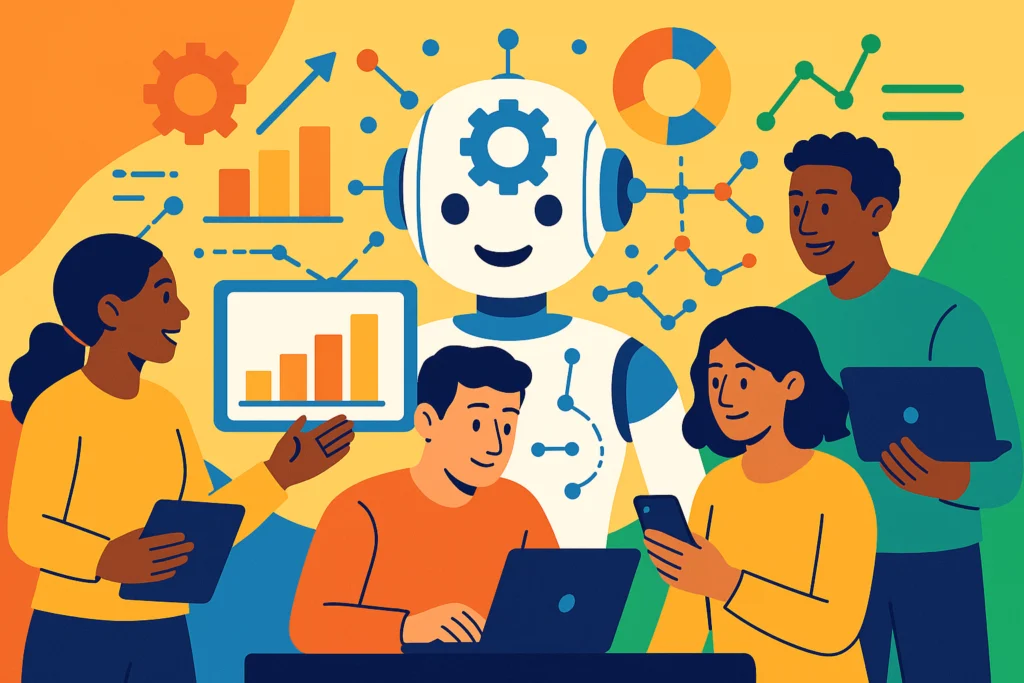
Conducting a cost-benefit analysis (CBA) for AI-powered technology solutions is essential for organizations seeking to understand the financial implications of implementing such innovations. This analysis helps in assessing both the costs incurred during implementation and the benefits gained from automation and predictive analytics. A thorough CBA enables businesses to make informed decisions, ensuring they maximize returns on their investment in AI technologies.To perform a precise cost-benefit analysis, consider the following structured method:
Step-by-Step Method for Cost-Benefit Analysis
The following steps Artikel an effective approach to evaluate the costs and benefits associated with AI solutions:
1. Identify Costs
Gather all potential costs related to the implementation of AI technologies. These can include initial software purchases, hardware upgrades, training staff, and ongoing maintenance.
Initial investments coupled with ongoing operational costs must be comprehensively documented to ensure accurate analysis.
2. Quantify Benefits
Estimate the expected benefits from implementing AI solutions. Benefits may include increased productivity, reduced labor costs, and enhanced decision-making capabilities driven by predictive analytics.
Understanding the potential for revenue growth and cost savings is crucial in measuring the overall impact of AI.
3. Calculate Net Benefit
Subtract total costs from total benefits to determine the net benefit. This figure will provide a clear picture of the financial viability of the AI initiative.
4. Assess Timeframe
Define the timeframe for analysis. Benefits may accrue over months or years. Ensure to consider the time value of money when calculating long-term investments.
5. Measure ROI
Determine the return on investment (ROI) by using the formula:
ROI = (Net Profit / Total Costs) x 100%
This will allow stakeholders to see the percentage return expected from the AI investment.
Examples of Costs versus Expected Benefits
Understanding the financial implications of AI technology requires concrete examples of costs incurred versus the anticipated benefits:
Cost Example
Implementation of a predictive analytics platform may involve a one-time software licensing fee of $50,000 and an additional $30,000 for staff training and integration, totaling $80,000.
Benefit Example
The expected benefits from using predictive analytics might include a 20% increase in sales over the first year, translating to an additional $200,000 in revenue, alongside operational cost savings of $50,000, resulting in total benefits of $250,000.With the above calculations, the net benefit becomes $170,000, leading to an ROI of 212.5%.
Measuring ROI from Automation and Predictive Analytics Initiatives
Measuring the ROI from automation and predictive analytics involves continuous monitoring of performance metrics. Here are key aspects to consider:
Performance Metrics
Identify specific KPIs such as cost savings, revenue generation, and time efficiency improvements resulting from automation.
Ongoing Evaluation
Regularly assess the performance of AI solutions against established KPIs to capture evolving benefits over time. This includes measuring changes in operational efficiency and employee productivity.
User Feedback
Collect feedback from end-users to gauge the real-world impact of AI solutions on workflow and decision-making.By implementing a structured cost-benefit analysis and calculating ROI, organizations can effectively justify their investment in AI-powered technology solutions, ensuring that they leverage automation and predictive analytics to their fullest potential.
Frequently Asked Questions
What are AI powered technology solutions?
AI powered technology solutions utilize artificial intelligence to improve processes, enhance decision-making, and drive operational efficiency.
How does automation enhance productivity?
Automation streamlines repetitive tasks, reduces human error, and allows employees to focus on more strategic activities, resulting in increased productivity.
What is predictive analytics?
Predictive analytics uses historical data and algorithms to forecast future trends, enabling businesses to make informed decisions proactively.
How can businesses implement AI technology?
Businesses can implement AI technology by assessing their needs, selecting appropriate vendors, and integrating solutions into existing processes.
What are the ethical considerations of using AI?
Ethical considerations include ensuring transparency in decision-making, accountability for outcomes, and responsible use of data.