Step into the future with the latest innovations in technology! Buy Future Technology Devices With AI Integration And Smart Performance showcases the groundbreaking advancements that redefine our daily interactions. These devices not only enhance convenience but also elevate user experiences, thanks to seamless AI integration that optimizes performance, efficiency, and functionality.
From smart home gadgets that manage your environment to wearables that track your health, the integration of AI is revolutionizing how we live and work. Imagine a world where your devices anticipate your needs, making life easier and more enjoyable. Join us as we explore the incredible benefits and features these futuristic devices offer.
Introduction to Future Technology Devices
In a world that is rapidly evolving, future technology devices represent the forefront of innovation, seamlessly integrating into our everyday lives to enhance convenience, efficiency, and productivity. These devices are not just tools; they are intelligent companions that understand and adapt to our needs, ushering in a new era of interaction and functionality. The significance of these advanced technologies lies in their ability to transform how we work, communicate, and engage with the environment around us.AI integration plays a pivotal role in amplifying the capabilities of future technology devices.
By utilizing machine learning algorithms and advanced data analytics, these devices can make real-time decisions, provide personalized experiences, and automate routine tasks. This not only saves time but also increases accuracy and enhances the overall user experience. The convergence of AI with cutting-edge hardware brings forth a plethora of devices that are redefining the limits of what technology can achieve.
Examples of Future Technology Devices
To illustrate the impact of future technology devices, consider the following examples that exemplify their advanced capabilities and smart performance:
1. Smart Home Assistants
Devices like Amazon Echo and Google Home utilize AI to understand voice commands, manage home automation, and provide personalized responses. They learn user preferences over time, creating a more tailored experience.
2. Wearable Health Tech
Smartwatches, such as the Apple Watch and Fitbit, integrate AI to monitor health metrics like heart rate and sleep patterns. These devices provide insights and alerts to help users maintain their health proactively.
3. Autonomous Vehicles
Companies like Tesla and Waymo are leading the charge in AI-powered self-driving cars that analyze real-time data from their surroundings to navigate roads safely and efficiently, showcasing the potential for safer and smarter transportation.
4. Smartphones with AI Features
Modern smartphones incorporate AI to enhance camera functionalities, optimize battery usage, and provide smart assistants that improve user interaction and task management.
5. Intelligent Robotics
Robots powered by AI, such as those used in manufacturing or healthcare, can perform complex tasks with precision and adapt to changing environments, increasing productivity and safety.The amalgamation of these devices into our daily lives not only simplifies tasks but also opens up new avenues for innovation and growth, setting the stage for future advancements in technology.
Benefits of AI Integration in Technology
The integration of Artificial Intelligence (AI) into technology devices is revolutionizing the way we interact with our gadgets and systems. With advanced algorithms and machine learning capabilities, AI enhances the user experience, making devices smarter, more efficient, and capable of understanding user preferences like never before. This transformation is not just a trend; it's a fundamental shift in how technology operates and serves its users.AI integration significantly improves operational efficiency by automating processes, allowing devices to perform tasks faster and with greater accuracy.
In addition, AI-enabled devices can learn from user behavior, adapting to individual needs and optimizing performance accordingly. This leads to a more intuitive user experience where devices anticipate needs and streamline interactions.
Enhanced User Experience Through Personalization
AI's capability to analyze user data enables a high level of personalization, enhancing user satisfaction. This personalization manifests in various ways, such as:
- Smart recommendations based on usage patterns, enabling users to discover new features effortlessly.
- Adaptive interfaces that change according to user preferences and behaviors, making technology more accessible.
- Proactive alerts and notifications that keep users informed without overwhelming them.
A study by McKinsey found that companies leveraging AI for personalized customer experiences saw a 10% increase in customer satisfaction within the first year of implementation. This demonstrates the tangible benefits of integrating AI for a more tailored interaction with technology.
Operational Efficiency and Performance Improvements
AI integration also leads to significant operational efficiencies, particularly in device performance. By automating routine tasks and optimizing processes, AI allows devices to operate with minimal human intervention. This results in:
- Increased speed in data processing, enabling real-time analytics and rapid decision-making.
- Reduced error rates, as machines can perform repetitive tasks with precision.
- Energy savings through smart energy management, where devices learn to optimize their power consumption based on usage patterns.
According to the International Data Corporation (IDC), organizations that embrace AI technologies can experience productivity gains of up to 40%, further solidifying the importance of AI integration in modern devices.
Decision-Making Capabilities Enhanced by AI
AI's impact on decision-making capabilities cannot be overstated. By analyzing vast amounts of data quickly, AI systems can provide insights that lead to better-informed decisions. This is particularly evident in sectors such as healthcare and finance, where timely and accurate decisions are critical.
- AI algorithms analyze medical data to assist doctors in diagnosing diseases more accurately.
- In finance, AI systems can predict market trends, enabling firms to make proactive investment decisions.
- Manufacturers leverage AI for predictive maintenance, reducing downtime and extending equipment lifespan.
A report from PwC indicates that AI could contribute over $15 trillion to the global economy by 2030, highlighting the transformative power of AI in enhancing decision-making capabilities across various industries.
Categories of Future Technology Devices
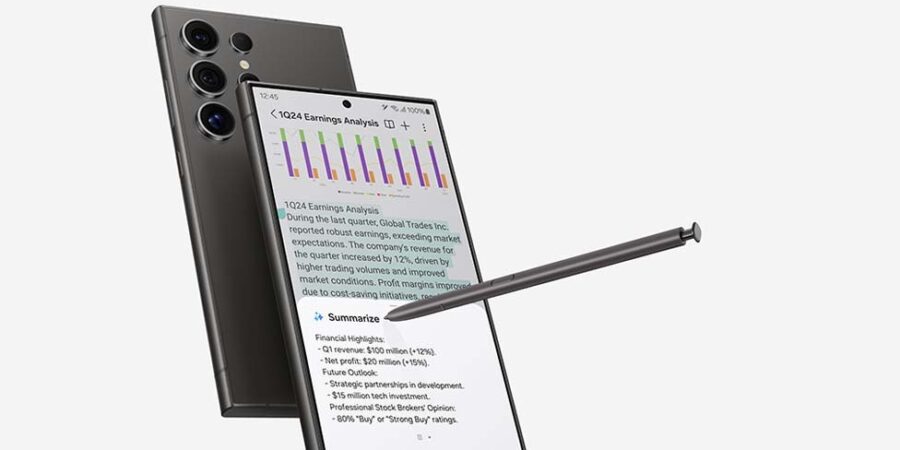
The landscape of technology is rapidly evolving, bringing forth an array of devices that integrate artificial intelligence and smart performance. These devices are categorized into several key areas, each contributing uniquely to our daily lives and interactions. Understanding these categories can help consumers make informed choices about the devices that can enhance their lifestyle and productivity.Future technology devices can be broadly divided into three categories: smart home devices, wearables, and autonomous vehicles.
Each category embodies innovative features and functionalities aimed at improving efficiency, convenience, and connectivity in various aspects of life.
Smart Home Devices
Smart home devices are designed to automate tasks and improve energy management within the home environment. They utilize AI technology to learn user preferences and adapt to them seamlessly. Below is a table showcasing various smart home devices and their key features:
| Device | Key Features |
|---|---|
| Smart Thermostat | Learning capabilities, remote control, energy usage reports |
| Smart Security Camera | Real-time alerts, motion detection, cloud storage |
| Smart Light Bulbs | Color changing, scheduling, voice control |
One standout device in this category is the Nest Learning Thermostat. This device not only adjusts the temperature based on your habits but also helps reduce energy consumption by learning your schedule. Another remarkable device is the Ring Video Doorbell, which provides real-time video feeds and two-way communication, enhancing home security and convenience.
Wearables
Wearable technology encompasses devices that integrate seamlessly into daily wear, offering health tracking and connectivity features. These devices are particularly popular due to their ability to monitor vital signs and provide notifications. Below is a table that highlights notable wearables and their functionalities:
| Device | Key Features |
|---|---|
| Smartwatch | Fitness tracking, notifications, GPS navigation |
| Fitness Tracker | Heart rate monitoring, sleep tracking, step counting |
| Smart Glasses | Augmented reality, hands-free notifications, navigation assistance |
The Apple Watch Series 7 stands out in the smartwatch category, offering advanced health monitoring features such as ECG and blood oxygen level tracking. Another noteworthy device is the Fitbit Charge 5, which provides comprehensive insights into fitness and sleep, helping users maintain a healthy lifestyle.
Autonomous Vehicles
Autonomous vehicles represent the pinnacle of AI integration, offering promising advancements in transportation. These vehicles use sophisticated algorithms and sensors to navigate and operate without human intervention. The following table Artikels key examples and features of autonomous vehicles:
| Vehicle | Key Features |
|---|---|
| Self-Driving Car (e.g., Tesla Model S) | Autopilot functionality, lane-keeping, obstacle detection |
| Autonomous Delivery Robots | Last-mile delivery, obstacle avoidance, remote monitoring |
| Self-Driving Buses | Route optimization, passenger safety features, real-time updates |
The Tesla Model S showcases advanced self-driving capabilities with its Autopilot system, enabling users to experience semi-autonomous driving. Additionally, Nuro's autonomous delivery robots are revolutionizing last-mile logistics, providing efficient deliveries while operating independently on city streets.
The Role of Smart Performance

Smart performance in technology devices refers to the ability of these devices to operate efficiently, adaptively, and responsively under varying conditions and user interactions. It encompasses a range of functionalities that enhance the overall experience for the user while ensuring optimal resource usage. As the tech landscape evolves, smart performance becomes increasingly critical, serving as a benchmark for innovation and user satisfaction.Smart performance significantly impacts efficiency, reliability, and user satisfaction.
Devices that exhibit smart performance are designed to learn from user behavior, optimize processes, and adjust functionalities in real-time. This leads to reduced operational costs, minimized downtime, and a seamless user experience. The integration of artificial intelligence (AI) plays a pivotal role in enhancing smart performance, enabling devices to analyze data and respond to changes proactively. For example, smart thermostats learn user preferences and adjust heating or cooling accordingly, leading to energy savings and improved comfort.
Examples of Technologies Achieving Smart Performance
Several technologies have successfully achieved benchmarks in smart performance, illustrating the practical applications and benefits of this approach. These examples highlight how smart performance can transform everyday devices into intelligent solutions that enhance user experience and efficiency.
- Smart Home Devices: Devices like Amazon Echo and Google Nest use AI to learn commands and preferences, providing personalized responses and automating tasks around the home.
- Wearable Technology: Fitness trackers, such as Fitbit, analyze user data to offer insights and recommendations for health improvement, adapting to the user's lifestyle changes.
- Smart Appliances: Refrigerators equipped with AI can monitor food inventory, suggest recipes based on available ingredients, and notify users when items are running low, enhancing convenience and minimizing waste.
- Automotive Technologies: Modern vehicles utilize AI-driven systems for navigation and safety features, enabling adaptive cruise control and collision avoidance, which enhance driving safety and comfort.
- Smartphones: Devices like the latest iPhones and Androids implement AI to optimize battery usage, manage tasks, and enhance photography through intelligent scene recognition and adjustment.
“Smart performance is not just about speed; it’s about creating an intuitive experience that anticipates user needs and delivers seamless functionality.”
Trends in Future Technology Development
As we navigate the landscape of technological innovation, several current trends are shaping the development of future technology devices with AI integration. The convergence of AI with emerging technologies is not only enhancing performance but also redefining how we interact with devices in our daily lives. The emphasis on user experience, automation, and connectivity is driving the evolution of smarter, more efficient devices.The advancements in AI technology are pivotal in influencing future devices through increased computational power, improved algorithms, and more sophisticated data analytics.
These developments enable devices to respond intelligently to user demands, improve operational efficiencies, and create personalized experiences.
Current Trends Influencing AI-Integrated Devices
Several key trends are revolutionizing the future of technology devices embedded with AI capabilities. These trends are paving the way for innovations that will significantly impact various sectors and consumer experiences:
- Edge Computing: The shift towards processing data closer to the source is reducing latency and bandwidth use, allowing for faster, real-time decision-making in devices such as IoT sensors and smart home systems.
- AI-Driven Automation: Enhanced automation in manufacturing and service industries is streamlining operations and improving productivity through predictive maintenance and smart resource allocation.
- Personalization: AI algorithms are increasingly tailored to individual user preferences, resulting in smarter virtual assistants and personalized recommendations in devices from smartphones to smart TVs.
- Interconnectivity: The rise of 5G technology is enabling seamless communication between devices, enhancing the functionality of smart homes and connected vehicles.
- Sustainability Focus: Future technology devices are being designed with energy efficiency in mind, utilizing AI to optimize energy consumption and minimize environmental impact.
The next five years hold significant promise for advancements in AI technology that could revolutionize our interaction with devices. Innovations predicted include:
- Advanced Natural Language Processing: AI will achieve more human-like understanding and generation of language, improving communication with virtual assistants.
- Improved Augmented Reality Experiences: Devices will leverage AI to create more immersive AR environments, enhancing applications in gaming, education, and training.
- Smart Health Monitoring: Wearable devices will become increasingly sophisticated, utilizing AI for continuous health tracking and predictive health analytics.
- AI-Powered Robotics: Robotics will evolve with AI integration, facilitating more complex tasks in fields such as healthcare, logistics, and manufacturing.
- Enhanced Data Privacy Solutions: AI-driven security measures will evolve to better protect user data, addressing growing concerns about privacy in a connected world.
These trends underline the dynamic nature of technology development and its potential to reshape industries and everyday life. By embracing these innovations, consumers can expect a future where technology devices not only meet their needs but anticipate them with smart performance and AI integration.
Challenges in Integrating AI into Devices
The integration of AI into technology devices brings immense potential, but it also presents several challenges that developers must navigate. These challenges encompass technical, ethical, and operational aspects that can hinder the seamless functionality and proliferation of AI-enhanced products.A major hurdle in integrating AI within devices is the complexity of developing algorithms that can effectively process large amounts of data in real-time.
These algorithms must be tailored specifically to the device's functions, which requires a deep understanding of both the technology and the user's needs. Additionally, ensuring that these devices can operate efficiently without excessive power consumption is a significant concern.
Security Concerns Related to AI and Smart Performance
As AI devices become more prevalent, security concerns are increasingly at the forefront. Integrating AI systems into technology devices can create vulnerabilities that malicious actors may exploit. These concerns are rooted in the following aspects:
Data Privacy
AI devices often collect vast amounts of personal data, making them attractive targets for cyberattacks. Protecting this data is crucial to maintain user trust and compliance with regulations like GDPR.
Vulnerability to Attacks
AI systems can be manipulated through adversarial attacks, where inputs are subtly altered to deceive the model, leading to incorrect functioning or exploitation of the device.
Lack of Transparency
Many AI algorithms operate as "black boxes," where the decision-making process is not transparent. This opacity can complicate accountability when security breaches occur.To address these security challenges, several approaches can be implemented:
Robust Encryption
Employing strong encryption protocols to secure data during transmission and storage helps protect against unauthorized access.
Regular Software Updates
Continuously updating software ensures that known vulnerabilities are patched, and new security measures are implemented.
Transparent AI Models
Developing interpretable AI models allows for better understanding and trust in AI decisions, making it easier to identify and rectify security flaws.By focusing on these solutions, manufacturers can enhance the reliability and safety of AI-integrated technology devices while ensuring a secure user experience.
Future Possibilities and Innovations
The horizon of technology is ever-expanding, with innovative advancements poised to reshape the landscape of AI integration in devices. As we venture further into the future, the fusion of artificial intelligence and everyday technology promises to enhance our lives in unprecedented ways, offering features that were once relegated to the realm of science fiction.Anticipated innovations in AI technology are expected to elevate the capabilities of devices, merging enhanced functionalities with user-friendly experiences.
For example, the next generation of smart home devices may utilize advanced AI algorithms to predict user preferences, automate routines, and optimize energy consumption seamlessly. Furthermore, wearable technology is likely to evolve into sophisticated health-monitoring devices that not only track vital signs but also employ predictive analytics to provide warnings about potential health issues before they arise.
Comparison of Current Devices and Future Innovations
A detailed comparison between the capabilities of current devices and the anticipated innovations reveals a significant leap in features and functionalities. The following table highlights these differences, showcasing the transformative potential of future technology:
| Device Type | Current Features | Future Innovations |
|---|---|---|
| Smart Thermostats | Basic scheduling, remote control | AI-driven climate prediction, self-learning capabilities |
| Wearable Fitness Trackers | Step counting, heart rate monitoring | Real-time health diagnostics, disease risk prediction |
| Voice Assistants | Voice recognition, task management | Natural language understanding, multi-personality interactions |
| Smart Home Security Systems | Motion sensors, remote alerts | Facial recognition, predictive threat analysis |
The societal implications of adopting widespread AI technology into everyday devices are profound. As these innovations permeate various aspects of life, they are likely to enhance efficiency and convenience. However, with this transition comes the necessity for ethical considerations surrounding privacy, data security, and the potential for job displacement due to automation.
"The integration of AI in daily technology not only enhances user experience but also requires a collective responsibility to ensure that ethical standards are maintained."
As we embrace these advancements, it becomes imperative to engage in thoughtful discourse about their implications, ensuring that technology serves humanity's best interests while fostering a future that prioritizes innovation, inclusivity, and ethical responsibility.
Answers to Common Questions
What types of devices are included in future technology?
Future technology devices include smart home gadgets, wearables, and autonomous vehicles, each designed to enhance everyday life through innovative features.
How does AI enhance device performance?
AI enhances device performance by improving user experience, increasing operational efficiency, and enabling advanced decision-making capabilities.
What are the main categories of future technology devices?
The main categories include smart home devices, wearable technology, and autonomous vehicles, each tailored to meet specific user needs.
Are there security concerns with AI-integrated devices?
Yes, security concerns exist, particularly regarding data privacy and device vulnerabilities, but solutions are being developed to address these challenges.
What future advancements can we expect in AI technology?
Future advancements may include enhanced machine learning capabilities, improved natural language processing, and more intuitive user interfaces.