Unlock the future of your business with Get Advanced Digital Marketing Services With AI Driven Optimization Tools! In today's fast-paced digital landscape, integrating sophisticated marketing services is crucial for staying ahead. These AI-driven tools not only streamline your marketing efforts but also amplify your reach and engagement, making them indispensable in crafting effective strategies.
Imagine harnessing the power of AI to enhance customer experiences, optimize ad spend, and boost conversion rates. With real-world examples of businesses thriving through these advanced strategies, the potential for growth is immense. Join us as we delve into the transformative power of AI in digital marketing!
Introduction to Advanced Digital Marketing Services
In today's rapidly evolving business landscape, integrating advanced digital marketing services has become crucial for staying competitive. As consumer behaviors change and technology advances, businesses must adapt their marketing strategies to engage effectively in a digital-first world. This adaptation not only enhances brand visibility but also drives customer engagement and conversion rates.AI-driven optimization tools play a pivotal role in this transformation.
These tools leverage data analytics, machine learning, and automation to refine marketing efforts and tailor campaigns to individual consumer preferences. By utilizing these advanced technologies, businesses can optimize their strategies in real-time, maximizing their return on investment (ROI) and achieving better outcomes.
Examples of Successful Implementations
Numerous businesses have successfully integrated advanced digital marketing services powered by AI-driven optimization tools, showcasing tangible benefits and improved performance. Below are notable examples:
Amazon
By employing machine learning algorithms, Amazon personalizes product recommendations for each user based on their browsing history and purchase behavior. This tailored approach has significantly increased sales conversion rates, showcasing the value of AI in e-commerce.
Netflix
Utilizing sophisticated algorithms, Netflix analyzes viewer behavior to recommend shows and movies, creating a personalized experience that keeps users engaged and subscribed. This strategy has proven essential in retaining customers in a competitive streaming market.
Coca-Cola
Through advanced analytics and AI tools, Coca-Cola has enhanced its targeted advertising campaigns. By analyzing social media interactions and consumer data, they effectively reach audiences with tailored content, improving brand engagement and customer loyalty.
Sephora
This beauty brand leverages AI-driven chatbots on its website and mobile app to provide personalized product recommendations and beauty tips. This not only improves customer experience but also boosts sales through customized marketing strategies.Incorporating advanced digital marketing services with AI optimization tools not only enhances marketing effectiveness but also positions businesses to thrive in a data-centric market.
Understanding AI-Driven Optimization Tools
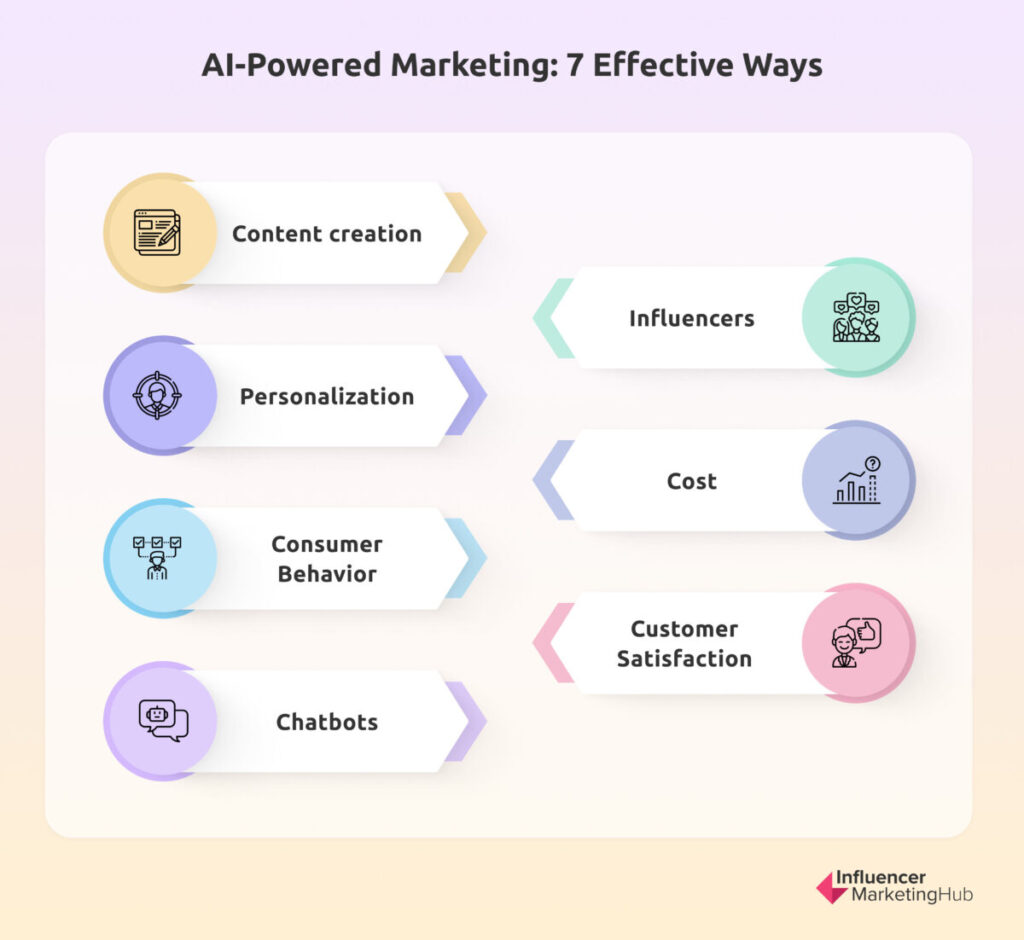
AI-driven optimization tools have revolutionized the landscape of digital marketing, enabling businesses to streamline their strategies and personalize their approaches. These advanced technologies leverage machine learning and data analytics to enhance marketing effectiveness, making it crucial for organizations to understand their functionalities and benefits.AI-driven optimization tools come in various forms, each tailored to specific aspects of digital marketing. By recognizing the different types available, marketers can select the best tools suited for their needs, ultimately driving better results.
Types of AI-Driven Optimization Tools
Several categories of AI-driven optimization tools exist in the market, each providing unique functionalities that cater to distinct marketing objectives. Understanding these types is essential for effectively implementing AI in your marketing strategy.
- Predictive Analytics Tools: These tools analyze historical data to forecast future trends, helping marketers make informed decisions based on expected consumer behavior.
- Content Optimization Tools: Utilizing natural language processing, these tools analyze content performance to suggest improvements, ensuring that marketing messages resonate with target audiences.
- Ad Targeting and Personalization Tools: By leveraging AI algorithms, these tools optimize ad placements and personalize content based on user preferences, enhancing engagement rates.
- Optimization Tools: These provide insights on performance and on-page factors, allowing marketers to refine their strategies for improved search rankings.
- Chatbots and Virtual Assistants: AI-powered chatbots facilitate real-time customer interactions, providing instant support and personalized recommendations based on user data.
The functionalities of these tools can vary significantly, with some focused on data analysis and others on user engagement or content delivery. Each tool, while serving different purposes, ultimately works towards enhancing the overall marketing strategy.
“AI technologies empower businesses to turn data into actionable insights, fostering better engagement and higher conversion rates.”
Benefits of AI Technologies in Digital Marketing Strategies
Integrating AI technologies into digital marketing strategies offers numerous advantages that contribute to enhanced performance and efficiency. These benefits help businesses stay competitive in a rapidly evolving landscape.
- Increased Efficiency: AI tools automate repetitive tasks, allowing marketing teams to focus on creative and strategic projects instead of manual data processing.
- Enhanced Personalization: By analyzing customer data, AI can provide tailored experiences, improving customer satisfaction and loyalty.
- Better Decision-Making: AI-driven insights enable marketers to make data-backed decisions, reducing the reliance on intuition alone.
- Cost-Effective Marketing: By optimizing ad spending and improving targeting accuracy, businesses can achieve better return on investment (ROI).
- Real-Time Insights: AI tools provide immediate feedback on campaign performance, allowing marketers to make prompt adjustments for optimal outcomes.
The adoption of AI-driven optimization tools is not just a trend; it is a pivotal shift in how marketing strategies are developed and executed. By harnessing these advanced technologies, companies can achieve greater success and elevate their digital marketing efforts to new heights.
Benefits of AI in Digital Marketing
The integration of artificial intelligence (AI) into digital marketing has revolutionized the way businesses connect with their customers. By harnessing data and predictive analytics, marketers can optimize their strategies, leading to enhanced customer experiences and improved overall performance. The benefits of AI in digital marketing are profound, offering personalized experiences that resonate with individual consumers and drive measurable results.
Enhanced Customer Personalization
AI has a remarkable ability to analyze vast amounts of data to create personalized marketing campaigns. It allows businesses to segment their audiences based on behavior, preferences, and purchasing patterns, enabling tailored messaging that speaks directly to each consumer's needs. For instance, AI-driven tools can analyze previous interactions and purchase history to recommend products that align with a customer’s interests.
This not only elevates user experience but also fosters a deeper emotional connection between brands and consumers.
Statistical evidence indicates that personalized marketing can yield conversion rates as high as 10 times greater than non-personalized efforts.
Improvement of Conversion Rates
The effectiveness of AI in boosting conversion rates is evident in various studies and industry reports. Research demonstrates that businesses employing AI-driven marketing strategies witness substantial improvements in their conversion metrics. For example, companies that leverage AI tools for predictive analytics have reported an increase in conversion rates by an average of 20% or more. By predicting customer behavior, marketers can optimize their campaigns in real-time, ensuring messages reach the right audience at the right moment.
According to a report by McKinsey, firms using AI in their marketing strategies can achieve a 50% increase in lead generation and a 60% increase in sales conversions.
Optimization of Ad Spending and Targeting
AI significantly enhances the efficiency of ad spending by optimizing targeting strategies. Through intelligent algorithms, AI can evaluate the performance of various ad placements, audience segments, and bidding strategies, allowing marketers to allocate their budgets more effectively. This means that businesses can minimize wastage by targeting users who are more likely to convert.
The ability of AI to analyze and reconfigure campaigns in real-time ensures that marketing dollars are spent wisely. For instance, AI tools can automatically adjust ad placements based on performance metrics, ensuring that budgets are directed towards high-performing channels. This agility not only improves ROI on ad spend but also increases brand visibility among the right audience.
Data from eMarketer shows that advertisers who utilize AI-driven targeting can see cost-per-click reductions of 30% and improved engagement rates.
Key Features of AI-Driven Marketing Tools
In an era where data drives decisions, businesses must leverage advanced technologies to stay competitive. AI-driven marketing tools have emerged as game changers, providing businesses with the ability to enhance their marketing efforts through optimization and analytics. Understanding the essential features of these tools is crucial for capitalizing on their benefits and achieving successful campaigns.AI-driven marketing tools come equipped with a variety of features that are essential for effective digital marketing.
These features not only improve efficiency but also enable businesses to tailor their strategies based on consumer behavior and preferences.
Essential Features to Look For in AI-Driven Marketing Tools
When selecting an AI-driven marketing tool, businesses should prioritize the following features to ensure they maximize their marketing potential:
- Predictive Analytics: Tools that utilize machine learning algorithms to predict customer behavior and trends, allowing businesses to make informed decisions.
- Real-Time Data Processing: The ability to analyze data as it comes in, facilitating immediate adjustments to marketing strategies.
- Customer Segmentation: Features that allow businesses to group consumers based on specific characteristics for targeted marketing campaigns.
- Automated Campaign Management: Tools that can manage and optimize campaigns without manual input, saving time and resources.
- Personalization Capabilities: The ability to customize messages and offers based on individual consumer data, enhancing user engagement.
- Multi-Channel Integration: Support for integrating across various platforms, ensuring a cohesive marketing strategy across social media, email, and websites.
- Performance Tracking: Features that provide insights into the effectiveness of campaigns through metrics and KPIs.
Each feature contributes to enhancing marketing strategies. For example, predictive analytics allows brands like Netflix to recommend shows based on viewing history, significantly boosting user retention and satisfaction.
Comparing Different AI Marketing Platforms
Various platforms offer unique features and effectiveness in the realm of AI-driven marketing tools. Here are a few notable comparisons:
| Platform | Key Features | Effectiveness |
|---|---|---|
| HubSpot | Integrated marketing, CRM, predictive analytics | High for inbound marketing |
| Marketo | Lead management, personalization, multi-channel support | Highly effective for B2B marketing |
| Salesforce Einstein | AI insights, customer segmentation, data-driven recommendations | Great for enterprises with extensive data |
Each platform has its strengths, making it vital for businesses to choose one that aligns with their specific marketing objectives and audience.
The Role of Data Analytics in Campaign Success
Data analytics serves as the backbone of AI-driven marketing, enabling businesses to derive actionable insights. The analysis of customer behavior, preferences, and engagement metrics allows marketers to refine their strategies and improve targeting.
"Data analytics transforms raw data into valuable insights that drive relevant and impactful marketing decisions."
For instance, a retail brand employing data analytics can track shopping patterns to determine peak shopping times, allowing for optimized promotional strategies to drive sales. Furthermore, by analyzing data trends, businesses can adjust their campaigns in real time, ensuring they resonate with their audience effectively. By investing in AI-driven marketing tools that encompass these key features, businesses can harness the power of data analytics and implement strategies that yield tangible results.
Implementing AI-Driven Optimization Tools
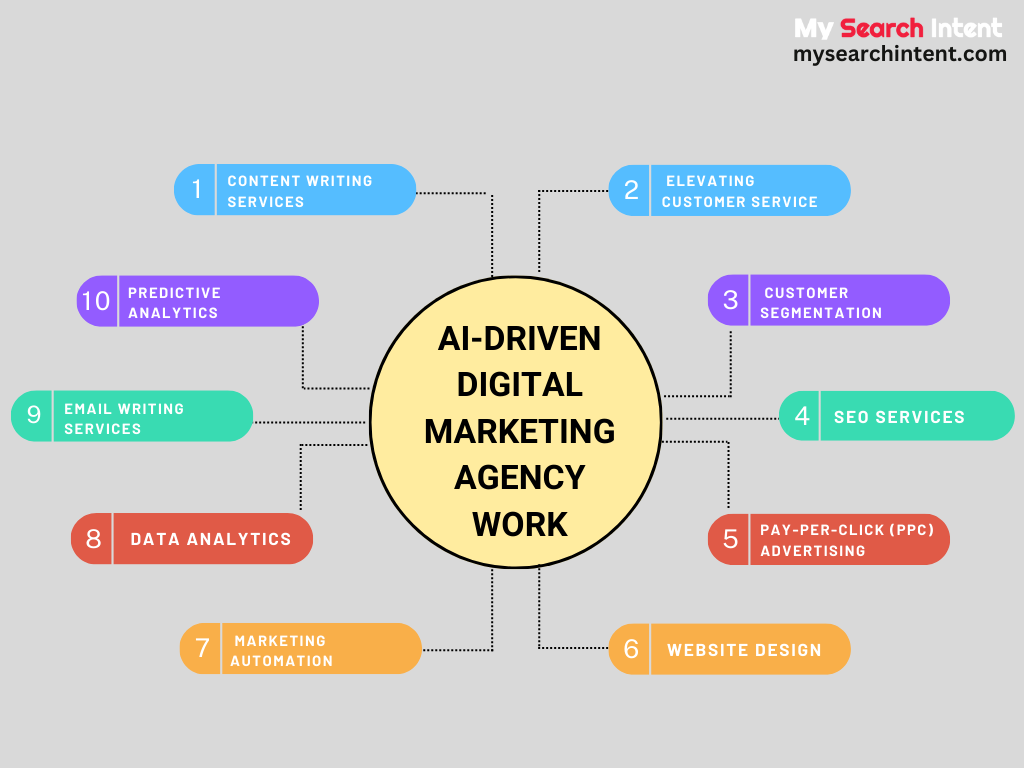
Integrating AI-driven optimization tools into your existing marketing strategy can significantly enhance efficiency and effectiveness. This process isn't just about adopting new technology; it involves a comprehensive approach to ensure that these tools are used to their fullest potential. Implementing AI tools requires a structured plan, training for your team, and an understanding of the possible challenges that may arise.
Here's a detailed guide to streamline this transition.
Step-by-Step Guide for Integration
A successful implementation of AI-driven optimization tools involves several critical stages. Each step plays a crucial role in ensuring that these tools seamlessly blend with existing marketing practices:
- Assessment of Current Strategy: Evaluate your existing marketing strategies to identify areas where AI integration can provide the most impact. This includes analyzing your data collection methods, customer interactions, and campaign performance.
- Selection of AI Tools: Choose AI-driven tools that align with your specific marketing needs. Options include customer segmentation tools, predictive analytics, and content personalization software. Consider tools like Google AI, HubSpot, or Adobe Experience Cloud for robust solutions.
- Data Preparation: Ensure that your data is clean and structured. High-quality, relevant data is essential for AI tools to work effectively. This may involve organizing customer data, cleaning up past campaign data, and ensuring compliance with data regulations.
- Integration with Existing Systems: Integrate the selected AI tools with your current marketing platforms. This may require technical support and can include APIs that connect your CRM, email marketing platforms, and analytics tools.
- Testing and Feedback: Before full deployment, conduct A/B testing to evaluate the effectiveness of the AI tools. Gather feedback from your marketing team to refine the tools and ensure they meet your needs.
- Full Deployment: Once testing is complete and adjustments have been made, roll out the tools across your marketing strategy. Ensure all team members are using the tools consistently.
Best Practices for Staff Training
Training staff effectively on using AI-driven optimization tools is crucial for maximizing their potential. Here are best practices to ensure your team can leverage these tools efficiently:
“Empower your staff with the knowledge and skills needed to utilize AI tools effectively.”
- Comprehensive Training Sessions: Organize structured training sessions that cover the functionalities and best practices of the AI tools. Include hands-on exercises to reinforce learning.
- Continuous Learning Opportunities: Encourage ongoing education through webinars, online courses, or workshops. This keeps the team updated on the latest AI advancements and marketing strategies.
- Encourage Collaboration: Foster a culture of collaboration where team members can share insights and challenges encountered while using AI tools. This peer support can enhance learning.
- Designated AI Champions: Appoint team members as AI champions who can provide guidance and support within the team. These champions can serve as go-to experts when questions arise.
Challenges and Solutions During Implementation
While integrating AI-driven optimization tools offers numerous benefits, businesses may face challenges that need addressing. Understanding these challenges can help develop effective solutions:
“Anticipating challenges is the first step towards effective problem-solving.”
- Resistance to Change: Employees may be hesitant to adopt new technology. To overcome this, communicate the benefits clearly and demonstrate how AI tools can simplify their work and improve outcomes.
- Data Privacy Concerns: Implementing AI tools may raise data privacy issues. Ensure compliance with regulations by using secured data handling practices and transparent data usage policies.
- Technical Integration Issues: Integrating new tools with existing systems can be challenging. Collaborate with IT teams or third-party vendors for technical support and ensure compatibility before full implementation.
- Skill Gaps: There may be a skills gap in understanding AI technology. Invest in training and development programs to upskill your team members, ensuring they are comfortable and proficient with the tools.
Case Studies of Successful Implementation
Many companies are now leveraging AI-driven marketing tools to enhance their digital marketing strategies. These case studies illustrate how thoughtful implementation of AI technologies can lead to significant improvements in marketing outcomes, customer engagement, and overall business performance. By analyzing these examples, businesses can extract valuable insights and best practices applicable to their own operations.
Retail Sector: Walmart's AI-Powered Personalization
Walmart utilized AI-driven optimization tools to personalize customer experiences on its e-commerce platform. By analyzing customer data, including previous purchases and browsing behaviors, Walmart implemented targeted marketing strategies that offered personalized product recommendations. The results were impressive:
- A 10% increase in conversion rates for personalized product recommendations.
- Enhanced customer satisfaction, leading to higher retention rates and repeat purchases.
Walmart's approach demonstrated that leveraging customer data for personalized experiences not only improves sales but also fosters brand loyalty. The key takeaway for other businesses is the importance of data analytics in understanding customer preferences.
Travel Industry: Expedia's AI-Driven Pricing Models
Expedia utilized AI algorithms to develop dynamic pricing models that adjusted prices based on market demand, user behavior, and competitor pricing. This strategy allowed Expedia to optimize its pricing in real-time, offering competitive rates while maximizing profits.Outcomes included:
- A 20% increase in revenue for travel packages.
- Improved user engagement due to real-time pricing adjustments that appealed to cost-sensitive customers.
The lesson learned from Expedia's implementation is the effectiveness of real-time analytics in pricing strategies, which can adapt to changing market conditions and consumer behavior.
Automotive Industry: Ford's Customer Insights Platform
Ford developed a customer insights platform that employed AI tools to analyze customer feedback and market trends. By synthesizing data from social media, surveys, and sales reports, Ford gained critical insights into customer preferences and emerging trends.The results showcased:
- A 15% reduction in product development cycles as teams utilized real-time insights to inform decision-making.
- Increased customer satisfaction due to products aligned closely with consumer expectations.
Ford’s experience highlights the importance of integrating customer feedback into product development, enabling companies to stay ahead of market demands and enhance customer satisfaction.
Healthcare: CVS Health's Targeted Marketing Campaigns
CVS Health applied AI-driven marketing tools to create targeted campaigns aimed at specific segments of their customer base. By analyzing health data and purchasing habits, CVS Health was able to craft personalized marketing messages that resonated with different demographic groups.Key results were:
- A 30% increase in campaign engagement rates.
- Improved health outcomes as customers received tailored health advice and product recommendations.
From CVS Health, the critical takeaway is the power of targeted communication, which can be achieved through thorough data analysis and understanding of customer needs.
"By harnessing the power of AI, companies can transform their marketing efforts into data-driven strategies that yield measurable results."
These case studies exemplify how AI-driven marketing tools can significantly enhance the effectiveness of digital marketing strategies across various industries. The lessons learned from these businesses emphasize the importance of data analytics, real-time insights, and personalized customer experiences in driving revenue and customer loyalty.
Future Trends in Digital Marketing with AI
As artificial intelligence continues to evolve, its impact on digital marketing is set to transform the landscape in ways that are both exciting and complex. Businesses that stay ahead of these trends will not only gain a competitive edge but will also redefine their marketing strategies to resonate with a tech-savvy audience. The integration of AI technology in digital marketing is more than just a passing trend; it signifies a fundamental shift in how brands connect with consumers and optimize their outreach efforts.The future of digital marketing will be heavily influenced by emerging AI technologies.
Predictive analytics, natural language processing, and machine learning will pave the way for more personalized and efficient marketing strategies. Companies can prepare for this evolving landscape by investing in advanced AI tools that enhance customer engagement and streamline operations, ensuring they remain relevant and responsive to consumer needs.
Emerging AI Technologies in Digital Marketing
AI technologies are evolving rapidly, bringing forth innovative tools that reshape digital marketing. Companies need to be aware of these advancements to leverage them effectively. Notable trends include:
- Predictive Analytics: Using AI to analyze past consumer behaviors to predict future actions, allowing brands to tailor their marketing strategies proactively.
- Natural Language Processing: Enhancing customer interactions through chatbots and virtual assistants that understand and respond to human language, providing real-time support.
- Hyper-Personalization: AI’s ability to analyze data enables marketers to create highly personalized content and experiences tailored to individual preferences and behaviors.
- Programmatic Advertising: Automating the buying and selling of ads based on data-driven decisions, increasing efficiency and targeting capabilities.
- Voice Search Optimization: As voice-activated devices gain popularity, optimizing content for voice search will become essential for reaching consumers effectively.
Preparing for the AI-Driven Marketing Landscape
To remain competitive, businesses must adopt strategies that embrace AI advancements. Key preparations include:
- Investing in AI Tools: Allocate resources towards advanced AI-driven marketing solutions that offer insights and automation capabilities.
- Data Management: Ensure robust data collection and management practices to fuel AI systems with high-quality, relevant data.
- Staff Training: Equip teams with knowledge and skills to leverage AI technologies effectively, fostering a culture of innovation.
- Agility in Strategy: Develop flexible marketing strategies that can adapt to changing AI trends and consumer expectations.
Innovations Creating New Opportunities
As AI technology progresses, it will introduce novel opportunities for marketers. Some innovations that stand to revolutionize digital marketing include:
- Augmented Reality (AR) Integration: Combining AR with AI to create immersive advertising experiences that engage customers in unique ways.
- Sentiment Analysis Tools: Utilizing AI to gauge consumer sentiment in real-time, allowing brands to respond proactively to customer feedback.
- Automated Content Creation: AI-driven content generation tools that can produce high-quality, relevant content at scale, saving time and resources.
- Blockchain for Transparency: Leveraging blockchain technology in conjunction with AI for transparent consumer data management and enhancing trust in digital advertising.
"Brands that leverage AI effectively will not only improve their operational efficiency but will also provide a more engaging and personalized experience for their customers."
FAQ Guide
What are AI-driven optimization tools?
AI-driven optimization tools are software solutions that utilize artificial intelligence to enhance digital marketing strategies by automating processes and providing data-driven insights.
How can AI improve customer personalization?
AI can analyze customer data to tailor marketing messages and offers, ensuring that content resonates with individual preferences and behaviors.
What are the key benefits of using AI in marketing?
Key benefits include improved targeting, higher conversion rates, enhanced customer experiences, and optimized marketing budgets.
Can small businesses benefit from AI-driven marketing tools?
Absolutely! AI tools are scalable and can provide small businesses with insights that were previously only available to larger companies.
What challenges might businesses face when implementing AI tools?
Common challenges include a lack of technical knowledge, resistance to change, and data privacy concerns, but these can be managed with proper training and clear strategies.