Unlock the potential of your business with Hire Experts For Paid Digital Marketing With Advanced Audience Targeting, where precision meets innovation. Discover how professional expertise can elevate your digital marketing strategies, ensuring that your campaigns are not just effective but also yield impressive returns on investment.
In today's competitive landscape, hiring seasoned professionals in digital marketing can transform your approach. They bring a wealth of knowledge in advanced audience targeting techniques, enabling you to reach the right customers with tailored messages. By leveraging their experience, your campaigns can soar to new heights, maximizing engagement and conversion rates.
Importance of Hiring Experts for Paid Digital Marketing
In today's competitive digital landscape, businesses must leverage effective marketing strategies to capture attention and drive conversions. Hiring experts for paid digital marketing is essential for navigating the complexities of online advertising and ensuring optimal results. Professionals bring a wealth of knowledge, experience, and specialized skills that can significantly enhance a company's marketing efforts.The benefits of hiring professionals extend beyond mere knowledge of tools and platforms.
Experts possess an in-depth understanding of market trends, audience behavior, and the latest advertising techniques. This expertise translates into more effective campaigns, maximizing the return on investment (ROI) and ensuring that every marketing dollar is spent wisely. By utilizing data-driven strategies, marketers can target the right audiences with precision.
Impact of Expertise on Campaign Effectiveness
The role of expertise in digital marketing cannot be overstated. Professionals in this field not only understand the nuances of various advertising platforms but also know how to tailor campaigns to achieve specific business objectives. The following points illustrate the considerable impact that hiring experts can have on campaign effectiveness:
Increased Targeting Precision
Experts utilize advanced audience targeting techniques, enabling businesses to reach potential customers more accurately. This minimizes wasted ad spend and improves conversion rates.
Data Analysis and Optimization
Skilled marketers continuously analyze campaign performance data, allowing them to make real-time adjustments. This iterative process can lead to enhanced campaign efficiency and better overall results.
Creative Strategy Development
Experts bring fresh, innovative ideas that can set a campaign apart from competitors. Their creative strategies often result in engaging content that resonates with the target audience.
Comprehensive Knowledge of Trends
Staying abreast of the latest industry trends is crucial in digital marketing. Professionals provide insights into emerging techniques and technologies, ensuring campaigns remain relevant and effective.For example, a well-known e-commerce brand successfully increased its revenue by 150% in just six months after hiring a digital marketing agency. The agency implemented a targeted social media advertising campaign, utilizing analytics tools to discover high-converting audience segments.
This resulted in a highly optimized ad spend that directly contributed to a significant uplift in sales.
“The best marketing doesn't feel like marketing.” – Tom Fishburne
In summary, engaging experts for paid digital marketing is fundamental for achieving impactful results and ensuring efficient use of resources. Their extensive knowledge and strategic approach can transform a business's online presence, leading to substantial growth and enhanced profitability.
Advanced Audience Targeting Techniques
In the rapidly evolving landscape of digital marketing, advanced audience targeting techniques are essential for optimizing your advertising efforts. By utilizing sophisticated methods for segmentation, businesses can deliver personalized messaging to the right audience, enhancing engagement and driving conversions. Understanding these techniques is pivotal in creating effective paid digital marketing campaigns.
Effective audience targeting begins with a deep understanding of customer behavior and preferences. Marketers employ various methods for advanced audience segmentation, which enables them to categorize audiences based on specific traits, interests, and actions. This targeted approach not only improves ad performance but also ensures that marketing budgets are utilized efficiently.
Methods for Advanced Audience Segmentation
Audience segmentation is crucial for ensuring that marketing messages resonate with potential customers. The following methods are widely used:
- Demographic Targeting: Segmenting audiences based on age, gender, income, education, and location allows marketers to tailor messages to specific societal groups.
- Behavioral Targeting: This approach uses data from users' online actions, including past purchases and browsing history, to predict future behavior and refine ad placements.
- Geographic Targeting: By focusing on specific locations, businesses can create localized campaigns that resonate with audiences in particular regions or cities.
- Contextual Targeting: Ads are placed in relevant online content, ensuring that the message aligns with the context in which it is viewed, enhancing relevance and engagement.
- Lookalike Audiences: Platforms like Facebook allow marketers to create target audiences that resemble existing customers, broadening reach to likely interested parties.
- Interest-Based Targeting: Utilizing data from users' interests and hobbies enables marketers to engage consumers who are more likely to connect with their brand.
Insights into behavioral targeting highlight its effectiveness in personalizing user experiences. Behavioral targeting involves monitoring users’ actions to predict their future preferences. For instance, if a user frequently browses fitness-related websites, targeted ads for health products or gym memberships can be shown. This technique has shown to increase click-through rates significantly, with studies indicating that personalized ads can deliver up to 10 times higher conversion rates than generic ads.
Psychographic Analysis
Psychographic analysis delves deeper into the motivations, values, and lifestyles of consumers. By understanding not just what consumers do, but why they do it, marketers can create messages that resonate on a more personal level. This can include identifying personality traits, interests, and values that influence purchasing decisions.
The integration of psychographic factors with demographic data provides a more holistic view of target audiences, allowing for highly tailored messaging. For example, a luxury brand may target affluent consumers who value exclusivity and status, crafting campaigns that evoke emotions tied to prestige and luxury living.
Tools and Platforms for Audience Targeting
Numerous tools and platforms can enhance the capabilities of audience targeting, providing insights, analytics, and execution capabilities necessary for successful campaigns. Here is a selection of noteworthy options:
- Google Ads: Offers advanced targeting features, including demographic, interest, and remarketing options to reach users effectively.
- Facebook Ads Manager: Provides extensive targeting options, including lookalike audiences, interest-based targeting, and detailed demographic filters.
- HubSpot: A comprehensive marketing automation platform that includes tools for audience segmentation and behavior tracking.
- Segment: A customer data platform that enables businesses to collect and analyze customer data from various sources for targeted marketing efforts.
- Salesforce Marketing Cloud: Offers solutions for personalized marketing campaigns, including advanced audience segmentation and targeting tools.
- Mailchimp: Known for email marketing, it also provides segmentation options based on user behavior and preferences.
By leveraging these advanced audience targeting techniques, marketers can ensure their campaigns are not only reaching the right audience but also resonating in ways that drive action and loyalty. The strategic use of behavioral targeting and psychographic analysis further enhances this capability, allowing brands to form deeper connections with their consumers.
Cost-Effectiveness of Professional Services
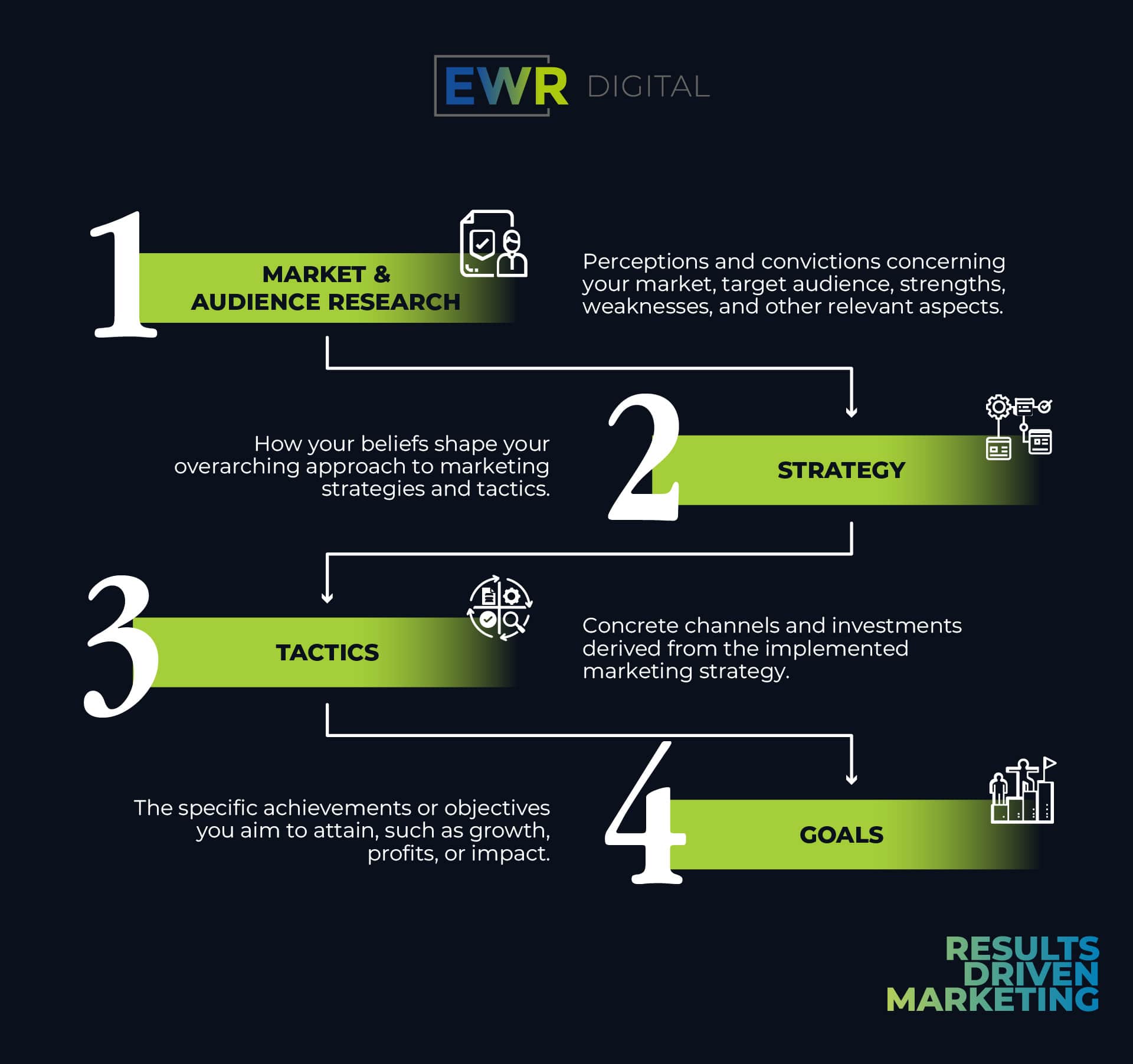
Investing in professional digital marketing services can lead to significant financial advantages for your business. While the initial costs may seem higher compared to maintaining an in-house team, the long-term benefits of hiring experts far outweigh these expenses. As businesses strive to optimize their marketing strategies, understanding the cost-effectiveness of professional services is crucial for sustainable growth.Engaging professional digital marketing services can streamline costs in multiple ways.
Firstly, hiring experts can alleviate the need for extensive training and onboarding of in-house staff, which can be time-consuming and financially draining. Additionally, professionals bring with them not only experience but also tools and software that may be too costly for small to medium enterprises to purchase independently. By leveraging their resources and expertise, businesses can achieve more impactful results without the overhead associated with a full-time team.
Comparison of Hiring Experts Versus In-House Marketing Teams
When evaluating the financial implications of hiring experts versus building an in-house marketing team, several factors come into play. It is critical to consider both the visible and hidden costs associated with each option.
- Salaries and Benefits: Hiring a full marketing team entails not just salaries but also benefits, taxes, and other associated costs. In contrast, hiring a digital marketing agency often means paying a fixed fee without ongoing employment costs.
- Training Costs: Continuous training and skill development are necessary to keep in-house teams updated on industry trends and tools, which can lead to significant expenses. Agencies, on the other hand, invest in their team's education and development.
- Turnover Costs: High turnover rates can lead to interruptions in marketing strategies, lost revenue, and additional hiring costs. Professional services maintain a stable workforce, ensuring consistency in campaigns.
Long-Term Financial Benefits of Investing in Professional Services
Investing in professional digital marketing services can yield substantial long-term financial benefits. By focusing on core competencies, businesses can allocate resources to areas that directly impact growth and revenue.
The return on investment (ROI) from effective digital marketing strategies can exceed expectations, leading to increased sales, customer loyalty, and brand recognition.
Examples abound of companies that have successfully transitioned from in-house marketing to professional services, reporting savings in advertising costs and increased conversion rates. For instance, a mid-sized e-commerce business previously spent 25% of its revenue on marketing alone. After employing a professional agency, they cut costs by 15% while simultaneously increasing their revenue by 30% through optimized campaigns and targeted audience strategies.
Hidden Costs of Poor Marketing without Expert Guidance
Lack of expertise in digital marketing can lead to hidden costs that may not be immediately apparent. Businesses that attempt to manage their digital marketing without professional guidance may find themselves facing significant financial pitfalls.
- Poor ROI: Inefficient marketing strategies often lead to wasted ad spend, resulting in lower returns and diminished profitability.
- Brand Damage: Inconsistent messaging and poorly executed campaigns can harm a brand's reputation, leading to long-term financial repercussions.
- Missed Opportunities: Without expert insight, businesses may overlook valuable data and trends, resulting in lost market share and potential sales.
Measuring the Success of Digital Marketing Campaigns
In the dynamic world of digital marketing, measuring the success of campaigns is critical for understanding effectiveness and optimizing strategies. Professionals leverage a variety of metrics and techniques to ensure that campaigns not only reach intended audiences but also achieve desired outcomes. This section delves into key performance indicators (KPIs), methods for tracking conversions and customer engagement, and best practices for analyzing and reporting campaign performance.
Key Performance Indicators for Success Measurement
Key Performance Indicators (KPIs) serve as essential metrics to evaluate the success of digital marketing campaigns. Understanding these KPIs allows businesses to focus their efforts on what matters most. Here are some crucial KPIs that experts utilize:
- Return on Investment (ROI): A measure of the profitability of a campaign, calculated as the net profit divided by the total investment, often expressed as a percentage.
- Click-Through Rate (CTR): The ratio of users who click on a specific link to the number of total users who view the page, providing insight into the effectiveness of ad copy and visuals.
- Conversion Rate: The percentage of users who take a desired action, such as making a purchase or signing up for a newsletter, reflecting the campaign's ability to drive actions.
- Cost Per Acquisition (CPA): The cost associated with acquiring a new customer, calculated by dividing total campaign costs by the number of new customers gained.
Tracking Conversions and Customer Engagement
Tracking conversions and customer engagement effectively is vital for understanding how well a campaign resonates with the target audience. Experts recommend leveraging various tools and strategies to achieve this goal. Key methods include:
- Google Analytics: A powerful tool that tracks website traffic, conversion paths, and user behavior, allowing marketers to analyze how visitors interact with their content.
- Utm Parameters: Custom tags added to URLs that help track the performance of online campaigns across different traffic sources and campaigns.
- Customer Relationship Management (CRM) Systems: These systems help in tracking customer interactions and behaviors, facilitating personalized marketing and improved customer service.
Best Practices for Reporting and Analyzing Campaign Performance
Effective reporting and analysis of campaign performance are crucial for continuous improvement. Implementing best practices ensures clarity and actionable insights. Consider the following recommendations:
- Regular Reporting: Schedule consistent reporting intervals (weekly, monthly) to monitor KPIs and trends over time, allowing for timely adjustments to strategies.
- Visual Data Representation: Utilize charts and graphs to present data clearly, making it easier for stakeholders to grasp campaign performance at a glance.
- Actionable Insights: Focus reports on insights that can lead to strategic decisions, rather than just raw data. Highlight trends, anomalies, and opportunities for improvement.
- Benchmarking: Compare campaign performance against industry standards or previous campaigns to gauge success and identify areas for growth.
Choosing the Right Experts for Your Business
Finding the right digital marketing experts is crucial for achieving your business goals. The experts you choose will shape your online presence, drive traffic, and ultimately impact your bottom line. With the vast array of agencies and consultants available, it’s essential to have a clear understanding of what to look for. Selecting the right digital marketing agency or consultant involves careful consideration of various factors.
A solid choice can lead to enhanced strategies and measurable results, while a poor selection can hinder your progress. Below are essential criteria and a checklist to guide your decision-making process.
Criteria for Selecting a Digital Marketing Agency or Consultant
When evaluating potential marketing partners, consider the following criteria to ensure they align with your business needs and objectives:
- Industry Experience: Look for agencies that have worked in your industry. Their familiarity with your market dynamics can give you an edge.
- Portfolio and Case Studies: An impressive portfolio showcases their previous work. Examine case studies for successful campaigns that highlight their skills and creativity.
- Expert Team: Assess the qualifications and expertise of the team members. Ensure they possess the necessary certifications and experience in digital marketing practices.
- Range of Services: Consider whether the agency offers a comprehensive suite of services, including , PPC, content marketing, and social media management.
- Client Testimonials: Reading reviews and testimonials from past clients can provide insights into their reliability and effectiveness.
- Communication and Reporting: Evaluate their communication strategy and reporting frequency to ensure transparency and accountability throughout your campaign.
The above criteria can help you narrow down your options and make an informed decision regarding your digital marketing partner.
Checklist for Evaluating Potential Marketing Partners
Creating a checklist can streamline your evaluation process. Below is a structured approach to assess digital marketing agencies or consultants:
- Experience in Your Industry: Does the agency have relevant experience in your specific sector?
- Impressive Portfolio: Are there notable case studies demonstrating their success with past clients?
- Client Retention Rate: What percentage of clients continue to work with them after their initial contracts?
- Service Offering Diversity: Can they provide a complete digital marketing strategy tailored to your needs?
- Measurable Results: How do they track and report success metrics for campaigns?
- Client Support: Is there a dedicated account manager or team to support your needs?
Utilizing this checklist will help you scrutinize potential partners thoroughly, ensuring you select an agency that meets your specific marketing goals.
Importance of Industry Experience and Portfolio
Industry experience is a paramount factor when selecting a digital marketing expert. Agencies familiar with your sector can better understand your unique challenges and target audience, which leads to more effective marketing strategies. A robust portfolio serves as a testament to an agency’s capabilities. An effective portfolio should include:
- Variety of Projects: Demonstrating versatility in handling diverse campaigns.
- Quantifiable Results: Showcasing measurable outcomes that illustrate the agency's impact.
- Creative Solutions: Evidence of innovative approaches to problem-solving.
“Choosing an agency with proven industry experience and an impactful portfolio is essential for driving successful digital marketing campaigns.”
By focusing on these areas, businesses can make informed decisions that ultimately lead to more successful digital marketing efforts.
Future Trends in Paid Digital Marketing
The landscape of paid digital marketing is evolving rapidly, driven by technological advancements and shifts in consumer behavior. Staying ahead of these trends is crucial for businesses aiming to maintain a competitive edge. Experts predict that the integration of new technologies and methodologies will significantly influence how brands interact with their audiences and optimize their marketing efforts.One of the most prominent trends shaping the future of paid digital marketing is the increasing use of artificial intelligence (AI) and machine learning (ML).
These technologies enable marketers to analyze vast amounts of data, allowing for more precise targeting and personalization of campaigns. By leveraging AI, businesses can predict consumer behaviors, optimize ad placements, and enhance customer engagement in real-time.
Impact of Artificial Intelligence and Machine Learning
Artificial intelligence and machine learning are revolutionizing the way marketers approach audience targeting. The ability to process and analyze data at an unprecedented scale allows marketers to create highly tailored campaigns. Some of the functionalities AI and ML bring to the table include:
- Predictive Analytics: Marketers can anticipate consumer behaviors and preferences, enabling proactive engagement and personalized marketing strategies.
- Automated Ad Optimization: AI algorithms continuously optimize ad performance based on real-time data, ensuring maximum return on investment.
- Enhanced Customer Segmentation: Machine learning helps identify distinct customer segments, allowing for targeted messaging that resonates with specific audiences.
- Chatbots and Customer Interaction: AI-powered chatbots provide immediate assistance to customers, improving user experience and increasing conversion rates.
Companies are already adapting to these advancements. For instance, major retailers like Amazon utilize machine learning algorithms to recommend products based on previous purchases and browsing behavior. This tailored approach not only boosts sales but also enhances customer satisfaction.Another emerging trend is the rise of voice search and smart speakers. As more consumers utilize voice-activated devices, marketers need to optimize their content for voice search to ensure visibility.
This means focusing on conversational s and providing concise answers to common queries.
Adoption of Voice Search in Marketing Strategies
The proliferation of voice search technology is prompting businesses to rethink their strategies. Companies are now focusing on how voice search impacts consumer inquiries and how they can adapt their content accordingly. Consider the following approaches:
- Natural Language Processing: Marketers are optimizing their content for natural language queries, ensuring that their information aligns with how users speak.
- Featured Snippets: Securing featured snippets is vital for visibility in voice search results, as these snippets are often read aloud by voice assistants.
- Local Optimization: Many voice searches are location-based, pushing businesses to enhance their local efforts to capture local traffic.
Brands like Domino's Pizza have successfully implemented voice-activated ordering systems, allowing customers to place orders through smart speakers effortlessly. This not only demonstrates innovation but also caters to the evolving consumer preferences for convenience.In summary, the future of paid digital marketing is bright with the integration of artificial intelligence, machine learning, and voice search optimization. Companies that embrace these trends will likely see significant improvements in their marketing effectiveness and overall customer engagement.
Case Studies of Effective Digital Marketing Strategies

In the dynamic world of digital marketing, real-world case studies serve as invaluable resources for understanding the intricacies of targeted campaigns. By analyzing successful strategies, businesses can gain insights into what works, allowing them to refine their own marketing efforts for maximum impact. This section explores several notable case studies that highlight the effectiveness of advanced audience targeting in paid digital marketing.One of the key aspects of these case studies is the application of various techniques and tools that helped businesses reach their goals.
The lessons learned from these campaigns can be translated into actionable strategies, benefiting companies across different sectors. Below, we detail case studies that exemplify effective digital marketing strategies, showcasing the outcomes and the insights derived from each.
Case Study Summaries and Outcomes
The following table summarises several successful digital marketing campaigns, illustrating their strategies and results. Each case provides unique insights into audience targeting, platform selection, and the overall impact on business growth.
| Company | Campaign | Target Audience | Strategies Used | Outcome |
|---|---|---|---|---|
| Company A | Holiday Sale Promotion | Millennial Shoppers | Social Media Ads, Influencer Partnerships | 150% increase in sales |
| Company B | New Product Launch | Tech Enthusiasts | Email Marketing, Retargeting Ads | 200% website traffic growth |
| Company C | Brand Awareness Campaign | Health-Conscious Consumers | Content Marketing, | 70% increase in brand mentions |
| Company D | Seasonal Discount Campaign | Families | PPC Advertising, Geo-Targeting | 30% increase in foot traffic |
Each of these campaigns demonstrates the power of effective digital marketing strategies tailored to specific audiences. For instance, Company A successfully leveraged influencer partnerships which resonated well with millennial shoppers, resulting in a significant sales increase. Similarly, Company B utilized retargeting ads to capture the interest of tech enthusiasts, leading to substantial growth in website traffic.
"The effectiveness of audience targeting in digital marketing cannot be overstated; it is essential for maximizing ROI."
The lessons learned from these case studies include the importance of understanding the target demographic, using data analytics to refine strategies, and the value of multi-channel marketing approaches. By adopting these insights, businesses can enhance their digital marketing efforts and achieve measurable success in their campaigns.
Creating a Comprehensive Digital Marketing Strategy
Designing a comprehensive digital marketing strategy is essential for businesses seeking to thrive in today’s competitive landscape. A well-rounded approach not only maximizes reach but also ensures that marketing efforts resonate with target audiences across various channels. Expert input can guide the development of a multi-channel marketing strategy that effectively combines various forms of digital outreach.A successful digital marketing strategy involves integrating advanced audience targeting techniques to optimize marketing efforts.
By utilizing the insights of experienced professionals, businesses can create a roadmap that aligns their objectives with the preferences and behaviors of their target audience. This structured approach facilitates the effective allocation of resources and enhances the overall impact of marketing campaigns.
Designing a Multi-Channel Marketing Strategy
Crafting a multi-channel marketing strategy requires a careful balance of different marketing platforms to ensure cohesive messaging and outreach. The integration of expert input can enhance this process significantly. Here are essential steps in designing this strategy:
1. Define Your Objectives
Establish clear, measurable goals that align with your overall business strategy to guide your marketing efforts.
2. Identify Your Target Audience
Use advanced audience segmentation to understand demographics, preferences, and behaviors, ensuring campaigns resonate with your intended audience.
3. Choose Your Channels
Select the most effective channels for your marketing strategy—these may include social media, email marketing, search engine marketing, and content marketing.
4. Create Consistent Messaging
Develop messaging that is coherent across all chosen channels, reinforcing brand identity and values.
5. Allocate Resources Wisely
Distribute budgets and manpower strategically to ensure that all channels receive adequate support for optimal performance.
Integrating Audience Targeting into Marketing Plans
Audience targeting can significantly elevate the effectiveness of your marketing strategy. Here’s a step-by-step guide on how to integrate audience targeting:
Conduct Market Research
Gather data on potential customers, including their preferences and purchasing behaviors. This research informs targeting efforts.
Create Customer Personas
Develop detailed profiles of your ideal customers, including demographics, interests, and purchasing habits, to tailor your marketing messages effectively.
Utilize Data Analytics
Leverage data analytics to monitor customer interactions and preferences, adjusting strategies in real-time to meet evolving customer needs.
Implement A/B Testing
Test different versions of marketing materials (e.g., ads, landing pages) to determine which performs better with specific audience segments, refining your targeting approach accordingly.
Balancing Various Marketing Channels for Optimal Results
Achieving the right balance among different marketing channels is crucial for maximizing the impact of your digital marketing efforts. Consider the following strategies to maintain this balance:
Cross-Promote Across Channels
Use each channel to promote the others. For example, share social media posts in email newsletters and vice versa, guiding customers through your marketing ecosystem.
Monitor Performance Metrics
Regularly analyze performance across all channels to identify which strategies yield the best results, allowing for data-driven adjustments.
Adapt to Audience Preferences
Stay attuned to how your audience engages with various channels, shifting focus to those that resonate most effectively.
Use Integrated Campaigns
Develop campaigns that leverage multiple channels simultaneously, ensuring a cohesive message and reinforcing brand visibility across platforms.
“A multi-channel approach not only broadens your reach but also enhances customer engagement through consistent messaging.”
Top FAQs
What are the benefits of hiring digital marketing experts?
Hiring experts ensures higher campaign effectiveness, access to advanced tools, and improved ROI.
How do advanced audience targeting techniques work?
Advanced techniques segment audiences based on behavior and psychographics to tailor marketing efforts.
Is it more cost-effective to hire experts than to have an in-house team?
Yes, hiring experts can save costs long-term by preventing poor marketing decisions and optimizing budget usage.
What key performance indicators should be measured?
Focus on conversion rates, customer engagement metrics, and overall campaign ROI to gauge success.
How can I choose the right digital marketing agency?
Evaluate their industry experience, portfolio, and client reviews to find a suitable partner for your needs.