Order Digital Marketing Ads Strategy With Full Funnel Performance Optimization invites you to explore a transformative approach to digital marketing that can elevate your brand's visibility and engagement. In today’s competitive landscape, crafting an effective digital ads strategy is not just an option; it’s a necessity for success. By understanding the intricate relationship between digital marketing ads and the full funnel performance, businesses can drive targeted traffic and conversion rates like never before.
From defining digital marketing ads to optimizing every stage of the marketing funnel, this comprehensive guide reveals the essential steps needed to harness the full potential of your advertising efforts. Gain insights into audience targeting, budget management, and the latest tools that can streamline your campaigns and enhance performance metrics.
Understanding Digital Marketing Ads
Digital marketing ads are an essential component of modern advertising strategies, leveraging the internet's vast reach to connect with audiences in meaningful ways. Their significance lies in the ability to target specific demographics, measure campaign effectiveness, and adjust strategies in real time, which collectively enhance customer engagement and drive conversions.Digital marketing ads encompass various formats and platforms, each designed to meet the diverse needs of businesses.
They can range from social media ads on platforms like Facebook and Instagram to search engine ads through Google Ads, as well as display ads that appear on websites. Each type serves a unique purpose within the digital landscape, ultimately contributing to a cohesive marketing strategy that prioritizes customer engagement and conversion.
Types of Digital Marketing Ads
Understanding the different types of digital marketing ads is crucial for crafting an effective advertising strategy. Each type offers unique advantages that can be leveraged based on business goals, target audience, and marketing objectives. Below are key types of digital marketing ads:
- Search Ads: These are text-based ads that appear in search engine results when users look for specific s. They are powerful for attracting intent-driven traffic.
- Display Ads: Visually appealing banner ads that are shown on websites, often targeting users based on their browsing history and interests.
- Social Media Ads: Ads on platforms like Facebook, Instagram, and Twitter that can be highly targeted based on user demographics, interests, and behaviors.
- Video Ads: Engaging video content that can be placed on platforms like YouTube or embedded in social media, ideal for storytelling and brand awareness.
- Native Ads: Ads that blend seamlessly with the content of a website or platform, providing a less intrusive advertising experience.
- Remarketing Ads: Ads targeting users who have previously interacted with a brand or website, encouraging them to return and complete a purchase.
The right mix of digital marketing ads can significantly enhance brand visibility and engagement.
The role of digital marketing ads in an overarching marketing strategy is foundational. These ads not only increase brand awareness but also facilitate customer acquisition and retention. They drive traffic to websites, generate leads, and ultimately contribute to revenue growth. By analyzing performance metrics, businesses can refine their advertising strategies, ensuring optimal allocation of resources and maximizing ROI. The integration of digital marketing ads into an overall marketing plan is essential for businesses looking to thrive in a competitive digital landscape.
The Full Funnel Performance Optimization

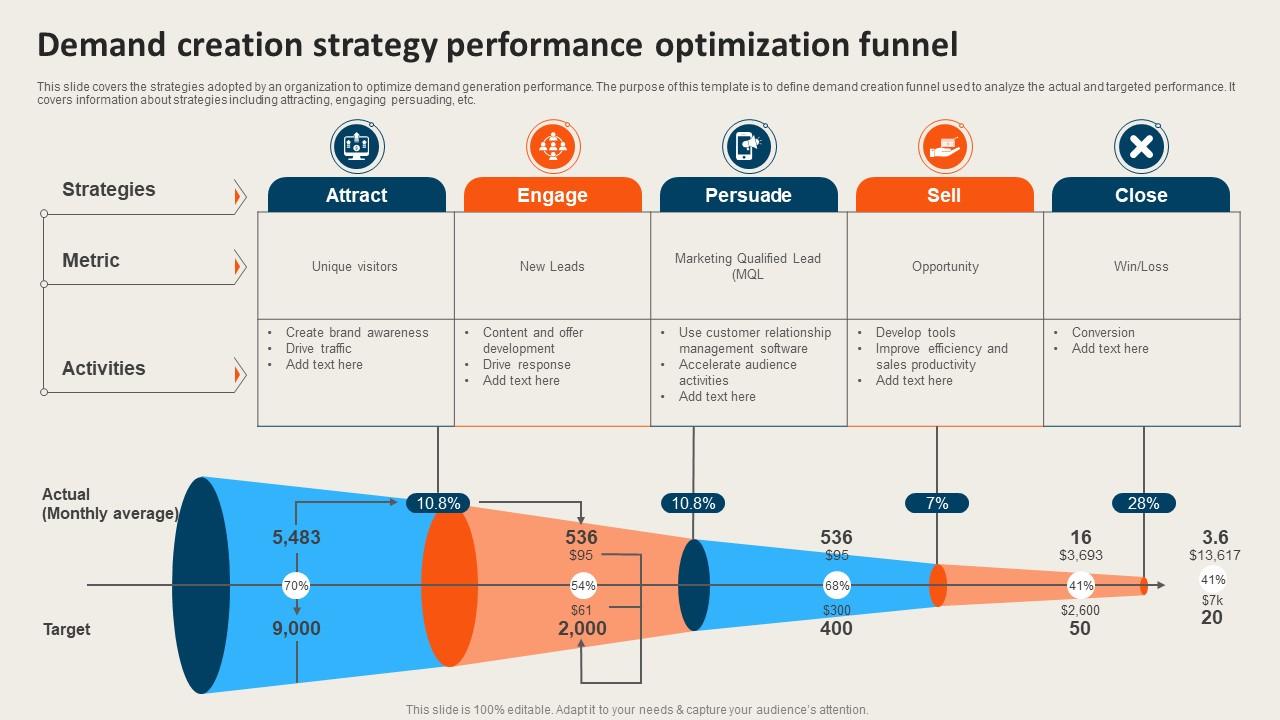
In the digital marketing landscape, the full funnel performance optimization is essential for maximizing advertising efficacy. This process encompasses a strategic approach to engaging potential customers at every stage of their journey, from initial awareness to final conversion and beyond. By understanding and refining each stage of the marketing funnel, businesses can significantly enhance their return on investment (ROI) and customer satisfaction.The marketing funnel consists of distinct stages that reflect the customer journey.
These stages include awareness, consideration, conversion, and retention. Each stage serves a unique role in guiding potential customers from discovering a brand to making a purchase and eventually fostering loyalty. Optimizing performance at each of these stages is crucial as it allows marketers to identify where to focus their resources for maximum impact.
Stages of the Marketing Funnel
The marketing funnel can be broken down into four essential stages, each with specific objectives and strategies. Understanding these stages helps in crafting targeted campaigns that resonate with potential customers and drive them towards conversion.
- Awareness: This is the first stage where the goal is to attract potential customers. At this point, the focus is on creating brand recognition and interest.
- Consideration: During this stage, potential customers are evaluating their options. Marketers aim to provide valuable content that addresses customer needs and concerns.
- Conversion: This stage is where potential customers take the desired action, such as making a purchase or signing up for a newsletter. The focus is on facilitating this transition smoothly.
- Retention: Post-purchase, retaining customers is critical. Strategies here involve nurturing relationships to foster loyalty and encourage repeat business.
Key Performance Indicators for Each Stage
To effectively measure success at each stage of the funnel, identifying the right key performance indicators (KPIs) is essential. Each stage has specific KPIs that can help gauge performance and guide optimization efforts.
- Awareness: Metrics such as reach, impressions, and website traffic indicate how well the brand is gaining visibility.
- Consideration: Engagement metrics, including click-through rates (CTR) and time spent on page, provide insight into how effectively the content resonates with potential customers.
- Conversion: This stage’s success is measured through conversion rates, average order value (AOV), and cart abandonment rates.
- Retention: Customer lifetime value (CLV), churn rate, and repeat purchase rate serve to measure how well the brand maintains customer relationships.
Methods to Optimize Performance at Different Funnel Stages
Continuous optimization is key to improving performance across the marketing funnel. Specific strategies can be employed at each stage to enhance effectiveness and drive results.
- Awareness: Utilize targeted advertising, practices, and social media campaigns to increase visibility. Creating compelling content that is shareable can also enhance brand awareness.
- Consideration: Implement retargeting ads and email marketing campaigns to keep potential customers engaged. Providing informative and persuasive content such as case studies and product comparisons can assist in this stage.
- Conversion: Streamlining the checkout process, using persuasive calls to action, and offering time-sensitive promotions can help improve conversion rates significantly.
- Retention: Engaging customers with personalized communication, loyalty programs, and continuous value-driven content encourages repeat purchases and builds brand loyalty.
“Optimizing the marketing funnel is about understanding where customers drop off and strategically addressing those gaps.”
By implementing these strategies and continuously monitoring KPIs, marketers can ensure a well-optimized full funnel approach that not only drives conversions but also builds lasting customer relationships.
Creating a Comprehensive Digital Marketing Ads Strategy
Developing a robust digital marketing ads strategy is essential for maximizing your online presence and ensuring a consistent return on investment. This strategy involves several key steps that help businesses effectively engage their target audience and achieve their marketing objectives. An effective strategy not only Artikels the promotional goals but also provides a roadmap to navigate the complexities of digital advertising.The process of creating a comprehensive digital marketing ads strategy encompasses a series of systematic steps to ensure that all aspects are covered.
These steps include conducting market research, defining your goals, identifying target audiences, selecting the appropriate platforms, and implementing budget allocation methods for optimal performance. Each step plays a crucial role in crafting a strategy that resonates with your audience and drives conversions.
Target Audience Identification Process
Identifying your target audience is the cornerstone of any digital marketing ads strategy. Understanding who your ideal customers are allows you to craft tailored messages that speak directly to their needs and preferences. The audience identification process typically includes the following steps:
1. Market Research
Analyze industry trends, competitors, and existing customer demographics to gather insights about potential customers. Tools like Google Analytics or social media insights can provide valuable data.
2. Creating Buyer Personas
Develop detailed profiles of your ideal customers, known as buyer personas. These personas should encompass demographic information, interests, pain points, and purchasing behaviors.
3. Segmentation
Divide your audience into specific segments based on shared characteristics, such as age, gender, location, and purchase history. This allows for more targeted advertising efforts.
4. Surveys and Feedback
Utilize surveys, feedback forms, and social media interactions to gain direct insights from your audience. This feedback can help refine your understanding of their preferences.
5. Behavioral Analysis
Analyze user behavior through website analytics and engagement metrics. Understanding how users interact with your content can reveal valuable patterns and preferences.
Budget Allocation Methods for Digital Advertising
Effective budget allocation is crucial for optimizing digital advertising campaigns. Properly managing your advertising budget can maximize exposure and drive better results. Several methods can be employed to allocate budgets effectively:
Percentage of Revenue
Allocate a specific percentage of your overall revenue to digital advertising. This method is particularly useful for businesses with fluctuating incomes.
Cost Per Acquisition (CPA)
Determine how much you are willing to spend to acquire a new customer and adjust your budget accordingly to ensure that your CPA aligns with profitability goals.
Competitor Benchmarking
Research how much competitors are spending on digital advertising. This can provide insight into industry standards and help you decide on a competitive budget.
Trial and Adjust
Start with a smaller budget for new campaigns, monitor performance, and adjust spending based on results and ROI. This iterative approach allows for flexibility and optimization over time.
Channel Performance
Allocate budgets based on the performance of different advertising channels. Use analytics to identify which platforms yield the highest return and shift budgets accordingly.
“The key to successful digital advertising lies in understanding your audience and effectively managing your budget to create impactful campaigns.”
Integration of Full Funnel Strategy with Digital Ads
The integration of full funnel strategies with digital advertising is crucial for maximizing marketing effectiveness. By aligning ad efforts across various stages of the consumer journey, businesses can nurture leads, build brand awareness, and maximize conversions. This approach ensures every touchpoint resonates with the audience’s current needs and positions the organization as the best solution.To effectively align digital ads with funnel optimization strategies, it is important to first understand the customer journey.
This journey typically consists of stages: Awareness, Consideration, and Decision. Ads should be tailored to meet the specific goals of each stage, utilizing insights from funnel performance optimization to enhance overall effectiveness.
Alignment of Digital Ads with Funnel Stages
Each stage of the marketing funnel requires unique messaging and ad formats. Proper alignment can significantly influence customer engagement and conversion rates. Here are some effective strategies for implementing digital ads at different stages:
- Awareness Stage: Use visually compelling ad formats such as videos and display ads to capture attention. These formats should focus on brand storytelling and value propositions to create initial interest.
- Consideration Stage: Utilize dynamic content such as informational articles, webinars, and product comparison ads. This helps educate potential customers on product features and benefits, guiding them toward making informed decisions.
- Decision Stage: Implement retargeting ads featuring strong calls-to-action, discounts, or testimonials. Ads at this stage should emphasize urgency and reinforce trust to encourage final purchases.
Successful case studies illustrate the effectiveness of full funnel strategies integrating digital ads. For instance, a well-known e-commerce brand utilized video ads to generate awareness, followed by informative blog ads for consideration, and finally executed retargeting ads with limited-time offers to spur conversions. This multi-format approach resulted in a 30% increase in sales within just three months.Another example is a B2B software company that adopted a similar strategy.
Initially, they ran educational webinars to create awareness, then followed up with case study ads that showcased customer success stories. In the decision phase, they utilized personalized emails with free trial offers, which led to a 40% increase in sign-ups within the trial period.
“The integration of digital ads with a full funnel strategy not only enhances customer experience but also drives measurable business growth.”
By understanding and aligning digital ads with the full funnel strategy, organizations can create a cohesive marketing approach, resulting in improved engagement, higher conversion rates, and ultimately, greater ROI.
Tools and Technologies for Optimization

In the ever-evolving landscape of digital marketing, utilizing the right tools and technologies is crucial for optimizing ad performance. These tools enhance the management of campaigns, streamline processes, and ultimately drive better results. A variety of software solutions exist, each designed to cater to specific aspects of digital marketing ads.The integration of automation techniques allows marketers to enhance productivity while ensuring that ad performance remains at its peak.
Automation is not just about efficiency; it also plays a significant role in delivering timely and relevant ads based on user behavior. Furthermore, the use of data analytics is pivotal in continuously refining ad strategies, enabling marketers to make informed decisions based on real-time insights.
Digital Marketing Ads Management Tools
Numerous tools are available that assist in the management and optimization of digital marketing ads. These tools provide capabilities ranging from campaign tracking to performance analytics, ensuring that marketers can effectively manage their advertising efforts. Below is a selection of essential tools that can elevate your ad strategy:
- Google Ads: A cornerstone for PPC advertising, Google Ads offers robust campaign management features, research, and powerful analytics to monitor ad performance.
- Facebook Ads Manager: This tool allows for the creation, analysis, and optimization of Facebook ad campaigns, providing detailed targeting options and performance metrics.
- AdEspresso: A user-friendly platform for managing Facebook, Instagram, and Google ads, enabling A/B testing and analytics to optimize campaign performance.
- SEMrush: An all-in-one tool for and PPC analysis, SEMrush provides insights into competitor strategies and performance, aiding in ad optimization.
- HubSpot: This inbound marketing tool offers features for managing ads, tracking conversions, and integrating data across various marketing channels.
Automation Techniques in Ad Performance Optimization
Automation techniques have become increasingly important in digital marketing, allowing businesses to maximize ad performance while minimizing manual workload. These techniques can be categorized into multiple areas:
- Automated Bidding: Platforms like Google Ads utilize automated bidding strategies that adjust bids in real-time to achieve specific goals, such as maximizing conversions or return on ad spend (ROAS).
- Dynamic Ads: Automated ad generation based on user behavior and preferences ensures that ads are relevant and timely, improving click-through rates and conversion rates.
- Retargeting: Automation in retargeting campaigns allows for consistent engagement with users who have shown interest, increasing the likelihood of conversion.
- Reporting Automation: Tools that provide automated reporting can summarize ad performance metrics, saving time and allowing marketers to focus on strategy rather than data collection.
Data Analytics in Refining Ad Strategies
Data analytics is the backbone of effective digital marketing ad strategies. By harnessing data, marketers can gain insights into consumer behavior, ad performance, and market trends, allowing for continuous improvements. The role of data analytics can be highlighted through the following points:
- Performance Tracking: Utilizing analytics tools to track key performance indicators (KPIs) such as click-through rates, conversion rates, and cost-per-acquisition (CPA) helps in evaluating ad effectiveness.
- User Behavior Analysis: Understanding how users interact with ads can inform adjustments to targeting and messaging, ensuring that ads resonate with the intended audience.
- Predictive Analytics: By analyzing historical data, marketers can forecast future trends and behaviors, allowing for proactive adjustments to advertising strategies.
- A/B Testing Results: Analyzing outcomes from A/B tests helps in identifying the most effective ad creatives and strategies, leading to improved ad performance over time.
Measuring Success and Performance Metrics
Measuring the success of digital marketing ads is crucial for optimizing strategies and ensuring a positive return on investment (ROI). By analyzing performance metrics, marketers can gain insights into how effectively their campaigns are engaging audiences and driving desired actions. Understanding these metrics allows for informed decision-making and enhanced campaign performance.To effectively measure success in digital marketing ads, it is essential to identify and utilize key performance indicators (KPIs).
These metrics provide a quantifiable measure of how well campaigns are performing against objectives. The following are best practices for measuring success:
Key Performance Indicators for Digital Marketing Ads
Establishing clear KPIs is vital for tracking performance. Common KPIs include:
- Click-Through Rate (CTR): Indicates the percentage of users who click on the ad after viewing it. A higher CTR suggests effective ad copy and targeting.
- Conversion Rate: Measures the percentage of users who complete the desired action, such as making a purchase or signing up for a newsletter. This indicates the effectiveness of the ad in driving actions.
- Return on Ad Spend (ROAS): Calculates the revenue generated for every dollar spent on advertising. This critical metric helps assess the financial effectiveness of campaigns.
- Customer Acquisition Cost (CAC): Represents the cost associated with acquiring a new customer through digital ads. A lower CAC indicates a more efficient marketing strategy.
- Engagement Rate: Measures interactions (likes, shares, comments) with ads, reflecting audience interest and engagement levels.
Interpreting performance metrics involves analyzing data in context. It is important to recognize trends over time rather than relying on isolated data points. For example, a sudden spike in traffic may initially seem positive, but if the conversion rate remains low, it may indicate issues with the ad's messaging or the landing page experience.
Adjusting Strategies Based on Performance Data
Data-driven decision-making is essential for optimizing digital marketing strategies. Based on performance metrics, adjustments can be made to enhance campaign effectiveness. Here are some strategies:
- Refine Targeting: If certain demographics are underperforming, consider adjusting audience targeting to focus on segments that yield higher engagement and conversions.
- Optimize Ad Creatives: Analyze which ad variations perform best. Testing different headlines, images, or calls to action can lead to improved results.
- Allocate Budget Wisely: Shift budgets toward high-performing ads or campaigns. If certain channels or ad types show better results, increasing investment in these areas can maximize ROI.
- Utilize A/B Testing: Regularly test different ad formats and messaging to determine which resonates best with the audience, allowing for informed adjustments in real-time.
- Monitor Competitor Performance: Keeping an eye on competitor strategies and performance can provide insights into industry benchmarks and inspire new tactics.
“Data is the new oil. It’s valuable, but if unrefined, it cannot really be used. It has to be refined so that it can be turned into gas or diesel.” – Clive Humby
By implementing best practices in measuring performance and interpreting metrics effectively, businesses can refine their digital marketing ad strategies, ensuring they achieve optimal results and a solid return on investment.
Challenges in Digital Marketing Ads and Solutions
Digital marketing ads offer tremendous opportunities for brands, yet they come with a unique set of challenges that can hinder effectiveness and ROI. Navigating this landscape requires understanding these challenges and implementing strategic solutions to overcome them. One of the predominant challenges in digital marketing ads is the saturation of ad space, where competition for user attention is fierce. As brands continuously vie for visibility across various platforms, standing out becomes increasingly difficult.
This saturation can lead to ad fatigue among consumers, diminishing engagement and effectiveness.
Ad Saturation and User Fatigue
The challenge of ad saturation necessitates innovative strategies to capture user attention and maintain engagement. Brands need to differentiate their messaging and creative execution to prevent user fatigue.To combat these issues, brands can implement the following strategies:
- Creative Innovation: Regularly refresh ad creatives and formats to keep the content appealing. For example, Nike frequently updates its ad imagery and messages, aligning them with current trends and events to stay relevant.
- Targeted Segmentation: Use data analytics to refine audience targeting. By targeting niche markets with tailored messages, brands can achieve higher engagement. For instance, Amazon employs sophisticated algorithms to recommend products based on individual browsing history.
- Interactive Content: Incorporate interactive elements such as polls, quizzes, or augmented reality experiences to engage users. Brands like IKEA utilize augmented reality in their ads, allowing customers to visualize products within their own space.
Another challenge faced in digital marketing ads is the evolving landscape of privacy regulations and user consent. As consumers become more aware of their data rights, brands must navigate regulations like GDPR and CCPA to ensure compliance while still effectively reaching their target audience.
Privacy Regulations and User Consent
Navigating privacy regulations is essential for maintaining consumer trust while executing effective digital marketing campaigns. Brands must prioritize transparency and compliance in their advertising strategies.Strategies to address privacy issues include:
- Transparent Data Practices: Clearly communicate data usage to consumers. Brands like Apple emphasize privacy in their advertising, reassuring users of their commitment to data protection.
- Consent Management Tools: Utilize platforms that simplify the consent collection process, ensuring compliance without compromising user experience. Tools like OneTrust help brands manage consent effortlessly.
- Contextual Advertising: Shift focus towards contextual advertising, which does not rely on personal data but rather targets users based on content consumption. This approach has been successfully employed by brands like The Weather Channel, which serves ads relevant to current weather conditions.
A further challenge arises from measuring ad performance effectively. With a myriad of metrics available, it can be confusing for brands to determine which indicators accurately reflect campaign success.
Measuring Ad Performance
Understanding and measuring ad performance is critical to refining strategies and optimizing budgets. Brands need clarity on which metrics matter most for their specific goals.To enhance measurement accuracy, brands can focus on:
- Attribution Models: Implement multi-touch attribution models to gain insights into which channels influence conversions. For instance, Google Analytics offers customizable attribution models to help businesses track customer journeys accurately.
- A/B Testing: Regularly conduct A/B tests to compare ad variations and determine effectiveness. Companies like Facebook utilize A/B testing extensively to optimize ad performance based on real-time data.
- Integrating Analytics Tools: Leverage advanced analytics tools that provide deeper insights into user behavior and ad impact. Brands like Adobe use their Experience Cloud to gain comprehensive analytics on campaign performance.
In summary, while digital marketing ads present several challenges, proactive strategies and innovative solutions can enable brands to overcome these hurdles successfully. Companies that embrace creativity, transparency, and data-driven decision-making are best positioned to thrive in this dynamic environment.
Future Trends in Digital Marketing Ads
The landscape of digital marketing is continuously evolving, driven by advancements in technology and shifting consumer behaviors. As marketers look to the future, understanding these trends is essential for staying competitive and effective in their campaigns. The next wave of digital marketing ads promises to enhance customer engagement and optimize advertising strategies through innovative approaches.
Emerging Trends in Digital Marketing
Several emerging trends are shaping the future of digital marketing ads. Marketers must be aware of these developments to ensure their strategies remain relevant and impactful. Key trends include the rise of artificial intelligence (AI), the growing importance of privacy and data security, and the increasing use of video content.
- Artificial Intelligence and Machine Learning: AI tools are becoming integral to analyzing consumer data and optimizing ad placements. Brands such as Amazon leverage machine learning algorithms to predict customer preferences, enhancing personalization.
- Privacy-Centric Advertising: With regulations like GDPR and CCPA, marketers are focusing on transparent data practices. Companies are adopting privacy-first solutions, ensuring consumers feel secure, which can enhance brand loyalty.
- Video Content Dominance: Video continues to gain traction, with platforms like TikTok and YouTube leading the way. Brands utilizing video ads see higher engagement rates—Coca-Cola’s innovative campaigns on social media exemplify this trend.
Staying Updated with Technology and Consumer Behavior
The rapid pace of technological advancement necessitates that marketers stay informed about the latest tools and consumer preferences. Understanding shifts in consumer behavior allows for more effective targeting and engagement strategies. This awareness can be a game-changer in how brands connect with their audiences.
- Continuous Learning: Marketers should prioritize ongoing education about digital tools and platforms. Participating in webinars, online courses, and industry conferences can provide valuable insights into emerging technologies.
- Consumer Behavior Analytics: Utilizing analytics tools to understand consumer behavior enhances campaign effectiveness. Brands that analyze purchasing habits and preferences can tailor ads to meet specific needs.
- Adaptability: The ability to pivot strategies based on real-time consumer feedback is crucial. Companies that remain flexible can quickly respond to market changes, ensuring their advertising efforts remain relevant.
Skills and Knowledge Areas for Future Success
As the digital marketing landscape evolves, marketers must develop specific skills and knowledge areas to thrive. Emphasizing these competencies will position them for success in the competitive advertising space.
- Data Analytics: Proficiency in data analysis helps marketers interpret consumer data effectively, informing strategic decisions.
- Content Creation: Skills in creating compelling content are essential, particularly in video and interactive formats, to capture audience attention.
- Technical Proficiency: Familiarity with marketing automation tools and AI-driven platforms allows marketers to optimize campaigns and improve efficiency.
Staying ahead in digital marketing requires an agile mindset, a commitment to continuous learning, and a willingness to adapt based on emerging trends and consumer insights.
FAQ Insights
What is digital marketing ads strategy?
A digital marketing ads strategy is a structured plan that Artikels how to use online advertising to reach target audiences effectively and achieve marketing goals.
How can I measure the success of my digital ads?
Success can be measured through key performance indicators (KPIs) such as click-through rates, conversion rates, and return on ad spend (ROAS).
What tools can help in optimizing digital marketing ads?
Tools like Google Ads, Facebook Ads Manager, and analytics platforms like Google Analytics are invaluable for managing and optimizing digital marketing ads.
Why is full funnel performance optimization important?
Full funnel performance optimization ensures that every stage of the customer journey is effectively addressed, enhancing overall conversion rates and customer satisfaction.
What are common challenges in digital marketing ads?
Common challenges include high competition, ad fatigue, and difficulty in targeting the right audience, which can be mitigated with strategic planning and analysis.