Order Premium Technology Solutions With Long Term Performance And Reliability and unlock the potential of your business with cutting-edge tools designed to stand the test of time. As industries evolve, the need for exceptional technology that ensures both performance and reliability has never been more critical.
Premium technology solutions offer features that significantly enhance operational efficiency and innovation, distinguishing them from standard offerings. Companies seeking to thrive in a competitive landscape must prioritize solutions that promise long-term sustainability and reliability.
Understanding Premium Technology Solutions

Premium technology solutions are characterized by their superior performance, reliability, and innovative features that set them apart from standard offerings. These solutions cater to organizations and individuals seeking not just functionality, but also a competitive edge through cutting-edge technology. The essence of premium technology solutions lies in their ability to deliver exceptional value, sustained high performance, and adaptability to the evolving technological landscape.To truly grasp what defines premium technology solutions, it is essential to consider the key features that distinguish them from their standard counterparts.
Premium solutions are often built using advanced materials and state-of-the-art engineering, resulting in products that not only meet, but exceed industry standards. This leads to enhanced durability and a longer lifecycle, making them a more sustainable choice in the long run.
Key Features of Premium Technology Solutions
The distinguishing features of premium technology solutions encompass various aspects, including performance, user experience, and support services. Understanding these features can help organizations make informed decisions when selecting technology solutions. Here are some key characteristics:
- Advanced Performance: Premium solutions are engineered for high efficiency, ensuring tasks are completed faster and with greater accuracy compared to standard alternatives.
- Enhanced Reliability: With rigorous testing and quality assurance processes, premium technology solutions offer greater dependability, minimizing downtime and maintenance costs.
- Innovative Features: Integration of the latest technological advancements, such as AI and machine learning, provides users with enhanced functionalities that can adapt to their specific needs.
- Exceptional User Experience: Premium solutions prioritize user-friendly interfaces and seamless integration with existing systems, ensuring a smooth workflow.
- Comprehensive Support: Premium offerings often come with superior customer support, including extended warranties and personalized assistance to address any challenges.
Innovation plays a crucial role in the realm of premium technology solutions. It fuels the continuous improvement of products, driving companies to invest in research and development to stay at the forefront of their industries. A prime example is the evolution of smartphones, where premium models consistently introduce pioneering features such as enhanced camera systems, AI-driven personal assistants, and improved security measures.
These innovations not only fulfill current market needs but also anticipate future demands, positioning premium products as leaders in the technology landscape.
“Innovation is the heartbeat of premium technology solutions, ensuring they remain relevant and ahead of the competition.”
Importance of Long-Term Performance
Long-term performance in technology solutions is a critical factor for businesses aiming to achieve sustainable growth and operational efficiency. As organizations invest in technology, the return on investment is not only measured in the short term but also in the longevity and reliability of the solutions deployed. Long-term performance signifies the ability of a technology solution to maintain efficiency, effectiveness, and reliability over an extended period, ultimately contributing to the overall success and stability of a business.Several factors contribute to the sustained performance of technology solutions over time.
These include the quality of the components used, the adaptability to evolving technologies, ongoing support and maintenance, and an architecture designed for scalability. The interplay of these elements ensures that a technology solution not only performs well initially but continues to meet the demands of a growing business in the years to come.
Factors Contributing to Long-Term Performance
Understanding the factors that bolster long-term performance is essential for any organization looking to make informed decisions on technology investments. The following points Artikel the key contributors to sustained performance:
- Quality of Materials and Components: High-quality hardware and software components are crucial for ensuring that technology solutions can withstand wear and tear, thus enhancing their longevity.
- Regular Maintenance and Upgrades: Scheduled maintenance and timely upgrades play a vital role in keeping systems running optimally, preventing potential downtime, and extending the lifecycle of technology solutions.
- Scalability and Flexibility: A solution that can grow with the organization’s needs allows for long-term performance, as it can adapt to new requirements without necessitating complete overhauls.
- Support and Service: Reliable customer support and service agreements ensure that any issues can be addressed promptly, minimizing disruptions and enhancing performance consistency over time.
- Innovation and Compatibility: Solutions that are designed with future innovations in mind are more likely to integrate seamlessly with new technologies, securing their relevance and performance in the long term.
Long-term performance metrics differ significantly from short-term metrics, primarily focusing on sustainability and reliability rather than immediate outputs. While short-term metrics such as rapid deployment and initial functionality provide a snapshot of performance, long-term metrics encompass a comprehensive view of operational efficiency, cost-effectiveness, and user satisfaction over time.
“Investing in long-term performance is investing in the future stability and success of your business.”
An example of this can be seen in industries that have embraced cloud computing solutions. Businesses that initially focused on short-term cost savings often found themselves facing challenges as their needs evolved. In contrast, organizations that prioritized solutions with long-term performance metrics experienced smoother transitions and greater adaptability, ultimately leading to enhanced operational efficiency and reduced costs over time.
Reliability in Technology Solutions
In the fast-paced world of technology, reliability is a cornerstone that businesses cannot afford to overlook. It represents the ability of a system or product to perform consistently over time, delivering dependable results under varying conditions. A reliable technology solution minimizes downtime, provides seamless operations, and enhances customer satisfaction, ultimately contributing to a company's reputation and bottom line.
When evaluating the reliability of technology solutions, it’s essential to consider the benefits they bring to the business landscape. Reliable technology solutions ensure that critical operations run smoothly, safeguard data integrity, and maintain user trust. Here are some notable examples of reliable technology solutions and their impact on various industries:
Examples of Reliable Technology Solutions
Numerous technology solutions have established credibility by providing consistent performance and high quality. Below are a few examples that highlight their significance:
- Amazon Web Services (AWS): Known for its robust infrastructure, AWS offers cloud computing services that enable businesses to scale effectively while maintaining high availability and reliability. Many companies depend on AWS for their hosting needs, ensuring minimal disruptions and optimized performance.
- Salesforce: As a leading customer relationship management (CRM) platform, Salesforce has built a reputation for reliability, providing businesses with tools to manage customer interactions efficiently. Its uptime guarantees help companies maintain their customer service standards without interruption.
- Microsoft Azure: This cloud computing service delivers reliable performance with comprehensive data management solutions. Businesses utilizing Azure benefit from its continuous uptime, which is essential for operations requiring real-time data access.
The impact of these reliable solutions on businesses cannot be overstated. They not only boost operational efficiency but also foster an environment of trust and dependability among clients and partners.
Methods to Assess and Ensure Reliability in Technology Products
Assessing reliability in technology products is crucial for businesses seeking sustainable performance. Several methods can be employed to evaluate and ensure reliability:
- Performance Testing: Conducting thorough performance tests under various conditions helps to identify potential weaknesses in technology solutions and ensures they can handle expected loads.
- Regular Maintenance and Updates: Implementing a schedule for regular maintenance and software updates is vital for keeping technology solutions reliable. This ensures that any vulnerabilities are addressed promptly.
- User Feedback: Collecting and analyzing user feedback can provide valuable insights into the reliability of a product. Businesses can make informed decisions based on real-world usage experiences.
- Benchmarking Against Industry Standards: Comparing technology solutions against established industry standards helps organizations identify reliability gaps and adopt best practices.
By taking these proactive measures, businesses can significantly enhance the reliability of their technology solutions, thereby reinforcing their operational resilience and long-term performance.
Evaluating Technology Vendors

In the world of premium technology solutions, assessing potential vendors is a critical step in ensuring long-term performance and reliability. A well-researched vendor selection can lead to sustained operational efficiency and reduced risks. This checklist will guide you through the essential criteria for evaluating technology vendors, helping you make an informed choice.Understanding the reputation of a vendor and reviewing customer feedback is paramount in the selection process.
A vendor's history of delivering quality solutions can significantly influence your organization's success. Reliable vendors foster trust through consistent performance, while negative reviews can serve as red flags.
Checklist for Evaluating Vendors
When choosing a vendor for premium technology solutions, it is essential to have a structured approach. Use the following checklist to evaluate potential partners based on their offerings, reputation, and customer support:
- Company Reputation: Research the vendor's background, years in business, and industry standing.
- Customer Reviews: Examine feedback from existing clients to gauge satisfaction and performance.
- Product Performance Metrics: Look for documented evidence of the vendor’s solution performance, such as uptime statistics and speed benchmarks.
- Service Level Agreements (SLAs): Understand the SLAs provided, including response times and outage compensations.
- Support Services: Assess the availability and expertise of customer support, including response time and issue resolution capabilities.
- Innovation and Upgrades: Evaluate the vendor’s commitment to innovation and regular updates, ensuring their solutions remain cutting-edge.
- Financial Stability: Confirm the vendor's financial health to ensure they can support your needs in the long run.
- Case Studies and References: Request case studies or references from similar organizations to validate their claims.
“Choosing the right vendor is not just about the immediate benefits, but about ensuring the longevity and reliability of your technology investments.”
Vendor Reputation and Customer Reviews
The significance of a vendor's reputation cannot be overstated. A strong reputation often correlates with positive customer experiences and successful project outcomes. Customers today have access to a wealth of information, including independent reviews and testimonials, which can provide insights into the vendor's reliability and service quality. Comparing vendors based on gathered reviews can be an effective strategy. Look for patterns in feedback that highlight strengths and weaknesses, and factor this into your decision-making process.
Comparative Analysis of Vendor Performance and Reliability
To make an informed decision, it is crucial to compare different vendors side by side based on their performance and reliability metrics. Create a comparison table that includes key factors such as uptime, customer support ratings, and specific case outcomes.
| Vendor | Uptime (%) | Support Rating (1-5) | Customer Satisfaction (%) |
|---|---|---|---|
| Vendor A | 99.9 | 4.5 | 95 |
| Vendor B | 99.5 | 4.0 | 90 |
| Vendor C | 99.8 | 4.8 | 93 |
With this comparative analysis, organizations can uncover the most reliable vendor whose solutions align with their long-term goals and operational needs. Selecting a vendor with proven performance and positive customer feedback sets the foundation for a successful technology partnership.
Cost Considerations and Value
Investing in premium technology solutions is not merely a financial decision; it is a strategic move that can generate significant value over time. Understanding the cost-benefit ratio of these investments is crucial for businesses aiming for sustained success and efficiency. A careful analysis reveals that the upfront costs are often outweighed by long-term savings and enhanced productivity.When evaluating technology expenditures, it’s important to consider the hidden costs associated with opting for cheaper alternatives.
While initial savings may seem appealing, these savings can quickly erode due to ongoing maintenance costs, frequent upgrades, and lower performance reliability. This often leads to increased total cost of ownership (TCO) that can burden organizations in the long run.
Cost-Benefit Analysis of Premium Technology Solutions
The cost-benefit ratio of investing in premium technology solutions should encompass both tangible and intangible benefits. The following points highlight key aspects of this analysis:
- Long-Term Savings: Premium solutions typically offer lower maintenance costs and fewer breakdowns, translating to reduced operational expenses over time.
- Increased Efficiency: Higher-quality technology boosts productivity, allowing businesses to maximize output without a proportional increase in resources.
- Enhanced Security: Premium solutions come with advanced security features, which can mitigate the risk of data breaches and associated costs.
- Scalability: Investing in robust technology that can grow with your business ensures that future expansion doesn’t require a complete system overhaul.
Hidden Costs of Cheaper Alternatives
While initial costs of cheaper technology may attract budget-conscious buyers, the long-term financial implications can be detrimental. Key hidden costs associated with these alternatives include:
- Frequent Repairs: Budget technology often necessitates regular repairs and replacements, leading to high cumulative costs.
- Downtime: Poor performance and system failures can lead to significant downtime, negatively impacting productivity and revenue.
- Lack of Support: Cheaper options may come with limited customer support, resulting in extended downtime and delayed problem resolution.
- Compatibility Issues: Inexpensive technologies may not integrate well with existing systems, leading to further expenses in bridging gaps.
Financing Options for Long-Term Investments
Exploring financing options can alleviate the burden of upfront costs while allowing businesses to invest in premium technology solutions. Key financing strategies include:
- Leasing Options: Leasing technology can provide immediate access to high-quality solutions without significant upfront investments, preserving cash flow.
- Financing Plans: Many vendors offer financing plans that allow businesses to pay in installments, making premium technology more accessible.
- Government Grants: Certain industries may qualify for government grants or subsidies aimed at encouraging technological advancement.
- Tax Incentives: Investing in technology may qualify businesses for tax deductions, making premium solutions financially advantageous.
Case Studies and Success Stories
In the rapidly evolving landscape of technology, businesses increasingly turn to premium technology solutions to enhance their operations and improve performance. These solutions not only address immediate technical needs but also pave the way for long-term success. This section highlights detailed case studies of various businesses that have benefitted immensely from implementing premium technology solutions. Understanding the common challenges faced by these businesses before the implementation of these solutions provides crucial insights into the transformation they achieved.
Success Story: Retail Chain Transformation
A leading retail chain faced severe inventory management issues prior to adopting a premium technology solution. Their challenges included frequent stockouts, overstock situations, and inefficient supply chain operations. Post-implementation of an integrated inventory management system, the following measurable improvements were observed:
- Stock-out Rates Reduced: A decrease of 40% in stock-out occurrences, resulting in improved customer satisfaction.
- Inventory Turnover Rate Increased: The inventory turnover rate improved by 25%, indicating more efficient stock management.
- Operational Cost Savings: Annual savings of approximately $1.5 million due to optimized logistics and reduced waste.
- Data-Driven Decision Making: Enhanced reporting capabilities allowed management to make informed decisions based on real-time data.
"The integration of premium technology solutions allowed us to streamline our operations and significantly improve our customer experience."
Operations Manager, Retail Chain
Success Story: Manufacturing Efficiency Boost
A mid-sized manufacturing company struggled with production delays and quality control issues before implementing a premium manufacturing execution system (MES). The challenges included inefficient workflows and lack of visibility into production processes. After the MES implementation, the business experienced substantial improvements:
- Production Downtime Reduced: Downtime decreased by 30%, leading to a more consistent production schedule.
- Quality Defects Decreased: Quality control issues reduced by 50%, ensuring higher product standards and reduced rework costs.
- Employee Productivity Increased: Worker efficiency improved by 20% due to streamlined processes and better resource allocation.
- Revenue Growth: Overall revenue grew by 15% within the first year following implementation.
"Investing in premium technology transformed our production line, enabling us to operate at peak efficiency."
CEO, Manufacturing Company
Success Story: Financial Services Innovation
A financial services firm faced challenges with data management and client communication before adopting a premium customer relationship management (CRM) system. Their struggles included data silos and ineffective client engagement strategies.With the new CRM, measurable outcomes included:
- Client Retention Improved: A 35% increase in client retention rates due to improved communication and personalized services.
- Lead Conversion Rates Enhanced: Conversion rates from leads increased by 50%, maximizing sales opportunities.
- Operational Efficiency Established: Administrative tasks were reduced by 40%, freeing up time for client-facing activities.
- Data Insights Utilized: Enhanced analytics capabilities enabled better forecasting and strategic planning.
"The premium CRM solution redefined our approach to client relationships, driving growth and satisfaction."
COO, Financial Services Firm
These case studies illustrate the transformative power of premium technology solutions across various industries. The measurable benefits and success stories serve as a testament to the importance of investing in reliable and performance-driven technology for long-term success.
Future Trends in Technology Solutions
The landscape of technology solutions is continually evolving, influenced by rapid advancements and changing market demands. Understanding these future trends is essential for organizations seeking to invest in premium technology solutions that will not only meet current needs but also ensure long-term performance and reliability. As we look ahead, several emerging trends stand out, each poised to reshape the technology solutions environment over the next decade.
Emerging Trends Influencing Technology Solutions
As technology continues to advance, various trends are expected to significantly impact the realm of premium technology solutions. The integration of these trends will enhance both performance and reliability, fostering a more robust technological infrastructure for organizations. The following trends are noteworthy:
- Artificial Intelligence and Machine Learning: The incorporation of AI and ML into technology solutions is set to revolutionize operations. These technologies enable predictive analytics and automation, enhancing decision-making processes and optimizing resource management.
- Cloud Computing Evolution: The shift towards hybrid cloud environments will allow organizations to balance flexibility with security. This evolution will improve scalability and reliability, as businesses can seamlessly transition workloads between on-premises and cloud infrastructures.
- 5G Technology: The rollout of 5G networks will dramatically increase data transmission speeds and reduce latency. This advancement will enable real-time data processing and enhance the performance of IoT devices, thereby increasing overall operational reliability.
- Edge Computing: By processing data closer to its source, edge computing minimizes latency, enhances real-time analytics, and reduces bandwidth use. This trend is critical for applications where immediate data processing is essential, such as in autonomous vehicles and smart cities.
- Cybersecurity Enhancements: As technology becomes more interconnected, the focus on cybersecurity will intensify. Solutions that incorporate advanced security protocols and measures will ensure the long-term integrity and reliability of technology investments.
The intersection of these trends will define the future landscape of technology solutions, driving innovations that promise enhanced performance and reliability.
Impact on Long-Term Performance and Reliability
The integration of these emerging trends into technology solutions will have a profound effect on their long-term performance and reliability. As organizations adopt these advancements, they will likely experience a series of benefits that contribute to sustained operational excellence.
- Increased Efficiency: AI and automation will streamline processes, reducing downtime and increasing productivity across various departments.
- Enhanced Data Management: Cloud and edge computing will facilitate better data handling and storage solutions, ensuring data is readily accessible and secure.
- Improved Adaptability: The hybrid nature of cloud solutions will enable organizations to adapt quickly to market changes, thus maintaining competitiveness.
- Greater User Experience: Faster network speeds and robust security measures will improve user interactions with technology solutions, fostering satisfaction and loyalty.
- Resilience Against Disruptions: Enhanced cybersecurity measures and real-time monitoring will bolster resilience against potential threats, securing the reliability of technology systems.
The focus on long-term performance and reliability, driven by these technology trends, will empower organizations to innovate while minimizing risks associated with technological investments.
Predictions for the Next Decade
As we project into the next decade, several predictions can be made about the evolution of technology solutions. These forecasts are grounded in current trends and the trajectory of technological advancements:
- Widespread Adoption of AI: By 2030, AI is expected to be integrated into nearly all business operations, providing insights and driving efficiencies across industries.
- Dominance of Subscription-Based Models: The move towards subscription models for software and services will become prevalent, allowing organizations to adapt quickly to new technologies without significant initial investments.
- Proliferation of IoT Devices: The number of connected devices is projected to surpass 50 billion, necessitating robust technology solutions that can handle massive data streams efficiently.
- Enhanced Regulatory Compliance: As data privacy concerns grow, technology solutions will need to evolve to meet stringent compliance requirements, driving innovation in security features.
- Focus on Sustainable Technology: The demand for eco-friendly technology solutions will rise, pushing companies to invest in sustainable practices and materials.
The next decade promises a transformative journey for technology solutions, driven by innovation and a commitment to long-term performance and reliability.
Implementing and Supporting Technology Solutions
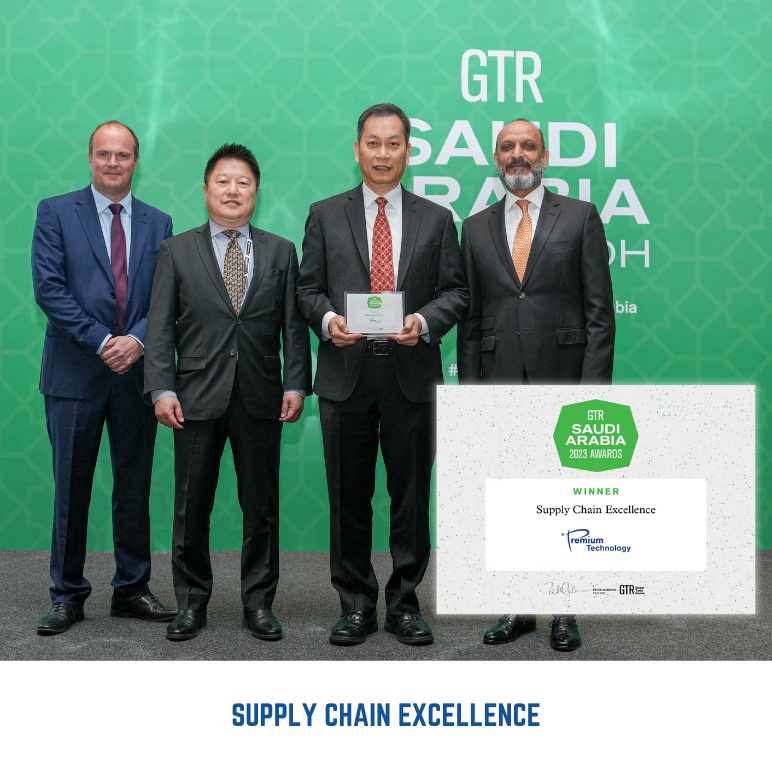
Implementing premium technology solutions in a business environment requires a strategic approach to ensure successful integration and sustained performance. Proper implementation not only enhances operational efficiency but also supports long-term reliability, which is essential for the growth and adaptability of any organization.Ongoing support and maintenance form the backbone of technology solutions, guaranteeing that systems remain effective and up-to-date. Without consistent support, even the most advanced technology can become obsolete, leading to inefficiencies and potential downtimes.
Ensuring that staff is well-trained and equipped to handle new solutions is critical for maximizing their benefits.
Step-by-Step Guide for Implementing Premium Technology Solutions
An effective implementation process consists of several key stages that guide businesses toward successful integration of technology solutions. Each stage plays a vital role in ensuring that the technology aligns with business goals and user needs.
- Assessment: Evaluate current technology infrastructure and identify specific needs and gaps that the new solutions will address.
- Selection: Choose the appropriate technology solutions that meet the identified needs, considering factors such as scalability, compatibility, and vendor reliability.
- Planning: Develop a comprehensive implementation plan outlining timelines, responsibilities, and resources required for the deployment of the technology.
- Customization: Tailor the technology solutions to fit the unique requirements of the business, ensuring seamless integration with existing systems.
- Deployment: Execute the rollout of the technology solutions, including hardware installation and software configuration.
- Testing: Conduct thorough testing to verify that the technology functions correctly and meets user expectations before going live.
- Launch: Officially launch the technology solutions, providing access to users and initiating operations.
- Feedback: Gather user feedback to identify any issues and areas for improvement in the technology solutions.
Importance of Ongoing Support and Maintenance
To maintain the long-term reliability of technology solutions, businesses must invest in ongoing support and maintenance. Regular updates, troubleshooting, and system enhancements are crucial to prevent obsolescence and ensure optimal performance.
“An investment in technology is only as good as the support that follows.”
Effective support includes proactive monitoring, timely updates, and quick responses to technical issues. This commitment not only enhances user satisfaction but also fosters confidence in the technology.
Framework for Training Staff to Use New Technology Solutions
Training staff to effectively utilize new technology solutions is essential for maximizing the return on investment. A robust training framework includes several components to ensure comprehensive understanding and competency.
- Needs Analysis: Assess the current skill levels of employees and determine specific training needs based on the technology being implemented.
- Training Materials: Develop user-friendly training materials that cover the essential features and functionalities of the new technology.
- Delivery Method: Choose appropriate training delivery methods, including in-person workshops, online modules, or hands-on training sessions, to cater to different learning styles.
- Practice Sessions: Provide opportunities for staff to practice using the technology in a controlled environment before full deployment.
- Evaluation: Implement assessments to gauge the effectiveness of training and make adjustments as necessary to improve outcomes.
- Ongoing Learning: Encourage continuous learning through refresher courses and updates as the technology evolves.
Common Queries
What are premium technology solutions?
Premium technology solutions are advanced tools and systems designed to deliver superior performance, reliability, and innovation compared to standard offerings.
Why is long-term performance important?
Long-term performance ensures that technology investments provide consistent value over time, reducing the need for frequent replacements and upgrades.
How can I assess the reliability of a technology solution?
Reliability can be assessed through performance metrics, customer reviews, and vendor reputation, along with case studies showcasing successful implementations.
What factors contribute to sustained performance?
Factors include quality of materials, ongoing support and maintenance, and the adaptability of the technology to evolving needs.
Are there hidden costs associated with cheaper alternatives?
Yes, cheaper alternatives may involve higher maintenance costs, lower performance, and shorter lifespans, ultimately leading to greater expenses over time.