Shop High End Technology Products With Verified Seller And Authentic Guarantee invites you to explore the world of cutting-edge technology that enhances your life. As we navigate through the abundance of options available, it’s crucial to understand the significance of investing in high-quality tech products. These premium items not only boost productivity but also ensure that you stay ahead in today’s fast-paced digital landscape.
In an era where technology is intertwined with daily activities, having reliable and efficient tools can make all the difference. From powerful computers that facilitate seamless work processes to innovative gadgets that enhance leisure, high-end technology products transform various industries, making them indispensable for professionals and enthusiasts alike.
Importance of High-End Technology Products
Investing in high-end technology products is not just a trend but a vital component for success in today's fast-paced, innovation-driven market. These premium devices and systems offer unparalleled performance, reliability, and features that can significantly enhance user experience and productivity. Whether for personal or business use, high-end technology products often come with a host of benefits that can lead to better outcomes and efficiency.The impact of premium technology on productivity and efficiency is profound.
High-end products are designed with advanced features that streamline processes, reduce downtime, and optimize performance. For example, a high-end laptop equipped with the latest processors and graphics capabilities can handle complex tasks seamlessly, enabling professionals to complete their work faster and more efficiently. Industries such as engineering, filmmaking, and software development frequently rely on high-quality technology to meet the demands of intricate projects, showcasing the critical role that premium technology plays in achieving excellence.
Benefits of Investing in High-End Technology
Investing in high-end technology products provides numerous advantages that justify their premium price tags. These benefits include enhanced performance, longevity, and better support services, among others. The following points illustrate why high-end technology is essential:
- Superior Performance: High-end technology often incorporates the latest advancements, offering faster processing speeds and improved functionality that standard products simply cannot match.
- Increased Longevity: Premium products are typically built with higher quality materials and superior engineering, ensuring they last longer and operate more efficiently over time.
- Enhanced User Experience: The design and user interface of high-end technology are often meticulously crafted to provide a more intuitive and enjoyable experience, leading to higher satisfaction.
- Advanced Features: High-end devices come with exclusive features that are not available in standard models, such as enhanced graphics capabilities, superior battery life, and advanced connectivity options.
- Better Support Services: Premium technology products usually include extensive customer support, including warranties and dedicated service options, ensuring users can quickly resolve any issues.
“Investing in high-end technology is not merely a purchase; it’s an investment in efficiency, productivity, and future readiness.”
Industries such as healthcare benefit immensely from high-end technology, with advanced imaging systems and diagnostic tools allowing for more accurate and timely patient care. The entertainment industry utilizes cutting-edge production technologies to create visually stunning content, while financial services rely on high-performance computing for real-time data analysis and trading. By incorporating high-end technology into their operations, these sectors illustrate the transformative power of premium products in driving innovation and success.
Identifying Verified Sellers
In the competitive landscape of high-end technology products, ensuring that you're purchasing from a verified seller is crucial. Verified sellers provide an assurance of product authenticity, quality, and reliability. This section Artikels the key criteria for identifying verified sellers, helping you make informed purchasing decisions that safeguard your investment.To effectively determine if a seller is verified, consider the following essential criteria:
Criteria for Seller Verification
When evaluating a seller's credibility, it's important to assess various factors that confirm their legitimacy and reliability. Here are some critical points to consider:
- Established Reputation: A verified seller often has a long-standing presence in the market, backed by a solid track record of transactions.
- Customer Service: Look for sellers who offer responsive and helpful customer service, indicating commitment to customer satisfaction.
- Return Policy: A clear and reasonable return policy reflects a seller's confidence in the quality of their products.
- Secure Payment Options: Verified sellers provide secure payment methods, ensuring the safety of your financial information.
The importance of these criteria cannot be overstated, as they significantly reduce the risk of fraudulent transactions and guarantee a more satisfactory shopping experience.
Seller Credibility Research Checklist
To further assist in your quest for verified sellers, here is a checklist that Artikels key steps you can take to research seller credibility:
- Check for Certification: Verify if the seller is recognized by industry standards or regulatory bodies.
- Research Online Reviews: Read customer reviews and ratings on multiple platforms to gauge overall satisfaction.
- Investigate Seller History: Look into how long the seller has been operating and their history of transactions.
- Contact Information: Ensure the seller provides valid contact information and is reachable for inquiries.
Utilizing this checklist can greatly increase your chances of choosing a reliable seller when seeking high-end technology products.
Significance of Seller Ratings and Reviews
Seller ratings and reviews play a pivotal role in the decision-making process for buyers. They serve as a reflection of the seller's credibility and the quality of their offerings. High ratings often indicate a strong track record of customer satisfaction, while detailed reviews provide insights into the experiences of past customers.
"The best predictor of future performance is past performance."
Research shows that consumers are more likely to trust sellers with a significant number of positive reviews compared to those with few or no reviews. It's essential to analyze both the quantity and quality of reviews, paying attention to any recurring themes or issues that may arise. This analysis not only protects your investment but also enhances your overall shopping experience, ensuring you find the right high-end technology products from verified sellers.
Understanding Authentic Guarantees
When purchasing high-end technology products, understanding authentic guarantees is essential to ensure that your investment is protected. An authentic guarantee provides assurance that a product will meet specific performance standards and that the buyer will receive support in case of any issues. This section will delve into what constitutes an authentic guarantee, how it differs from warranties, and methods to verify its authenticity.
Components of an Authentic Guarantee
An authentic guarantee typically includes several key components that inform the consumer about what is covered and the duration of coverage. This assurance builds trust between the seller and buyer, ensuring a smooth transaction. The components often include:
- Coverage Details: A clear explanation of what the guarantee includes, such as repairs, replacements, or refunds.
- Duration: The specific time frame during which the guarantee is valid, often expressed in months or years.
- Conditions: Any specific conditions that must be met for the guarantee to be honored, such as proper usage and maintenance of the product.
- Process for Claims: Instructions on how to file a claim, including necessary documentation and contact information for support.
Differences Between Warranties and Guarantees
While often used interchangeably, warranties and guarantees serve distinct purposes in the realm of consumer protection. Understanding these differences can empower buyers to make informed decisions.
- Warranties: Legally binding agreements that provide repair or replacement services for specific issues that arise within a set period. Warranties often cover manufacturing defects but may exclude other types of damages.
- Guarantees: Typically a promise from the seller regarding the performance or quality of a product. Guarantees are not always legally binding and can often be more flexible, providing customers with peace of mind beyond mere repairs.
“An authentic guarantee transcends the limitations of a warranty, offering unmatched assurance to discerning consumers.”
Verifying the Authenticity of Product Guarantees
To ensure that a guarantee is legitimate, consumers should take proactive steps to verify its authenticity. This process protects against fraudulent claims and enhances the overall shopping experience.
- Check Documentation: Always request and retain official guarantee documents at the time of purchase. Look for clear branding and detailed terms.
- Contact the Seller: Reach out to the seller directly to confirm the guarantee’s validity. Authentic sellers will provide clear and helpful information regarding their guarantees.
- Research the Brand: Investigate the brand’s reputation and history. Reputable brands are more likely to offer genuine guarantees, while lesser-known brands may present risks.
- Use Verification Tools: Some manufacturers provide online tools where consumers can enter serial numbers or purchase details to confirm product authenticity and associated guarantees.
“A thorough verification process shields you from potential pitfalls, ensuring that your high-end technology purchase is backed by reliable support.”
Shopping Tips for High-End Technology Products
When investing in high-end technology, it's crucial to approach the shopping experience with a strategic mindset. The right purchase can greatly enhance your lifestyle, productivity, or entertainment, but informed decisions are essential to avoid common pitfalls. This section provides essential tips to navigate the landscape of high-end technology products effectively.
Essential Factors to Consider Before Purchasing
Before making a purchase, certain factors can significantly influence the quality and satisfaction of your investment. Here’s a list of critical considerations that should guide your decision-making:
- Specifications: Assess the technical specifications of the product. Ensure they meet your requirements for performance, compatibility, and future-proofing.
- Brand Reputation: Research the brand's history, customer service reviews, and product quality to ensure reliability.
- Warranty and Support: Understand the warranty terms and the support available should issues arise after purchase.
- Customer Reviews: Read user feedback and ratings to gauge real-world performance and satisfaction.
- Return Policy: Check the seller’s return policy to safeguard against buyer's remorse.
Comparison of Various Platforms for Buying High-End Technology
Different platforms offer distinct advantages when it comes to purchasing high-end technology products. Here’s how they stack up against each other:
| Platform Type | Advantages | Disadvantages |
|---|---|---|
| Manufacturer Websites | Direct access to the latest models and exclusive offers; often comes with better warranty terms. | Limited product availability and potentially higher prices. |
| Authorized Retailers | Wider selection, often with competitive pricing; knowledgeable staff can offer assistance. | Prices may vary; less frequent promotions compared to online marketplaces. |
| Online Marketplaces | Extensive product variety and pricing options; easy price comparisons. | Risk of counterfeit products; variable seller reliability. |
Advantages of Buying Directly from Manufacturers Versus Retailers
Understanding the benefits of purchasing directly from manufacturers can enhance your shopping experience. Here are the key advantages:
- Better Pricing: Manufacturers may offer lower prices during promotional periods or provide discounts not available through third-party retailers.
- Latest Technology: Access to the newest product releases and cutting-edge technology directly from the source.
- Exclusive Features: Some manufacturers provide product configurations that are not available through retailers.
- Enhanced Customer Support: Direct contact with the manufacturer can lead to improved service and support regarding product usage and troubleshooting.
Customer Support and After-Sales Service
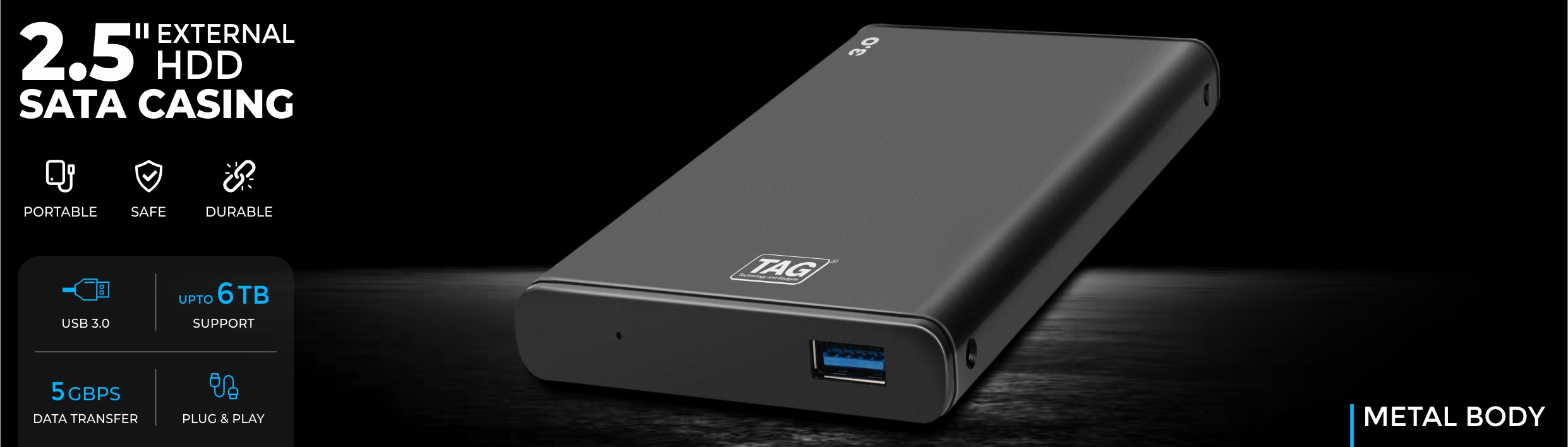
In the world of high-end technology products, customer support and after-sales service play crucial roles in enhancing the overall shopping experience. With the complexity and value of these items, having access to reliable support can make a significant difference. Buyers should prioritize vendors that offer strong customer support systems, as this ensures they can get assistance whenever needed, leading to greater satisfaction and confidence in their purchases.A comprehensive after-sales service includes various essential elements that buyers should be aware of.
These aspects often dictate the longevity of the product usage and overall customer satisfaction. Key elements to consider are responsive communication, warranty coverage, and repair services.
Key Aspects of Customer Support
Understanding the importance of robust customer support can significantly influence the purchasing decision for high-end technology products. Buyers should look for the following aspects to ensure they receive quality service:
- Accessibility: It is crucial for customers to have easy access to customer support, whether through phone, email, chat, or social media. Quick response times can greatly enhance customer experience.
- Product Knowledge: Support representatives should have in-depth knowledge about the products they assist with, ensuring they can effectively address any issues or questions.
- Return Policies: A clear and fair return policy can provide peace of mind, allowing customers to return products if they do not meet expectations.
- Technical Support: For high-end technology items, having a dedicated technical support team becomes essential to troubleshoot and resolve product-related issues.
"Excellent customer service transforms a great product into an unforgettable experience." – Tech Enthusiast
Importance of After-Sales Service
After-sales service is fundamental in ensuring customer satisfaction and fostering long-term relationships with clients. Buyers should focus on the following components when evaluating after-sales support:
- Warranty Services: A robust warranty can protect buyers from unforeseen defects and provide confidence in the product’s quality.
- Repair and Maintenance: Availability of repair services is crucial for high-end technology products; customers appreciate vendors who offer timely and effective maintenance support.
- Customer Education: Providing tutorials or user guides can empower customers, enabling them to utilize their products to the fullest and enhancing their overall experience.
"Satisfied customers often become loyal advocates, which is invaluable in the tech market." – Retail Analyst
Real-Life Testimonials
Customer experiences can be illuminating when it comes to understanding the value of customer support. Many users have shared positive stories highlighting effective customer service:
- Responsive Support: One customer shared how a quick response from a brand's support team helped resolve a software issue within hours, allowing them to continue using their device without interruption.
- Warranty Excellence: A user praised a tech company for honoring their warranty without hassle, which not only resolved their problem but also built their trust in the brand.
- Educational Resources: A customer mentioned how the availability of comprehensive online tutorials greatly enhanced their understanding and usage of a complex gadget, leading to a more satisfying experience.
Trends in High-End Technology Products
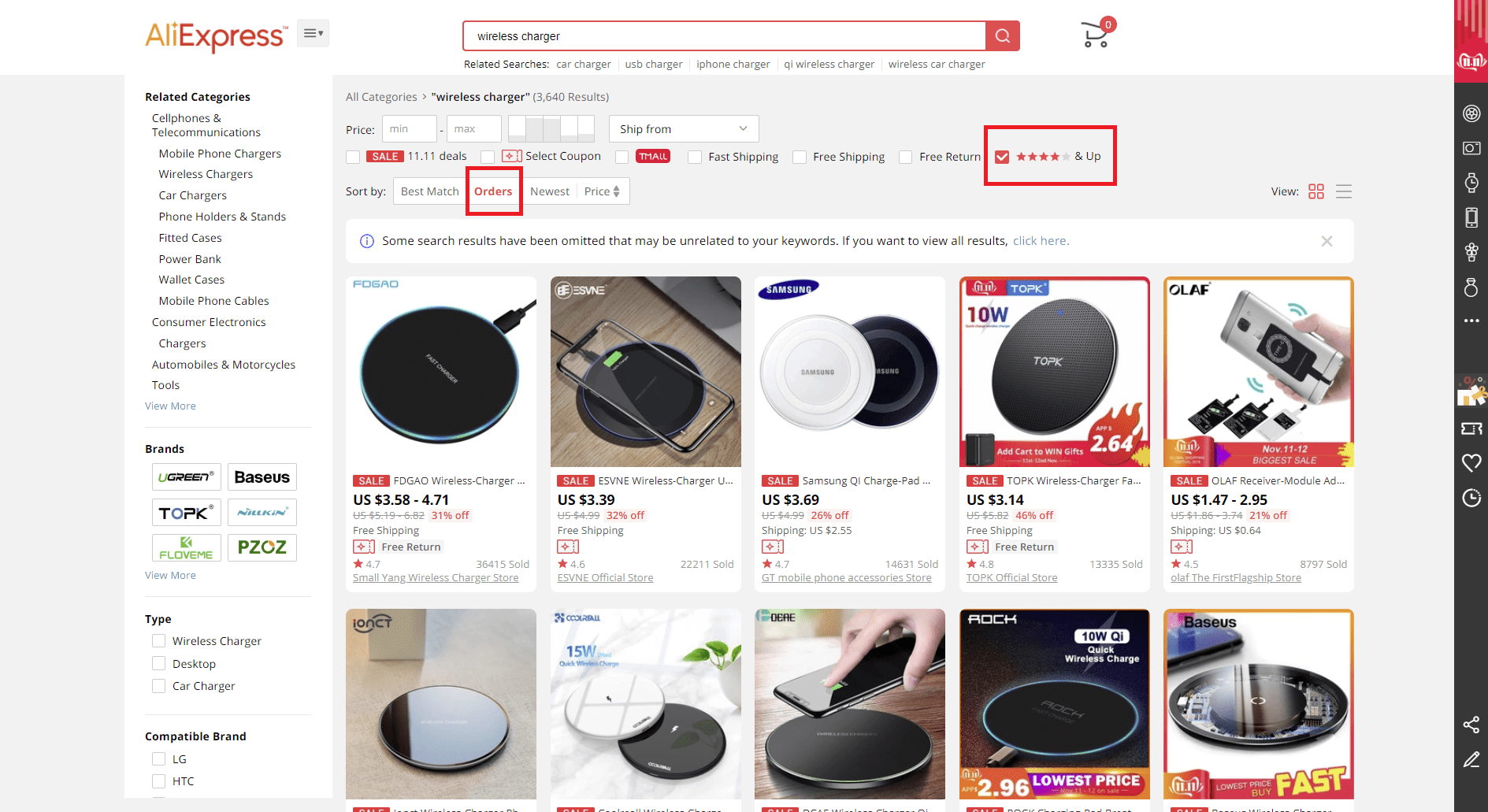
The landscape of high-end technology products is constantly evolving, driven by advancements in innovation and shifts in consumer preferences. As technology continues to advance at a rapid pace, understanding emerging trends is essential for consumers looking to invest in premium products that not only meet their needs but also enhance their lifestyles. Innovation in technology has a profound impact on consumer choices, shaping what is available on the market and how users interact with these products.
The rise of smart devices, artificial intelligence, and sustainability initiatives are just a few examples of how innovation is influencing buying behavior. High-end technology products are now more than just functional items; they are seen as essential lifestyle tools that reflect personal values and sophistication.
Emerging Trends
Several key trends are shaping the high-end technology market, each reflecting a broader shift in consumer expectations and capabilities.
- Smart Home Integration: High-end technology products are increasingly designed to integrate seamlessly into smart home ecosystems. Devices such as smart speakers, security systems, and home automation tools are becoming essential components of modern living spaces.
- Artificial Intelligence Innovation: AI is revolutionizing how consumers interact with technology. From personalized recommendations in smart TVs to advanced features in smartphones, AI is enhancing user experience and product functionality.
- Sustainability in Technology: With growing environmental concerns, brands are prioritizing sustainable practices. Products made from recyclable materials or those that promote energy efficiency are becoming a top choice for eco-conscious consumers.
- Augmented and Virtual Reality: High-end products are increasingly incorporating AR and VR technologies, offering immersive experiences in gaming, training, and even shopping, thus changing how consumers engage with digital content.
- Health and Wellness Tech: Advanced wearables and health monitoring devices are on the rise, catering to consumers’ desires for better health management and fitness tracking. Brands are innovating to offer features that go beyond basic tracking, integrating more comprehensive health data.
“The future of high-end technology is not just about features; it’s about creating meaningful experiences that resonate with consumers.”
Impact of Innovation on Consumer Choices
Innovation drives consumers to seek out products that not only meet their functional needs but also enhance their lifestyle and personal identity. As brands introduce cutting-edge technologies, consumers are increasingly compelled to invest in these high-end products to stay ahead of trends. For instance, the introduction of 5G connectivity has transformed the smartphone market, with users now prioritizing devices that support this technology for faster internet speeds and enhanced streaming quality.
Companies that successfully leverage innovation in their product offerings often see an increase in brand loyalty and customer satisfaction, as consumers appreciate the added value and functionality.
Predictions for Future Advancements
Looking ahead, several advancements are expected to further shape the high-end technology landscape.
- Enhanced Connectivity: The rollout of next-generation wireless technology will pave the way for smarter, more interconnected devices, enabling seamless communication between gadgets.
- Personalization through AI: Future high-end products will likely offer even more personalized experiences, using AI algorithms to adapt features based on individual user behavior and preferences.
- Advanced Cybersecurity Measures: As technology becomes more integrated into daily life, the demand for high-end products with robust cybersecurity features will increase, ensuring user data remains protected.
- Integration of Quantum Computing: The potential of quantum computing could revolutionize industries by providing unprecedented processing power, opening the door for innovative applications in various fields.
- Seamless Augmentation of Reality: The next generation of AR and VR technologies will likely become more accessible, leading to broader adoption in sectors such as education, entertainment, and retail.
Sustainability and High-End Technology
In today's world, the intersection of sustainability and technology is more prominent than ever. High-end technology products not only offer advanced features and exceptional performance but also increasingly prioritize environmental responsibility. As consumers become more aware of their ecological footprint, the demand for sustainable products has surged, pushing leading brands to adopt greener practices.Sustainability in high-end technology encompasses several key aspects, including the materials used in production, energy efficiency, and the overall lifecycle impact of the products.
Manufacturers are now focusing on creating devices that minimize waste, reduce carbon emissions, and utilize renewable resources. By adopting sustainable practices, companies not only contribute to environmental well-being but also enhance their brand value and customer loyalty.
Identifying Environmentally-Friendly Technology Products
Recognizing eco-friendly technology products requires awareness of specific indicators that signify sustainable practices. Several factors can help consumers make informed decisions when choosing high-end technology products.The following are critical criteria to consider when identifying environmentally-friendly technology:
- Materials Used: Look for products made from recycled or sustainably sourced materials. Brands often highlight these aspects in their marketing and product descriptions.
- Energy Efficiency: Products that have energy-efficient ratings, such as Energy Star certification, indicate lower energy consumption and reduced operational impact on the environment.
- Life Cycle Assessment: Examine the environmental impact of a product throughout its lifecycle, including production, usage, and disposal. Brands committed to sustainability often provide transparency concerning their lifecycle analysis.
- Minimal Packaging: Eco-conscious brands minimize packaging waste by using recyclable or biodegradable materials, which reflects their commitment to reducing environmental impact.
- Repairability and Upgradability: Products designed for easy repairs and upgrades extend the lifecycle and reduce electronic waste, making them a greener choice.
Sustainable practices are increasingly adopted by leading brands in the tech industry. Companies like Apple, Dell, and HP are recognized for their commitment to sustainability, implementing strategies focused on renewable energy, responsible sourcing, and stringent recycling programs. For instance, Apple has made significant strides in transitioning its supply chain to 100% renewable energy, showcasing its dedication to reducing its carbon footprint.
By choosing high-end technology products from these environmentally-conscious brands, consumers can support sustainable innovation while enjoying cutting-edge technology.
Pricing Strategies for High-End Technology

In the competitive landscape of high-end technology products, pricing strategies play a critical role in defining market positioning and value perception. The price of high-end technology items is influenced by various factors, including product features, brand reputation, production costs, and market demand. Understanding these dynamics can empower consumers to make informed purchasing decisions while enabling sellers to effectively position their products.Pricing in the high-end technology market is influenced by a multitude of factors.
These include the cost of materials, research and development expenditures, and the level of innovation incorporated into the product. Additionally, brand prestige, market trends, and consumer preferences play a significant role in determining pricing strategies. Sellers often adopt different pricing models to appeal to various segments of the market.
Factors Influencing Pricing
Several key factors contribute to the pricing strategies employed by sellers of high-end technology products. Understanding these factors can provide insights into how prices are set and adjusted in this dynamic market.
- Brand Value: Established brands often command higher prices due to their reputation for quality and innovation. For example, Apple and Samsung consistently set premium prices for their flagship devices, reflecting their strong brand equity.
- Production Costs: High-quality materials and advanced manufacturing techniques contribute to higher production costs, which are typically passed on to consumers. For instance, premium laptops that utilize cutting-edge technology tend to have higher price tags.
- Market Demand: Products that address emerging consumer needs or trends can command premium prices. For example, demand for smart home devices has surged, allowing manufacturers to price these products at a premium.
- Competitive Landscape: Pricing strategies are often adjusted based on competitors' pricing. Sellers may choose to position their products as more affordable alternatives or as luxury items, depending on their target market.
Comparative Pricing Models
An analysis of pricing models among different sellers highlights the diversity of strategies used in the high-end technology market.
| Seller | Product | Price | Pricing Model |
|---|---|---|---|
| Apple | iPhone 15 Pro | $999 | Premium Pricing |
| Samsung | Galaxy S23 Ultra | $1,199 | Competitive Pricing |
| Pixel 7 Pro | $899 | Value-Based Pricing | |
| Dell | XPS 15 | $1,499 | Cost-Plus Pricing |
This table illustrates how different companies utilize distinct pricing models to attract various consumer segments. By understanding these models, consumers can make educated choices when comparing similar products from different sellers.
Negotiation and Discounts
Finding the best price on high-end technology products can often involve negotiation and strategic shopping. Many sellers are open to price negotiations, especially in a competitive market.
- Research Pricing: Familiarize yourself with the average market price for the product you want. Websites that compare prices can provide valuable insights.
- Look for Bundled Deals: Sellers often offer discounts when products are purchased as part of a bundle. For instance, buying a laptop with accessories can lead to significant savings.
- Timing Purchases: Consider shopping during major sales events, such as Black Friday or Cyber Monday, when high-end technology products are often discounted.
- Utilize Loyalty Programs: Many retailers have loyalty programs that offer discounts or rewards for repeat customers. Joining these programs can lead to savings on future purchases.
By employing these tips, consumers can enhance their chances of securing better pricing on high-end technology products while ensuring they receive quality and value from verified sellers.
FAQ Resource
Why should I invest in high-end technology products?
Investing in high-end technology products ensures better performance, durability, and advanced features that enhance productivity and overall user experience.
How can I identify a verified seller?
Look for seller ratings, reviews, and verification badges on reputable platforms to ensure credibility and trustworthiness.
What is the difference between a warranty and an authentic guarantee?
A warranty typically covers repairs or replacements for a specified period, while an authentic guarantee assures quality and performance for the product’s lifespan.
What should I consider when purchasing high-end technology?
Consider factors like product specifications, seller reputation, after-sales support, and pricing before making a purchase.
Are there environmentally-friendly high-end technology products?
Yes, many brands focus on sustainability by using eco-friendly materials and processes, making it easier to find high-end products that are also environmentally responsible.