Methods for assessing student learning beyond standardized tests? opens the door to innovative evaluation strategies that move beyond traditional measures of knowledge. As educators seek to understand the diverse abilities and talents of their students, alternative assessment methods become essential tools in the learning journey. By embracing formative assessments, portfolios, and self-evaluations, we can create a more holistic view of student achievement, allowing for tailored educational experiences that inspire growth and motivation.
In today’s dynamic educational landscape, it's imperative to explore various assessment techniques that not only gauge student performance but also foster critical thinking and collaboration. Techniques such as peer assessment, observational assessments, and technology-enhanced evaluations allow educators to grasp each student's unique learning style and potential. Let’s dive deeper into the transformative power of these methods and how they can reshape the future of student assessment.
Alternative Assessment Methods
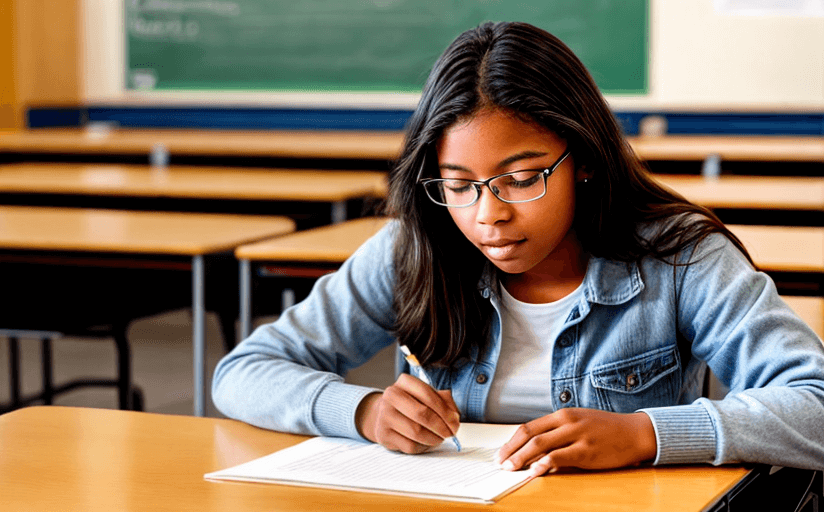
In today's educational landscape, assessing student learning goes beyond traditional standardized tests. Alternative assessment methods provide a more comprehensive view of a student's abilities, skills, and knowledge. These methods emphasize critical thinking, creativity, and real-world application of knowledge, allowing educators to tailor their assessments to meet diverse learning needs.One of the key advantages of alternative assessments is their ability to capture the complex nature of learning.
Traditional tests often focus on rote memorization, while alternative methods encourage deeper engagement with the material. This shift allows educators to gather more meaningful data about a student's progress and understanding.
Formative Assessments and Performance Tasks
Formative assessments and performance tasks are integral to understanding student learning in a dynamic environment. These assessments provide ongoing feedback, helping students reflect on their performance and understand their learning journey.Formative assessments can include a variety of strategies that allow teachers to gauge student understanding throughout the learning process. Examples include:
Quizzes with immediate feedback that helps identify areas for improvement.
Exit tickets where students summarize what they've learned at the end of a lesson.
Peer reviews where students assess each other's work, fostering collaborative learning.
Performance tasks require students to demonstrate their knowledge and skills in practical, real-world scenarios. These tasks often culminate in a project or presentation that showcases a student's learning. Examples include:
Science experiments where students formulate hypotheses, conduct tests, and present their findings.
Research projects that involve investigating a topic, synthesizing information, and creating a presentation.
Artistic creations or performances that express learning through creative mediums, such as theater or visual arts.
The benefits of these alternative assessments are significant. They encourage active engagement, foster critical thinking, and provide valuable insights into a student's understanding. Additionally, they help educators identify specific areas where students may need additional support, ensuring a more personalized learning experience.
Project-Based Learning as an Assessment Tool
Project-based learning (PBL) stands out as an effective assessment tool that blends learning with assessment seamlessly. In PBL, students investigate real-world problems and develop solutions through projects that require critical thinking, collaboration, and creativity.Projects often culminate in a tangible outcome, such as a presentation, product, or exhibition. For instance, students might work together to design a sustainable garden, presenting their plans and findings to the community.
This not only assesses their understanding of various subjects, such as biology and environmental science but also develops essential skills like teamwork and communication.The advantages of using PBL as an assessment method include:
Enhanced engagement, as students work on topics they find relevant and stimulating.
Promotion of deeper learning, encouraging students to apply concepts in practical contexts.
Development of a portfolio of work that showcases a student’s capabilities and growth over time.
Through project-based learning, educators can create a dynamic assessment environment that reflects the multifaceted nature of student learning, preparing them for future challenges in a rapidly changing world.
Portfolio Assessment
Portfolio assessment is a dynamic and comprehensive method of evaluating student learning that goes beyond traditional testing formats. It involves the systematic collection of student work that demonstrates their learning achievements over time. Portfolios not only showcase a student’s capabilities but also reflect their growth, creativity, and understanding of subject matter. This approach encourages self-directed learning, critical thinking, and personal reflection, providing a holistic view of a student's abilities and progress.A student portfolio typically consists of several key components that together represent the learner's experiences and accomplishments.
These components may include:
Work Samples: A variety of assignments, projects, and tests that highlight the student’s skills and knowledge.
Reflections: Written or recorded thoughts from the student about their learning experiences and personal growth.
Goals and Objectives: A statement of the student’s learning goals and how they plan to achieve them.
Teacher Feedback: Comments and evaluations from educators that provide insight into the student’s performance and areas for improvement.
Self-Assessment: An evaluation by the student regarding their own work, understanding, and progress.
Evaluating a portfolio requires a clear understanding of the criteria that will be used to assess the quality and depth of the contents. Important criteria to consider include:
Quality of Work: The level of creativity, effort, and understanding demonstrated in the work samples.
Diversity of Content: The range of work included, showcasing different skills and subject areas.
Reflection Depth: The thoughtfulness and insightfulness of student reflections regarding their learning journey.
Goal Attainment: Evidence of progress towards the goals set by the student at the beginning of the portfolio process.
Presentation Quality: The organization and visual appeal of the portfolio, which can impact the overall impression it makes.
Incorporating student reflections into portfolio assessments is essential for fostering deeper learning and self-awareness. Reflections allow students to articulate their thoughts and feelings about the learning process, providing valuable insights into their development. Effective strategies for integrating reflections include:
Guided Prompts: Providing specific questions or topics for students to reflect upon can help them think critically about their work and experiences.
Reflection Journals: Encouraging students to maintain a journal where they regularly document their learning experiences and thoughts can deepen their reflective practice.
Peer Review Sessions: Involving peers in the reflection process allows for constructive feedback and shared insights, enhancing the learning experience.
Regular Check-ins: Scheduling periodic reflections throughout the portfolio development process keeps students engaged and focused on their growth.
Video Reflections: Allowing students to create video recordings of their reflections can make the process more engaging and personal.
Portfolio assessments promote a deeper understanding of student learning, encouraging self-reflection and personal growth.
Peer Assessment
Peer assessment is a powerful tool in the educational landscape, fostering an environment of collaboration and self-reflection among students. It offers learners the opportunity to engage deeply with their peers' work, promoting a culture of accountability and shared responsibility for learning outcomes. By evaluating each other's contributions, students not only enhance their understanding of the subject matter but also develop critical thinking and interpersonal skills that are essential in both academic and real-world settings.The implementation of peer assessment can be seamless and effective when approached strategically.
Teachers can create structured opportunities for students to engage in this practice, ensuring that both the assessment and the feedback processes are constructive. Effective peer assessment encourages students to take ownership of their learning while cultivating a supportive classroom environment.
Strategies for Implementing Peer Assessment
To successfully integrate peer assessment in the classroom, educators can adopt several strategies that promote an effective and enriching experience for all students. These strategies facilitate a structured approach, ensuring that the process is clear and beneficial.
Establish Clear Objectives: Define the specific goals of the peer assessment activity, including the skills and competencies to be evaluated. This clarity helps students understand the purpose and importance of their contributions.
Provide Training on Feedback Techniques: Equip students with the necessary skills to provide constructive feedback. This can include workshops or discussions on what constitutes helpful criticism versus unhelpful comments.
Create Assessment Rubrics: Develop detailed rubrics that Artikel the criteria for assessment. Rubrics serve as a guide for students, providing a clear framework for evaluating peers’ work and ensuring consistency in feedback.
Encourage Reflection: After the assessment process, prompt students to reflect on the feedback they received and how they can apply it to improve their work. This reflection reinforces the learning process and encourages self-improvement.
Foster a Safe Environment: Cultivate a classroom atmosphere where students feel comfortable expressing their thoughts. Emphasizing respect and support is crucial for successful peer assessment.
Framework for Providing Constructive Feedback, Methods for assessing student learning beyond standardized tests?
Creating a structured framework for delivering constructive feedback is vital for maximizing the benefits of peer assessment. A thoughtful approach ensures that feedback is not only informative but also encourages growth and improvement.
Effective feedback should be specific, actionable, and focused on behaviors rather than personal attributes.
Start with Positive Observations: Encourage students to begin their feedback with positive comments about the work. This approach builds confidence and shows appreciation for the effort put in by their peers.
Be Specific and Objective: Feedback should provide specific examples from the work being assessed. Instead of vague comments, students should cite particular instances that illustrate their points.
Offer Suggestions for Improvement: Constructive criticism should include practical suggestions for how peers can enhance their work. This empowers students to see feedback as a pathway to success.
Encourage Dialogue: Allow students to engage in discussions about their feedback. This interaction can deepen understanding and clarify any misconceptions.
Follow-Up: Revisit the feedback process after a period to assess improvements and ongoing challenges. This reinforces the importance of continuous learning and adaptation.
Self-Assessment Techniques
Self-assessment techniques empower students to take control of their learning journey by reflecting on their performance and identifying areas for improvement. These methods cultivate a sense of ownership and responsibility, encouraging learners to become active participants in their educational experiences. By integrating self-assessment into the classroom, educators can foster a more engaged and motivated student body.Effective self-assessment encourages students to reflect on their strengths and weaknesses.
This process can be supported through various tools and rubrics designed to guide students in evaluating their work and progress. Self-assessment not only enhances metacognitive skills but also boosts students' confidence in their abilities, leading to increased motivation and personal investment in their learning.
Methods for Encouraging Self-Assessment
Implementing self-assessment techniques requires thoughtful strategies that support students in developing their evaluative skills. Here are several effective methods:
Reflective Journals: Encouraging students to maintain reflective journals allows them to document their learning experiences, thoughts, and feelings about their progress. This practice promotes continuous self-reflection and helps students articulate their learning goals.
Goal-Setting Workshops: Organizing workshops where students set personal academic and personal development goals can motivate them to assess their progress regularly. This goal-oriented approach enhances accountability.
Checklists and Rating Scales: Providing students with structured checklists or rating scales enables them to evaluate their work against predefined criteria. This method clarifies expectations and simplifies the assessment process.
Guided Peer Reviews: Facilitating peer review sessions where students assess each other's work allows them to engage in constructive criticism. This collaborative approach also helps them to recognize strengths in their own work.
Tools and Rubrics for Self-Evaluation
Utilizing specific tools and rubrics can significantly enhance the self-assessment process. Here are some examples that can aid in effective self-evaluation:
Rubrics: Clearly defined rubrics Artikel performance expectations across various criteria. By using rubrics, students can objectively assess their work and identify areas needing improvement.
Self-Assessment Surveys: Surveys that prompt students to respond to specific questions about their learning can provide valuable insights into their understanding and areas for growth.
Digital Portfolios: Creating digital portfolios allows students to showcase their work over time. They can reflect on their learning journey, identify patterns, and assess their growth as learners.
Video Reflections: Students can record themselves discussing their work and thought processes. Watching these videos can provide insights into their learning and facilitate deeper self-reflection.
Impact of Self-Assessment on Student Motivation and Ownership of Learning
Self-assessment has a profound impact on student motivation and ownership of learning. By engaging in self-evaluation, students become more aware of their learning processes and outcomes, fostering intrinsic motivation. The ability to set personal goals and track progress encourages a growth mindset, where students view challenges as opportunities for development.
The more students assess themselves, the more they take charge of their learning journey, leading to enhanced engagement and achievement.
Additionally, self-assessment promotes self-efficacy, as students recognize their capabilities and areas for improvement. This empowerment can transform their educational experience, making them proactive learners who are invested in their own success. By valuing the process of self-assessment, educators can cultivate a classroom culture that champions growth, resilience, and lifelong learning.
Observational Assessment
Observational assessment is a powerful tool in educational settings, providing educators with insights into student learning that go beyond what standardized tests can reveal. This method involves systematically observing students in their natural learning environments, allowing teachers to gain a deeper understanding of learners' behaviors, interactions, and overall engagement with the material.Conducting structured observations is essential for effectively implementing observational assessments.
In diverse learning environments, it is crucial to develop clear protocols that Artikel what to observe and how to analyze those observations. This helps ensure consistency and reliability in the assessment process, regardless of the setting.
Approaches for Conducting Structured Observations
Implementing structured observations requires careful planning and execution. Here are some key approaches to consider:
Define Clear Objectives: Establish specific learning goals that guide what you will observe. For example, if the objective is to enhance collaboration skills, focus on group interactions and communication patterns among students.
Use Standardized Observation Tools: Employ checklists or rubrics designed for specific competencies. These tools help quantify observations and ensure a comprehensive assessment of student behaviors and skills.
Conduct Observations in Various Contexts: Observe students during different activities—such as group work, independent tasks, and class discussions—to capture a well-rounded view of their abilities and progress.
Record Observations Systematically: Take detailed notes during observations, focusing on specific behaviors and interactions. This can be done using forms designed to capture key information efficiently.
Engage in Reflective Practice: After conducting observations, reflect on the gathered data to identify patterns and insights that inform instruction and support individual student needs.
Indicators of Student Progress During Observations
Identifying specific indicators during observations can help educators gauge student progress effectively. Consider the following examples of what to look for during observations:
Engagement Levels: Notice how actively students participate in discussions and activities. High engagement indicates a strong connection to the material.
Collaboration Skills: Observe how students work together in group settings. Look for evidence of mutual respect, contribution, and problem-solving.
Application of Knowledge: Assess how well students apply learned concepts in real-time activities, such as projects or hands-on experiments.
Adaptability: Watch for students' ability to adjust their strategies when faced with challenges or unexpected changes in tasks.
Peer Interactions: Evaluate the quality of interactions between students, including their ability to provide constructive feedback and support one another.
"Observational assessment provides invaluable insights into the nuances of student learning, allowing educators to tailor their approaches effectively."
Technology-Enhanced Assessments
In today's digital age, the landscape of student assessment is rapidly evolving through technology-enhanced methods. Utilizing digital tools not only streamlines the assessment process but also engages students in innovative ways, catering to diverse learning styles. These technology-driven assessments provide a dynamic platform for educators to evaluate student learning effectively and creatively.Among the various digital tools available, several software applications stand out for their ability to facilitate creative assessments.
These tools enable educators to design assessments that are not only educational but also interactive, promoting critical thinking and collaboration among students.
Digital Tools for Assessing Student Learning
The integration of digital tools into assessment practices can significantly enrich the learning experience. The following software options have gained popularity in educational settings, providing educators with the means to implement engaging assessments:
Google Forms: A versatile tool that allows for the creation of surveys and quizzes, Google Forms makes it easy for educators to collect student responses in real-time, facilitating immediate feedback.
Kahoot!: This game-based learning platform turns assessments into interactive quizzes, encouraging competition and collaboration while maintaining student engagement.
Edmodo: A social learning platform that enables teachers to deliver quizzes and assignments, track student progress, and foster a collaborative learning environment.
Nearpod: An interactive presentation tool that allows educators to incorporate quizzes, polls, and simulations into their lessons, enriching the assessment experience.
Flipgrid: A video discussion platform that allows students to create and share video responses to prompts, promoting self-expression and creativity in assessments.
Gamification is another powerful strategy that enhances the student assessment experience. By integrating game-like elements into assessments, educators can create a more engaging and motivating environment for learners.
Gamification in Student Assessment
Gamification involves applying game design principles in non-game contexts, such as education. This innovative approach transforms traditional assessments into exciting challenges that captivate students’ attention. Examples of gamification in assessments include:
Points and Badges: Assigning points for completing tasks or achieving milestones can motivate students to engage more deeply with their learning.
Leaderboards: Displaying student progress on leaderboards fosters healthy competition, encouraging students to perform at their best.
Interactive Challenges: Incorporating quests or challenges that require critical thinking and problem-solving enhances student engagement and retention of knowledge.
Storytelling Elements: Framing assessments within a narrative context can make learning more relatable and enjoyable, effectively capturing students' imaginations.
Through technology-enhanced assessments, educators can unlock new dimensions of student learning, promoting a more interactive and personalized educational experience. These methods not only provide valuable insights into student understanding but also foster a passion for learning that extends beyond traditional classroom walls.
Authentic Assessment
Authentic assessment is a powerful tool in education that emphasizes real-world relevance and practical application of knowledge and skills. Unlike traditional testing methods that often prioritize rote memorization, authentic assessments allow students to demonstrate their understanding through meaningful tasks that mirror real-life experiences. This approach not only engages students but also prepares them for challenges they will face beyond the classroom.Authentic assessments are characterized by their focus on complex tasks that require students to apply their knowledge in practical settings.
These assessments aim to evaluate students on their ability to integrate skills, knowledge, and critical thinking to solve problems. The importance of authentic assessment lies in its capacity to provide a more accurate picture of a student's abilities and understanding, fostering a deeper learning experience.
Real-World Tasks for Assessment
Incorporating real-world tasks into assessment strategies is essential for creating an engaging and effective learning environment. These tasks should reflect authentic challenges students may encounter in their future careers or daily lives. Here are some exemplary tasks that can be utilized in authentic assessment:
Project-Based Learning: Students undertake a project that requires them to research, collaborate, and present findings on a complex topic, such as developing a sustainable community plan.
Case Studies: Students analyze real-life scenarios relevant to their field of study, such as evaluating a company’s marketing strategy and proposing enhancements based on their analysis.
Service Learning: Students engage in community service projects that address local issues, requiring them to reflect on their experiences and the impact of their work.
Simulations: Students participate in simulations that mimic real-life situations, such as mock trials for law students or healthcare simulations for medical students.
Alignment with Curricular Goals
Aligning authentic assessments with curricular goals is crucial for ensuring that students meet learning objectives while engaging in practical applications of their education. This alignment involves integrating the key competencies and content standards within the assessment design. To effectively align authentic assessments with curricular goals, consider the following strategies:
Identify Learning Outcomes: Clearly define what students should know and be able to do by the end of the course, ensuring that these outcomes guide the development of assessments.
Incorporate Interdisciplinary Approaches: Create assessments that draw from multiple subject areas, fostering connections between disciplines and reflecting the interconnectedness of real-world scenarios.
Utilize Rubrics: Develop detailed rubrics that Artikel expectations for students, providing clear criteria for success and facilitating self-assessment and peer feedback.
Provide Ongoing Feedback: Implement a system of continuous feedback throughout the assessment process, allowing students to improve their work and deepen their understanding before final evaluations.
Authentic assessment transforms the learning experience by connecting classroom knowledge with real-world application, ultimately enriching the educational journey.
Collaborative Assessments
Collaborative assessments are a powerful tool for enhancing student learning by promoting teamwork and collective problem-solving skills. These assessments encourage students to work together, share diverse perspectives, and develop interpersonal skills crucial for their future academic and professional endeavors. By focusing on collaboration, educators can cultivate a classroom environment that values communication, responsibility, and mutual respect.Collaborative assessments are designed to not only evaluate group dynamics but also to ensure that individual contributions are recognized.
This section delves into effective strategies for creating meaningful group assessments that reflect each student's efforts while maintaining a fair grading system.
Benefits of Collaborative Assessments in Fostering Teamwork
Collaborative assessments significantly enhance students' ability to work in teams. Through such assessments, students learn to communicate effectively, negotiate ideas, and resolve conflicts. The following points highlight the key benefits of collaborative assessments in promoting teamwork:
Enhanced Communication Skills: Working in groups encourages open dialogue, allowing students to express their thoughts and ideas clearly.
Increased Engagement: Collaborative tasks promote active participation, leading to a deeper understanding of the subject matter.
Diverse Perspectives: Students are exposed to different viewpoints, fostering critical thinking and creativity.
Shared Responsibility: Group work encourages accountability, as each member contributes to the success of the project.
Preparation for Real-World Scenarios: Many careers require teamwork; collaborative assessments mirror those environments, enhancing readiness for future challenges.
Designing Group Assessments that Reflect Individual Contributions
To ensure that group assessments accurately reflect individual contributions, educators can implement the following methods:
Clearly Defined Roles: Assign specific roles to each group member based on their strengths, allowing for clear accountability and contribution.
Individual Reflection Components: Include reflective essays or personal assessments as part of the project submission, enabling students to articulate their learning experience.
Peer Evaluations: Implement peer assessment forms where students can evaluate each other's contributions, promoting an understanding of team dynamics and accountability.
Progress Check-ins: Schedule regular meetings to assess group progress, allowing instructors to observe contributions and provide formative feedback.
Grading Collaborative Projects While Maintaining Fairness
Grading collaborative projects can be challenging, but fairness can be achieved through structured evaluation methods. The following strategies help educators maintain equity in grading:
Rubric Development: Create a detailed rubric that Artikels specific criteria for both group and individual contributions, ensuring transparency in the grading process.
Individual Accountability: Factor in individual reflections and peer evaluations in the final grade to account for each student's unique contributions.
Group Performance Assessment: Assess the overall quality of the group project alongside individual contributions to provide a comprehensive evaluation.
Feedback Mechanism: Provide constructive feedback that highlights both strengths and areas for improvement, fostering a growth mindset.
Feedback Mechanisms
Timely and constructive feedback is a cornerstone of the assessment process that significantly enhances student learning. By providing insights into strengths and areas for improvement, feedback serves as a vital tool for guiding student progress and fostering an environment of continuous growth. The effectiveness of feedback hinges not only on its delivery but also on its alignment with learning objectives and the specific needs of each student.In implementing a strategy for delivering feedback that promotes growth, it is essential to ensure that feedback is specific, actionable, and supportive.
This approach enables students to understand exactly what steps they can take to enhance their performance. Collaborative discussions can also play a crucial role in the feedback process, as they engage students in a dialogue about their learning journey.
Timely and Constructive Feedback
Timely feedback is essential for reinforcing the learning process and ensuring that students can apply insights immediately. Constructive feedback focuses on specific behaviors or outcomes rather than personal attributes, thus maintaining a positive learning atmosphere. Effective feedback should be:
Specific: Clearly address what was done well and what could be improved.
Actionable: Provide clear steps or strategies for improvement, enabling students to take ownership of their learning.
Encouraging: Highlight strengths to motivate students while providing guidance on areas for growth.
Facilitating student-teacher conferences focused on assessment can enhance the feedback mechanism significantly. These conferences allow for deeper conversations about student progress, challenges, and successes.
Facilitating Student-Teacher Conferences
Creating a structured environment for student-teacher conferences can transform feedback into a collaborative experience. The following strategies can enhance these conferences:
Set Clear Objectives: Establish the purpose of the conference, focusing on assessment outcomes and individual growth.
Prepare Students: Encourage students to reflect on their performance and come prepared with questions or topics for discussion.
Use Data Effectively: Leverage assessment data to guide the conversation, providing concrete examples of student work.
Encourage Goal Setting: Collaboratively set realistic and achievable goals for future learning, ensuring students are active participants in the process.
Implementing these strategies fosters an environment where feedback is perceived as a valuable component of learning. It cultivates an atmosphere of trust and collaboration, ultimately leading to improved student outcomes.
Cultural Considerations in Assessment
Cultural backgrounds play a significant role in shaping students' learning experiences and assessment outcomes. Understanding these influences is crucial for educators aiming to create equitable assessment strategies. By recognizing the diverse cultural contexts of students, educators can implement assessment practices that not only measure learning effectively but also promote inclusivity and respect for diversity.Cultural considerations in assessment ensure that evaluations reflect the varied perspectives and experiences of all students.
Acknowledging cultural differences helps educators avoid bias and facilitates a more accurate understanding of student learning. Strategies for creating inclusive assessments include adapting traditional evaluation methods to accommodate different cultural norms, values, and communication styles. By doing so, schools can foster an environment where every student feels valued and understood, ultimately enhancing their learning potential.
Influence of Cultural Backgrounds on Assessment Practices
Cultural backgrounds can significantly influence how students perceive assessments and perform on them. Factors such as language, traditions, and educational experiences shape students' approaches to learning and evaluation. These influences often manifest in the following ways:
Language Proficiency: Students from non-native language backgrounds may struggle with assessments that rely heavily on language comprehension, affecting their ability to demonstrate knowledge.
Cultural Norms: Some cultures emphasize collaboration over individual performance, which can create challenges in assessments that prioritize individual achievement.
Diverse Learning Styles: Cultural backgrounds can influence learning preferences and styles, making standardized assessments less effective in measuring true understanding.
Strategies for Creating Inclusive Assessments
To foster inclusivity in assessments, educators can implement various strategies that honor and respect cultural diversity. These strategies enhance equity and ensure that all students have the opportunity to succeed.
Use Culturally Relevant Content: Incorporate materials and examples that reflect the cultural backgrounds of students, making assessments more relatable and engaging.
Offer Multiple Assessment Formats: Provide options for students to demonstrate their knowledge through different formats, such as presentations, projects, or written assignments.
Incorporate Collaborative Assessments: Encourage group work that allows students to draw on their unique cultural perspectives, fostering teamwork and collective learning.
Examples of Culturally Responsive Assessment Methods
Culturally responsive assessment methods actively engage students' cultural identities and experiences in the evaluation process. Some effective examples include:
Performance-Based Assessments: Allowing students to showcase their learning through real-life applications or projects that reflect their cultural context.
Student-Led Conferences: Involving students in the assessment process by having them present their work and reflect on their learning journeys, promoting ownership and pride in their cultural background.
Storytelling Assessments: Utilizing storytelling as a means for students to express their knowledge and understanding, which resonates with many cultures that value oral traditions.
"Inclusive assessment practices not only enhance learning outcomes but also enrich the educational experience for all students, fostering an environment of respect and understanding."
Clarifying Questions: Methods For Assessing Student Learning Beyond Standardized Tests?
What are the benefits of alternative assessments?
Alternative assessments provide a more comprehensive understanding of student learning, catering to diverse learning styles and promoting critical thinking skills.
How can technology enhance student assessments?
Technology can facilitate interactive and engaging assessments through tools like gamification, enabling educators to create creative and meaningful evaluation experiences.
What role does feedback play in student assessments?
Timely and constructive feedback is crucial in the assessment process as it helps students understand their strengths and areas for improvement, fostering growth and development.
How can cultural considerations impact assessment practices?
Cultural backgrounds can influence how assessments are perceived and performed; therefore, creating inclusive assessments that respect diversity is essential for equitable evaluation.
What is the significance of self-assessment in learning?
Self-assessment encourages students to reflect on their learning processes, promoting ownership and intrinsic motivation, which can lead to deeper engagement and understanding.